
Start With The Fit You Will Wear For Hours
Comfort starts with how the bag sits on your body. For a festival, you want a belt bag that stays close without digging into your waist or hips when you are standing, walking, dancing, or moving through a crowd. A strap that is too short can pinch, while one that slips all day becomes irritating by lunchtime. Try to picture the bag over a light tee, a hoodie, and even a rain jacket if the weather turns.
Look for an adjustable strap that gives you enough length to wear the bag around the waist or cross-body. Cross-body wear helps spread the weight when you are carrying a phone, cards, sunscreen and a small snack. If you plan to wear it over thicker clothing, make sure the buckle or fastening still closes easily. Small details matter, especially when you are on your feet for 8 hours or more.
- Check that the strap adjusts smoothly and stays in place
- Test whether the bag sits flat on your body when full
- Make sure the buckle or clip is easy to use with one hand
- Confirm the strap length suits both waist and cross-body wear
Choose A Size That Carries The Right Essentials
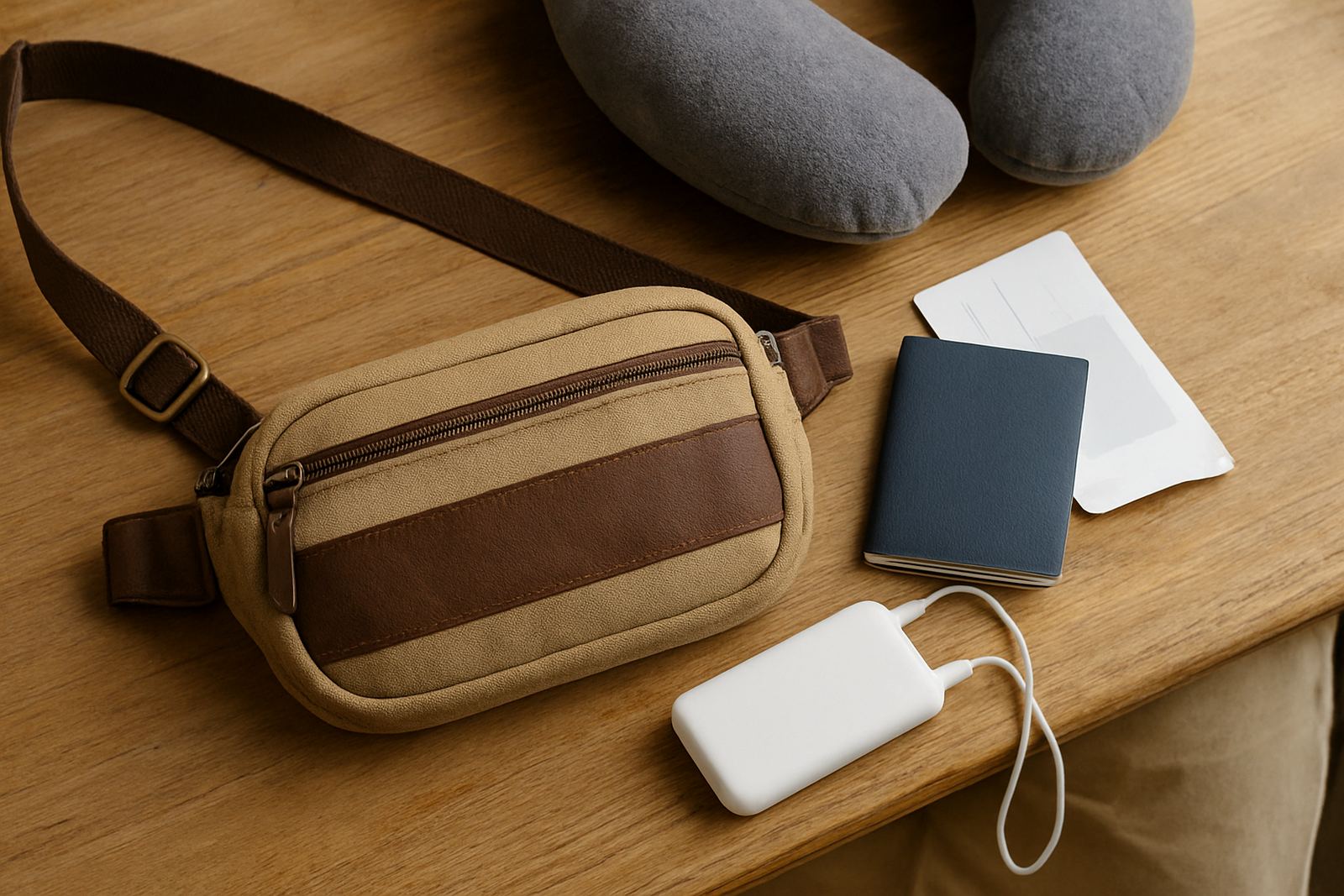
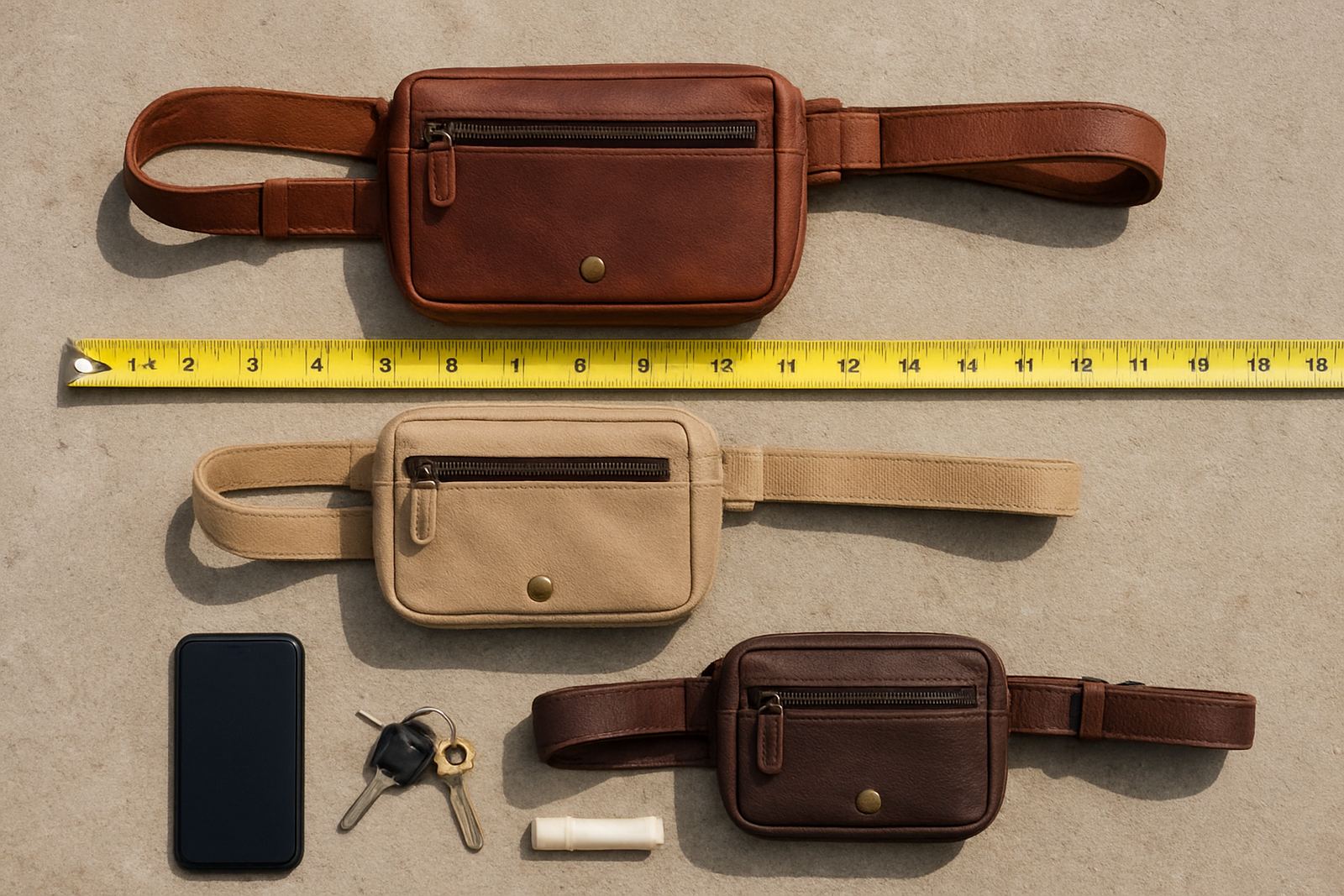
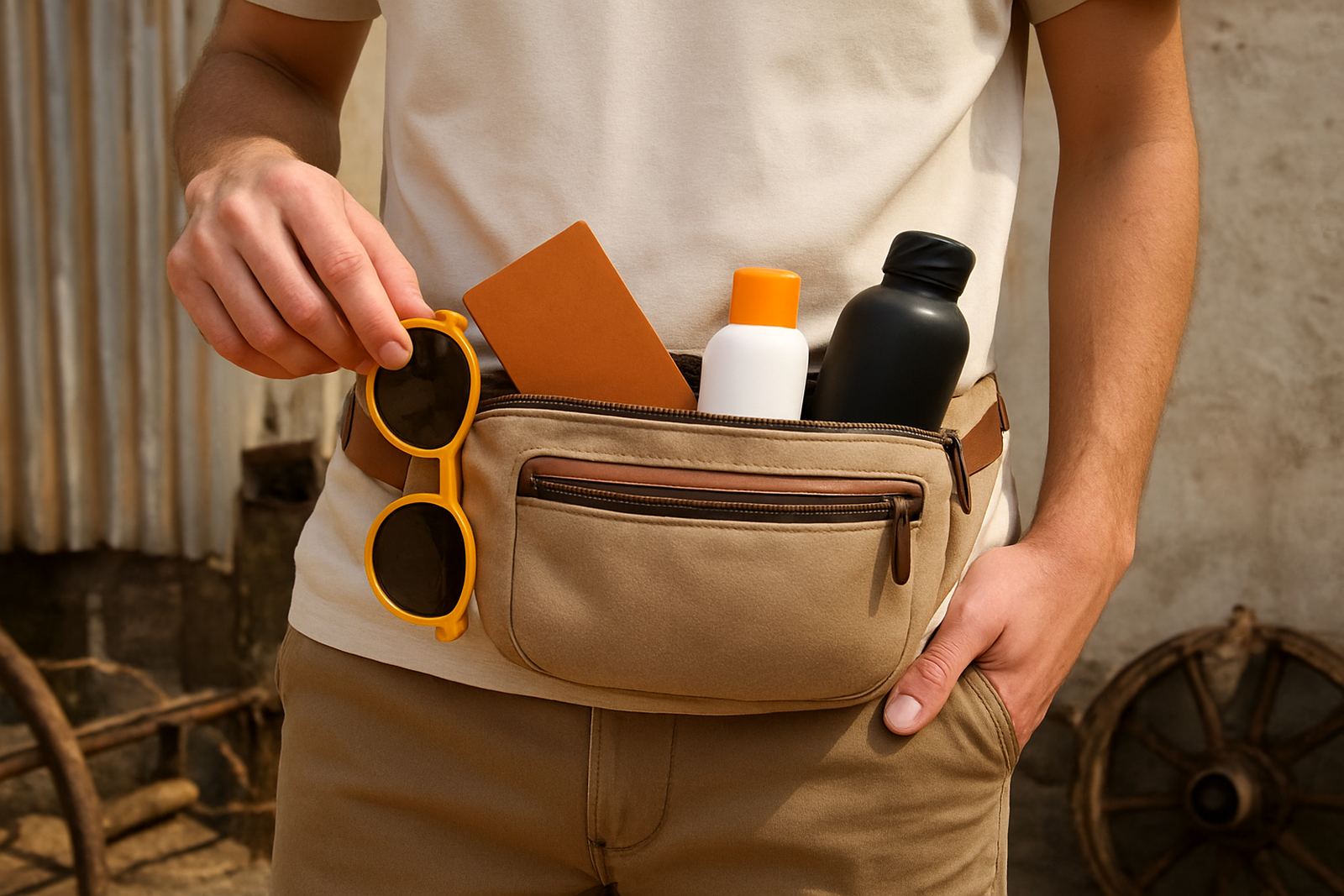
A festival bag should carry what you need, not everything you own. If it is too small, you will keep unpacking it at the gate or at the bar. If it is too large, it can swing about and feel bulky in a crowd. A sensible size usually holds your phone, wallet, lip balm, hand sanitiser, power bank, keys and a folded ticket or permit. That is enough for most day events without weighing you down.
Think about pocket layout as much as the overall size. One main compartment is useful, but a front zip pocket or inner divider can save time when you need your ID fast. For busy events in places like Cape Town, Johannesburg or Durban, easy access matters because queues are long and you do not want to unpack the whole bag just to find one card.
- Main compartment for phone, wallet and small daily items
- Quick access pocket for ID, cards or tickets
- Space for a slim power bank and charging cable
- Enough room for sunscreen, tissues and a small snack
Pick Materials That Suit Heat, Dust And Sudden Rain
South African festival weather can be warm, windy or wet in the same afternoon. Material choice affects comfort and how much care the bag needs afterwards. Leather gives a clean finish and ages well if you keep it dry and treated. Canvas feels lighter and is often easier for casual events, especially when you want a softer bag that does not hold too much heat against the body.
If you will be near the coast, moisture and salty air can be hard on finishes and stitching, so check the seams, lining and zip quality before buying. In dry inland areas dust can work into zips and corners, so it helps to choose a bag that wipes clean easily. A good bag should cope with real use, not just look good in a mirror.
- Leather for a more structured look and long term wear
- Canvas for lighter carry and easy day-to-day use
- Wipe-clean surfaces for dust, spills and rain
- Strong stitching at strap joins and zip ends
Make Sure Security Features Suit Busy Event Spaces
At crowded events, security is part of comfort. You want to keep your valuables close and know they are not slipping out while you move. Zips should close fully and open without sticking. If the bag has outer pockets, check that they are deep enough to hold items safely but not so loose that things can fall out when you bend down. A secure bag lets you enjoy the day without checking it every few minutes.
It also helps to keep your most important items in separate places. Put cards and cash in one pocket, and keep your phone in another. That way you are not opening the main compartment every time you pay for food or show your ticket. For festivals with lots of movement and late finishes, a tidy layout is worth more than extra decoration.
- Full zip closure on the main section
- Pockets that close properly and do not gape open
- Strong zip pullers that are easy to grip
- Layout that separates phone, cards and cash
Check Stitching, Edges And Load Bearing Points
Before buying, look closely at the parts that take the most strain. The strap joins, zip corners and edge binding should be neat and even. If stitching is loose from the start it often gets worse once the bag is loaded and worn repeatedly. A quick inspection now can save you from a broken strap halfway through a festival weekend. That is the sort of problem nobody wants.
Hold the bag and give the strap a gentle pull. Open and close the zip a few times. Feel the lining and check whether the shape holds when the bag has items inside. If the bag sags badly when full, it may become uncomfortable by the end of the day. Good construction should feel steady, not stiff, and not flimsy either.
- Even stitching with no loose threads at stress points
- Reinforced strap joins and corners
- Zip that moves smoothly without catching
- Shape that stays neat when the bag is loaded
Use A Simple Festival Checklist Before You Buy
A quick checklist makes the decision easier, especially when you are choosing between styles or colours. Start with comfort, then storage, then material and finish. If the bag passes all four, it is likely to work well for festivals, weekend travel and regular use back home. Keep your checklist practical and do not get distracted by features you will never use.
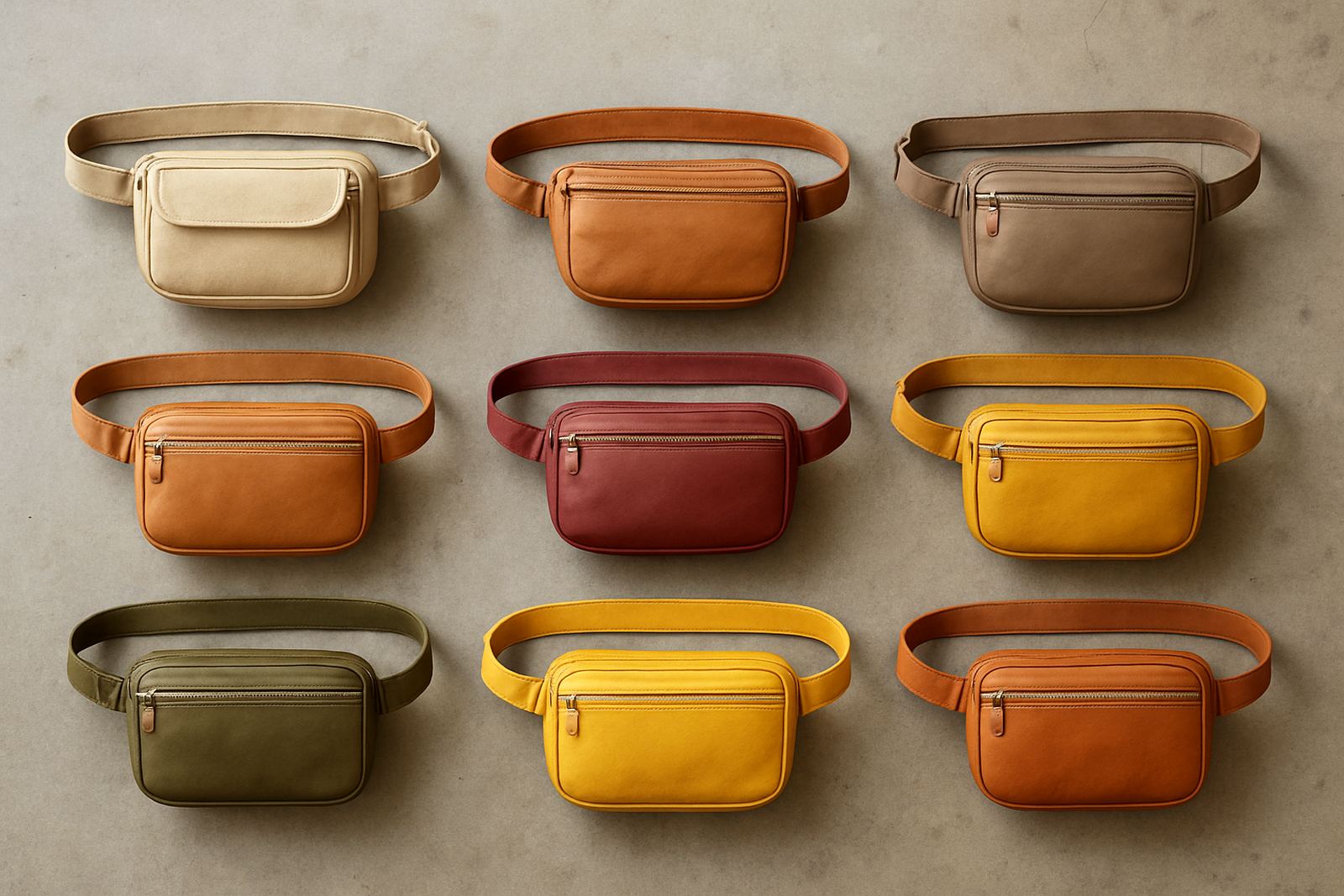
For many people, colour matters too. Dark shades hide dust and scuffs better, while lighter colours can suit daytime events and warmer outfits. Pick something that fits your wardrobe and your habits. If you often carry the same few items, measure them once and compare them with the bag opening before you order.
- Comfort: does it sit well across your waist or chest?
- Capacity: does it hold your daily essentials without bulking up?
- Security: do the zips and pockets keep items safe?
- Care: can you clean it after dust, rain or spills?
- Style: will you keep reaching for it after the festival is over?
When a belt bag gets these basics right, it becomes an easy part of your day rather than something you keep adjusting. That is what makes it useful for long outdoor events, travel days and everyday carry across South Africa.