

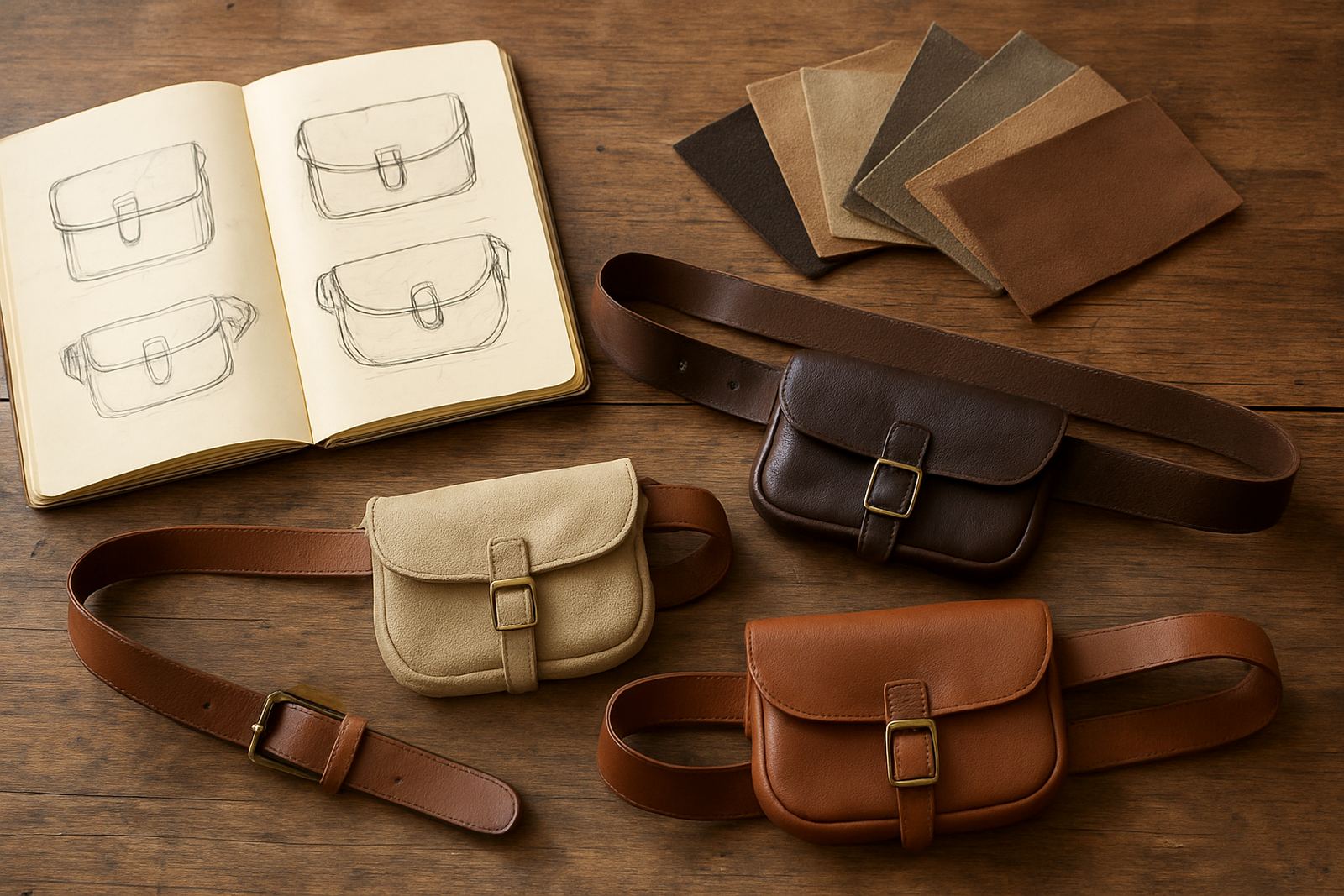
2012: The first belt bags were made in Woodstock
BeltBags started in 2012 in Woodstock, Cape Town, when Luyanda Mbeki began shaping a small run of leather and canvas belt bags for people who wanted hands-free carry without bulky backpacks. The first pieces were made close to the production floor we still use for planning and finishing today, with a focus on sturdy stitching, practical compartments and a fit that sat comfortably at the waist or across the body.
In that first year, the range was modest, but the response from local customers was clear. People wanted something light for markets, train rides, festivals and city errands, with enough room for a phone, wallet, keys and a few daily bits. That feedback set the tone for everything that followed, including how we choose materials and test straps for everyday movement.
2013 to 2015: Building the range and learning from customers
As orders grew, the team began expanding the range with more colours, different leather finishes and canvas options for people who preferred a softer look. These years were about listening carefully. Customers asked for bags that could work in Cape Town wind, Durban humidity and joburg rush hours, and those requests shaped the cut, the lining choices and the hardware we used.
By 2014, the team had also refined the way we handled gift orders and delivery options. That mattered because belt bags were no longer only for personal use. They were being bought for birthdays, graduation gifts and travel plans. The production process became more structured too, so each bag went through a clearer check before dispatch.
- Leather pieces were selected for strength, grain consistency and colour.
- Canvas styles were adjusted for lighter everyday carry and easier care.
- Straps were reviewed for comfort with both short and long wear.
- Zips and stitching were checked before each order left the workshop.
2016 to 2018: From local interest to national orders
By 2016, BeltBags had moved from a small local following to steady orders from other parts of the country. Customers in Johannesburg, Pretoria and Gqeberha started placing more regular orders, while many Cape Town buyers came from Woodstock, Stellenbosch and Somerset West. That wider reach meant the team had to think harder about packaging, delivery timing and the way each bag was protected in transit.
These years also brought more requests for style selection help. Some customers knew exactly what they wanted, while others wanted advice on size, colour and whether leather or canvas would suit their routine best. Megan Jacobs and the customer care team built a practical way of responding, with clear guidance instead of pressure. It became part of the brand’s service culture, and it still is.
In 2018, the production side became more disciplined. Siyabonga Dlamini introduced tighter checks on stitching alignment, zip action and seam finish, which helped reduce avoidable issues and made repairs or exchanges less common. It was not glamourous work, but it mattered a lot to the people wearing the bags every day.
2019 to 2021: More care, more planning, and year-round use
From 2019 onwards, the business focused on making belt bags that could handle all seasons and more varied use. Customers were not only wearing them to festivals. They were using them for school runs, airport travel, walking meetings and quick trips to the shops. That shift encouraged a broader approach to strap fit advice, order tracking help and care support for both leather and canvas.
When load-shedding became part of daily life for many South Africans, the team had to plan production and dispatch carefully. Orders were scheduled with backup steps in mind, so the workshop could keep moving during interruptions and customers could still get reliable updates. It was a practical adjustment, but an important one, especially for people who needed a gift order to arrive on time or wanted a bag before a trip.
- Leather care support was shared for customers in dry inland areas and coastal humidity.
- Canvas care support was added for people who needed easy-clean advice.
- Returns guidance and exchange assistance were written in simpler steps.
- Bulk order help became useful for teams, events and group gifting.
2022 to 2023: A stronger team and clearer service support
As the business matured, the team structure became more defined. Anika van Wyk led design choices, Tebogo Molefe handled sales coordination, and Aphiwe Ndlovu managed dispatch so orders could move through the system with fewer delays. Luyanda continued as Managing Director, keeping the focus on practical design and reliable service rather than chasing short-lived trends.
These two years also saw a stronger emphasis on aftercare. Customers often came back for zip check service, stitching assessment or advice on how to keep a favourite bag in good condition. That kind of support helped build trust. It also reminded the team that a belt bag is not just a fashion item, it is something people use every week and sometimes every day.
During this period, more people in Cape Town started choosing belt bags for events where they wanted to move easily without carrying too much. In other cities, the appeal was more about travel and commuting. Either way, the bag had to hold up to real use, and that remained the standard.
Today: A South African range with a practical point of view
Today, BeltBags serves customers across Cape Town, Johannesburg, Durban, Pretoria and Gqeberha, with steady demand from Woodstock, Stellenbosch and Somerset West too. The range still centres on leather and canvas belt bags, but the service around them has grown into something fuller: advice on fit, care, delivery, returns and bulk orders all form part of the customer experience.
The history of the business is really a history of listening. From the first bag made in 2012 to the present day, every improvement has come from seeing how people actually use their bags. That approach keeps the range grounded. It also means each order is handled with attention to detail, whether it is a single gift or a larger batch for an event or team.
Today’s BeltBags carries the same practical thinking that started in Woodstock, just with a wider reach and a more experienced team behind it. The bags may have changed in style and colour over the years, but the aim stays the same: make something comfortable, useful and worth reaching for again and again.