
Start by cutting the carry, not the comfort
Minimal carry is not about going without. It is about choosing the few items that earn a place in your bag every single day. Most people carry three or four things they rarely use, then wonder why the bag feels heavy by lunchtime. Start by emptying your usual pockets and pouch, then put only the essentials back. If it has not been used in the last week, leave it out for now.
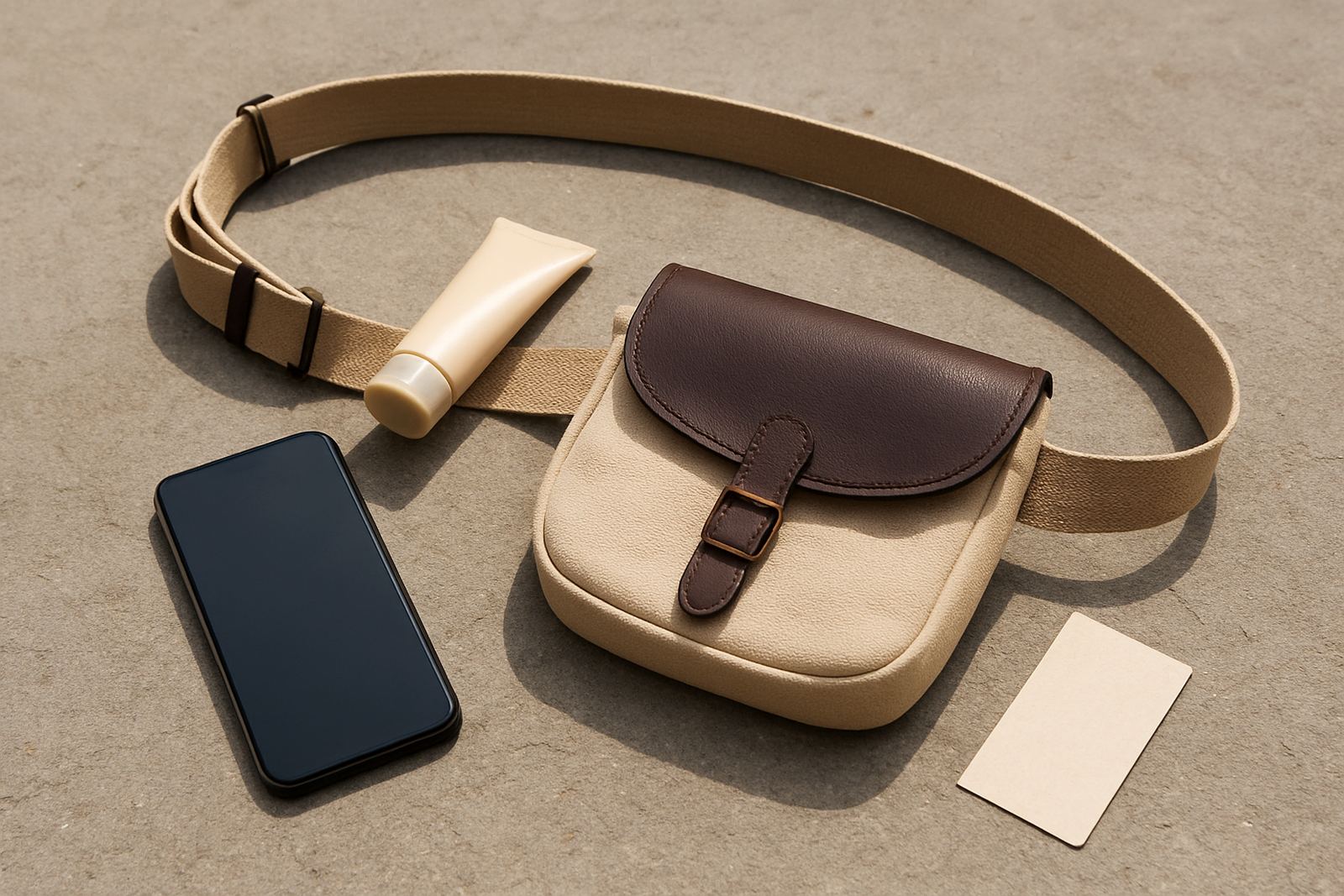
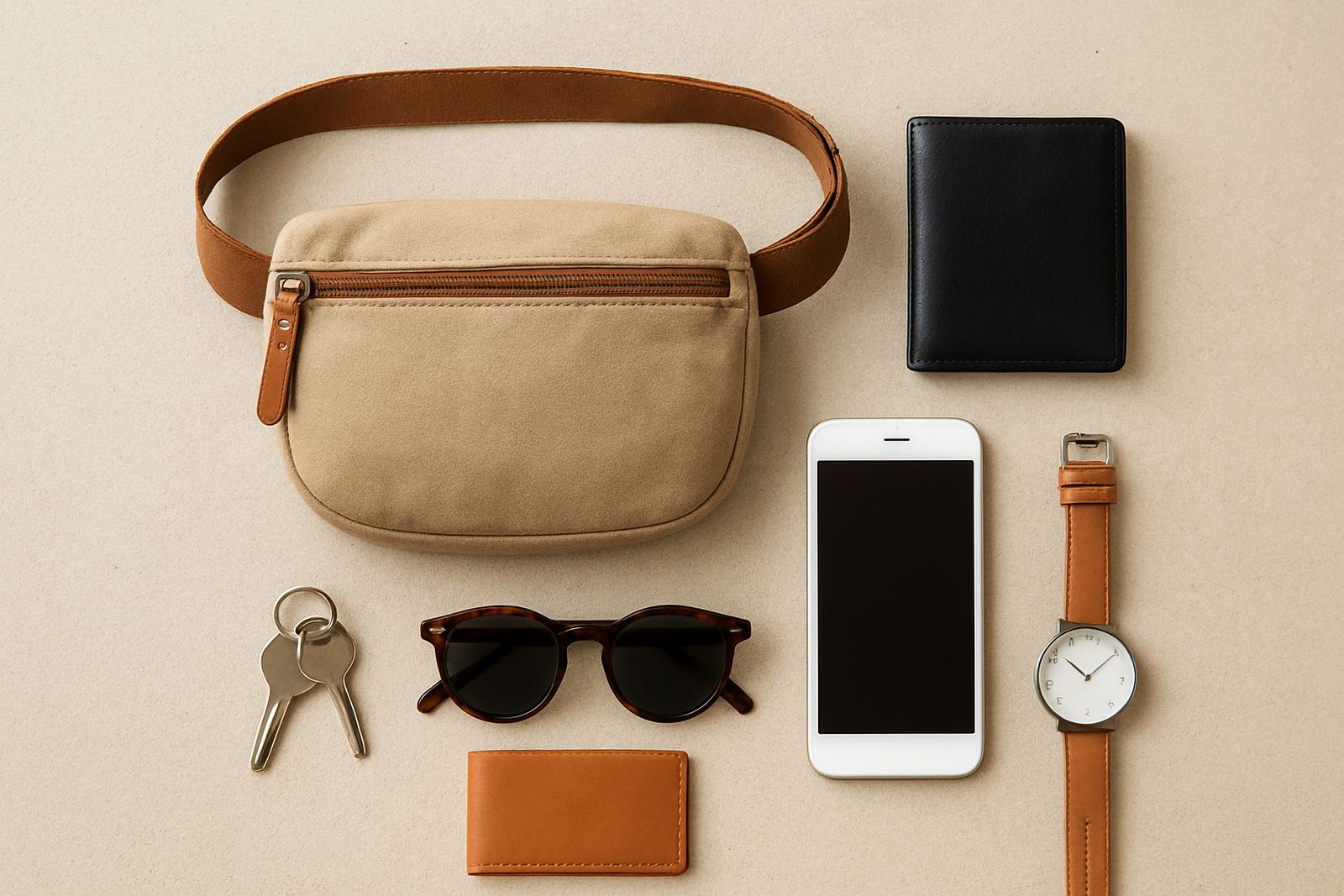
A small belt bag works best when the load is honest. For city travel, a fitted setup usually handles a card wallet, keys, phone and lip balm or hand sanitiser. That is enough for the train, a market run or a quick coffee stop in Woodstock. Once you begin to trust that smaller list, you stop packing for every possible event and start carrying for the day you actually have.
- Keep only the items you use daily, not every now and then.
- Choose one wallet, one key set and one main phone charger at home.
- Move backup items like plasters or spare cords into your car or tote, not your belt bag.
- Check the bag once a week and remove anything that has crept in.
Build a small kit that works from morning to night
The best minimalist carry setup changes slightly with your routine. A person heading from Stellenbosch to a meeting in Cape Town will need something different from someone spending the day at a market, festival or along the promenade in Gqeberha. Think in terms of use, not categories. What you need for a commute is usually the same core kit you need for a lunch run or an evening out.
A leather or canvas belt bag gives enough structure for the basics without sagging. Keep heavier items at the bottom and softer items on top so the bag sits better against the body. If you carry a small power bank, place it flat instead of upright. That simple habit helps with comfort and keeps the shape neat, even when the bag is full. In summer humidity or coastal air, canvas dries quicker after a damp day, while leather benefits from proper care and a dry storage spot at home.
- Phone and one charging cable if you really need it.
- Wallet with card, ID and a small amount of cash.
- Keys on a short clip so they do not scratch other items.
- Small sanitiser, tissues and any medication you use during the day.
Use one bag for more than one part of the day
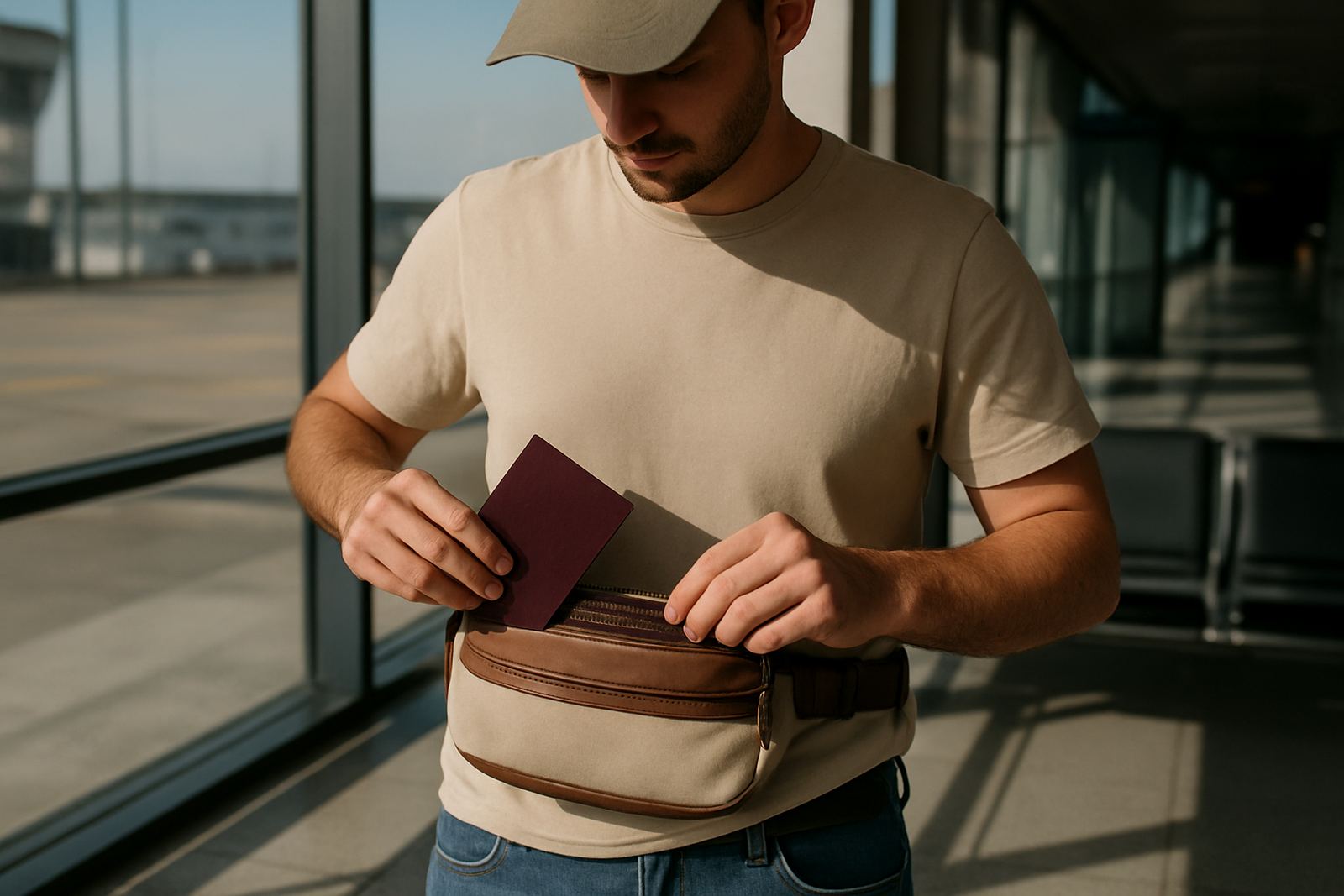
Minimal carry gets easier when the same bag can move from errands to dinner without a repack. That is where a clean shape and practical strap fit matter. A strap that sits too loose can swing around in a queue or on stairs, while one that is too tight becomes annoying by midday. The right fit should feel secure when you bend, walk or get in and out of a taxi.
In South Africa, we often have to plan for a day that changes fast. You may leave home for school drop off, pick up something in town, then head to an outdoor market or a Friday drinks spot. A simple belt bag keeps the carry compact and easy to manage through load-shedding, lifts and crowded walkways. It also cuts down on the habit of shifting items from one bag to another, which is where things go missing.
- Adjust the strap so the bag sits close to your body.
- Use one bag insert or pouch for tiny items instead of loose pockets.
- Choose a colour that works with most of your clothes.
- Keep a small mirror, comb or compact item only if you use it often.
Match the material to your routine and climate
Material choice matters when you want a lighter carry setup that still lasts. Leather gives a neater finish and holds its shape well, which suits daily city wear and smarter outfits. Canvas is lighter, easier to wipe down and often better for busy weekends, school runs or travel days. If you are around the coast, canvas can be a practical option when there is salt in the air and a chance of damp weather. In inland areas, leather may hold up well if you treat it properly and keep it out of harsh sun for long stretches.
Look at the stitching, zip action and lining before deciding. A belt bag with poor stitching can start fraying at the stress points, especially where the strap joins the body of the bag. Zips should open smoothly with one hand. If you are buying for regular use, check whether the inside is easy to clean because small crumbs, dust and makeup do build up over time.
- Leather suits a cleaner, more structured look.
- Canvas suits lighter carry and frequent use.
- Dark colours hide daily marks better.
- Neutral shades work across work and weekend outfits.
Edit your carry for travel, festivals and weekends out
Travel often tempts people to overpack, even for a short day trip. The trick is to separate essentials from nice-to-haves. If you are heading to a festival, put your phone, ID, cash and a portable power bank in the main compartment. Add earplugs or sunscreen only if the event calls for it. For a day visit to Durban or a market in Woodstock, you may need a little more sunscreen and less tech. The idea is to build a small, repeatable list for each type of outing, then stick to it.
When carry gets simpler, you also move through security checks, entrances and parking lots with less fuss. That matters at busy events where you do not want to be unpacking half your life to find your ticket. Keep items grouped in the same order every time. It sounds small, but it saves time and lowers the chance of leaving something behind.
- Festival list: phone, ID, cash, lip balm, sanitiser, earplugs.
- Travel list: ID, card, tickets, charger, medication, small snack.
- Weekend list: wallet, keys, sunglasses, sunscreen, tissues.
- Leave bulky extras at home unless you know you will use them.
Keep the system simple enough to maintain
The best minimalist setup is the one you can keep using on a busy Tuesday, not just when you feel organised. That means making a habit of resetting your bag at the end of the day. Take out receipts, loose coins and old tickets. Wipe the inside if dust or sand has built up. Check the zip, look at the stitching and give the strap a quick once over. If you use leather, a little care now and then helps it keep its finish. If you use canvas, a gentle clean is usually enough to keep it looking tidy.
For many people, the shift to lighter carry starts with one good bag and a stricter eye for what goes in it. Once you know your exact daily load, you stop buying bigger bags out of habit. That makes life easier, keeps your hands freer and gives you a more practical way to move through the day. Lighter carry is not about owning less for the sake of it, its about carrying with intention.
For customers in Cape Town, Johannesburg, Durban, Pretoria and Gqeberha, that often means choosing one bag that can handle errands, commuting and evenings out without needing a full swap every time plans change.