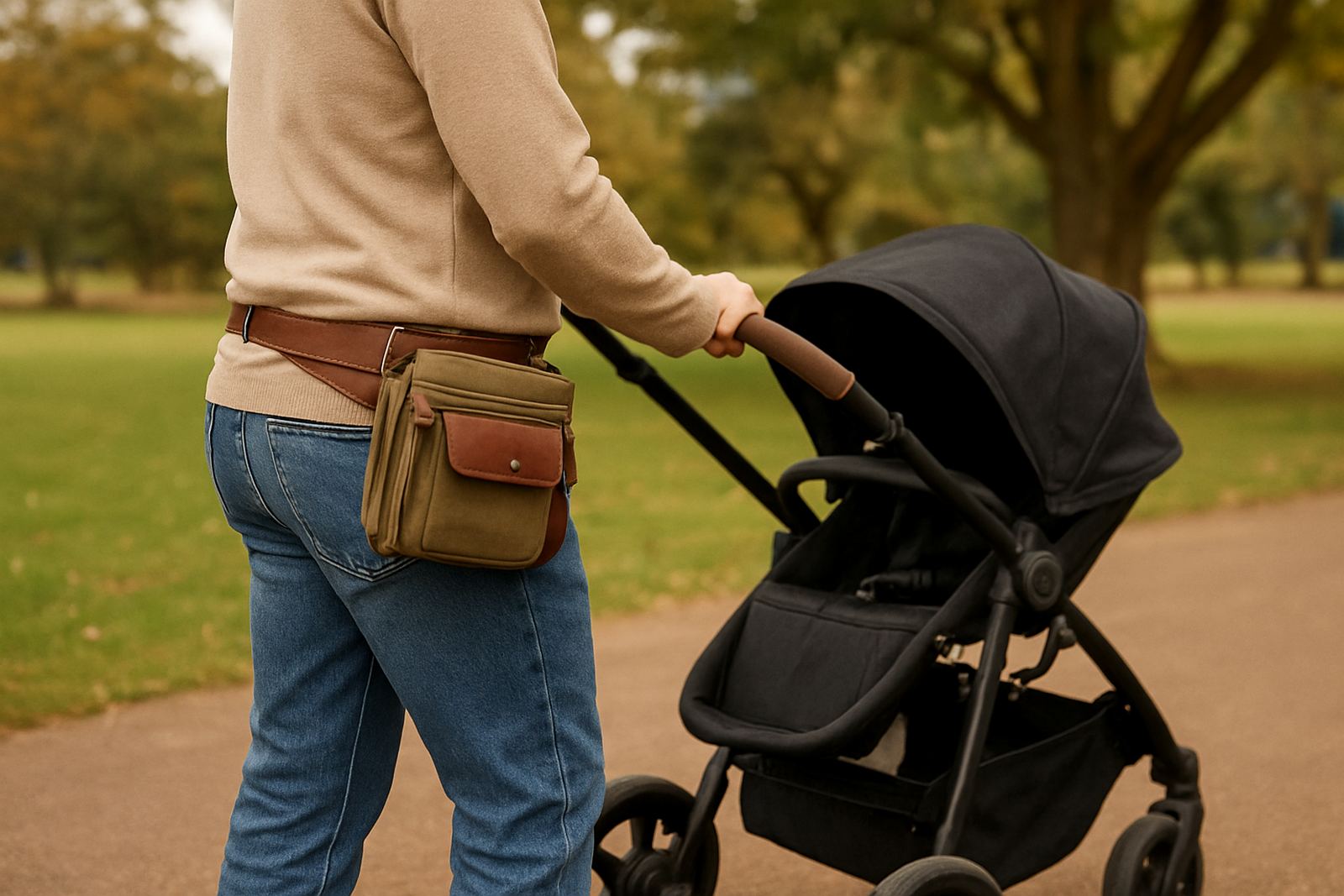


A Commuter Brief from Claremont
This project came from a private client in Claremont, Cape Town who wanted a small belt bag for weekday travel, quick errands and after-work stops. The request was clear from the start: keep it light, keep it tidy, and make it easy to reach without digging through a larger bag on the train or at the taxi rank.
The client wanted a piece that could handle an access card, a slim wallet, keys and a phone without bulging. The style had to be understated enough for office wear, but still practical for weekends in the city. We kept the shape close to the body, with enough structure to hold its form and not flop about when walking between stops.
The setting mattered too. Claremont gets busy early and the client moves between public transport, parking areas and office entrances, so the bag needed a secure zip, a neat strap adjustment and a finish that would not look out of place in a business-casual setting.
What the Bag Needed to Handle
The main constraints were size, access and comfort. A larger belt bag would have carried more, but it would also sit awkwardly at the waist and draw attention in crowded areas. So the design had to stay compact while still allowing quick reach for the items used most often during the day.
We also had to account for local conditions. Cape Town weather can shift quickly, and a daily carry piece should cope with light rain, coastal humidity and the usual wear from regular use. The client asked for materials that would age well rather than show marks after a few weeks, and for stitching that could hold up to repeated opening and closing.
Another constraint was easy cleaning. A commuter bag picked up dust, rain speck and general grime, so the finish needed to be simple to wipe down. We kept the interior practical, with no unnecessary fiddly parts that would just trap lint or make the bag harder to use on the move.
Materials and Build Choices
For this project we used a choice of leather and canvas options, depending on the final look the client wanted. The leather version was suited to a more polished everyday carry, while the canvas option gave a softer feel and a lighter carry weight. Both options were selected for comfort, neat finishing and dependable wear.
We kept the strap adjustable so it could be worn across the body or around the waist, which gave the client flexibility when moving from walking to sitting or standing in queues. The zip opening was set up for easy one-handed access, and the bag opening was sized to fit slim essentials without forcing the shape open too wide. The result was practical, not bulky, and it stayed close to the body instead of swinging around.
Inside, the layout was kept straightforward. One main compartment was enough for the brief, with room for the daily carry items and no wasted space. The stitching lines were placed for strength first and appearance second, which is how commuter carry should be done if you ask us.
From First Fit to Final Check
The project ran over three weeks from brief to final sign-off. Week one was the measure up and layout stage, where we settled the size, closure position and strap range. Week two focused on cutting, assembly and the first fit check. Week three was for final stitching assessment, zip checking and the final comfort review.
The client wanted the bag to feel natural from day one, so we checked how it sat at different heights and under different clothing layers. A belt bag that rides too high can press awkwardly, while one that sits too low can feel loose in motion. We made small adjustments to get the balance right, and that saved time later. There was a minor change to the strap length after the first fit, which was sorted without delay.
We also looked closely at the seams and stress points, because a commuter bag gets opened more often than a weekend piece. Once the hardware and stitching were confirmed, the bag was packed for delivery with care instructions suited to the chosen material.
What the Client Ended Up With
The finished Claremont Commuter bag delivered exactly what the brief asked for. It held the daily essentials without looking overstuffed, sat neatly against the body, and gave the client quicker access to items that are used all day long. The shape also worked well under a jacket or over a shirt, which made it easy to wear in different settings.
After handover, the client reported that the bag was easier to manage than a larger carry piece and that it felt more secure during travel. That matters in busy parts of Cape Town where you want your hands free and your valuables close. The low profile also made it a good fit for office entrances, coffee stops and weekend movement around the city.
For us, the result was a useful reminder that small carry items need proper attention. A neat build, the right size and a sensible strap can make the difference between a bag that gets used every day and one that stays in the cupboard.
What We Would Do Again
If we made this project again, we would keep the same compact proportions and the same close-to-body carry. That was the strongest part of the brief, and it worked well for the client’s daily route through Claremont and central Cape Town. We would also keep the simple interior, because extra pockets would have added bulk without real value.
What we would repeat without hesitation is the fit testing. A commuter bag should be tried with the items it will actually carry, not guessed at from a flat pattern. We would also keep the strap adjustment range generous enough for layered clothing, since winter mornings in Cape Town are a lot different from a warm afternoon near the coast.
For clients with similar needs in Johannesburg, Durban, Pretoria or Gqeberha, we would use the same approach: start with the daily carry list, keep the proportions honest, and finish the piece so it can handle proper use. That is usually the best way to get a bag that feels right on the first week and still works well months later.
Key facts
| Project name | Claremont Commuter |
|---|---|
| Client type | Private commuter client, Claremont, Cape Town |
| Timeline | 3 weeks |
| Main use | Station access cards, keys, phone and slim essentials |
| Materials | Leather or canvas options |
| Carry style | Adjustable waist or cross-body wear |