
How Strap Fit Advice Helps You Carry Better
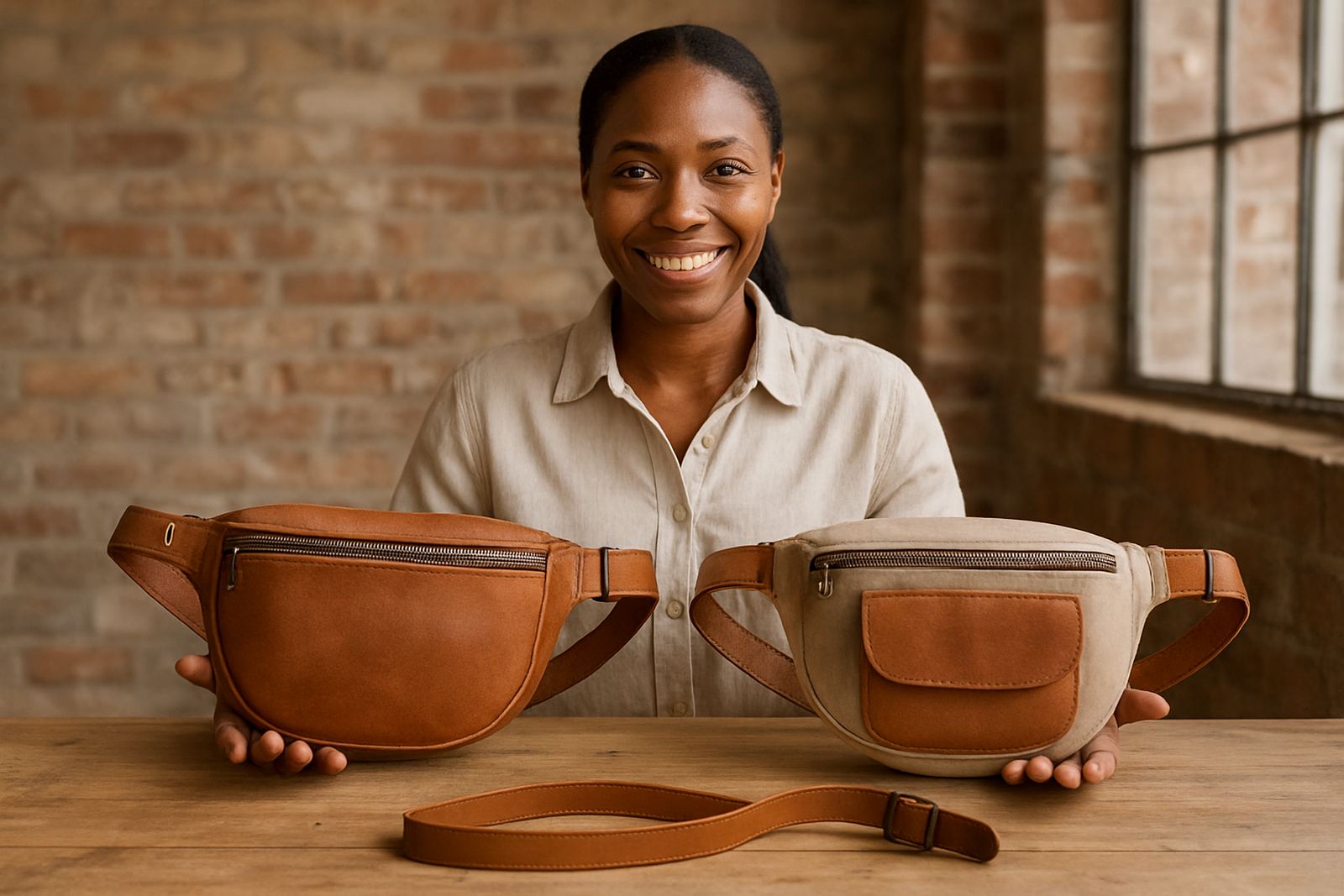
Strap Fit Advice is for anyone who wants a belt bag to sit properly from the first wear. A good fit makes a clear difference when you are moving through a busy market in Woodstock, walking the promenade in Cape Town, or standing in a queue at a festival or transport hub. We look at where the bag sits, how it rests against the body, and whether the strap length gives you enough room for layers, a jacket or a winter hoodie.
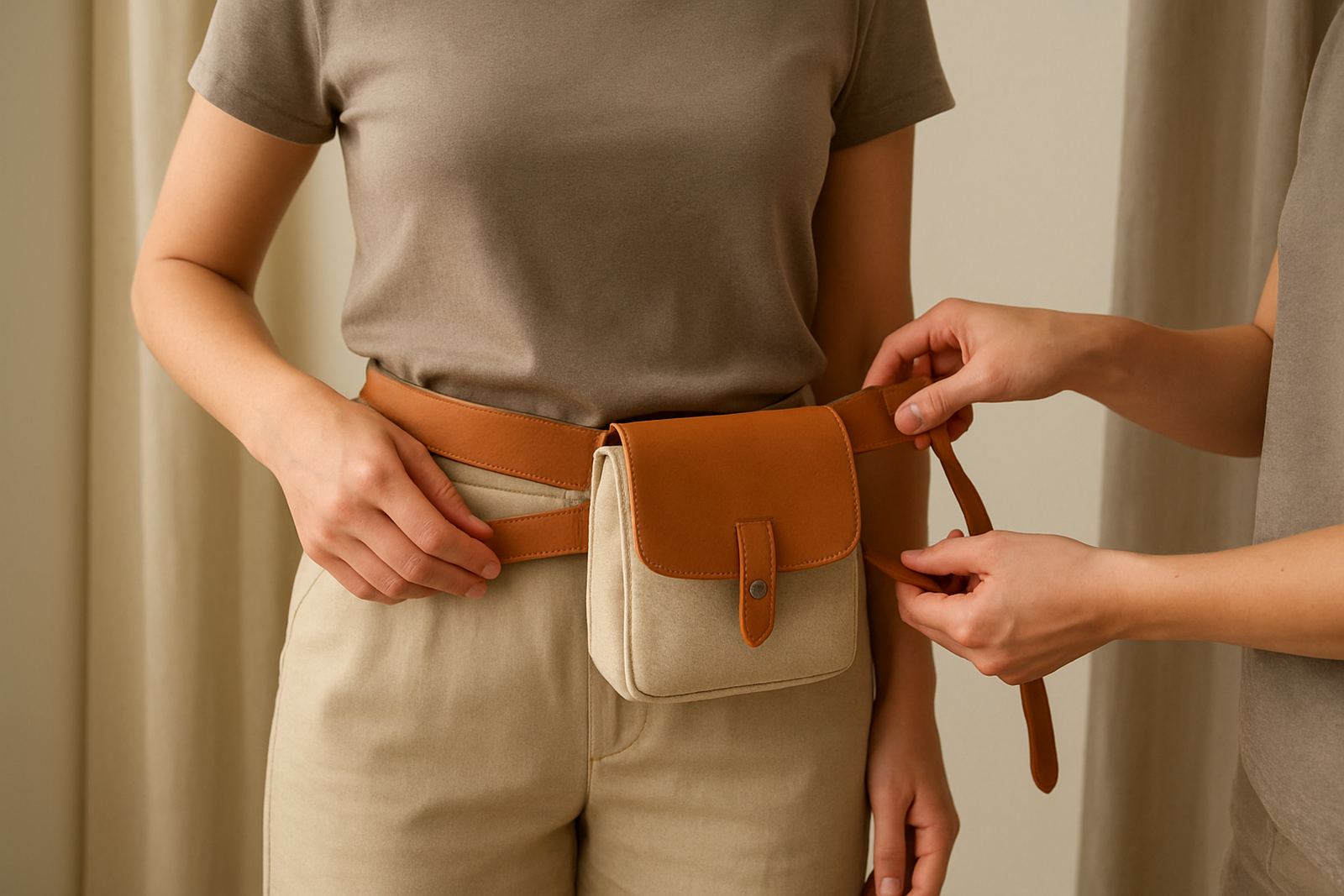
The goal is simple: comfortable carry with less bounce, less rubbing and better access to your items. We also help you decide whether a waist carry or crossbody carry suits your daily use better. That can depend on your build, what you keep in the bag, and how often you sit, stand or walk during the day. A strap that is too short can pinch at the hips or under the arm, while one that is too long can let the bag swing about and get in the way.
For leather and canvas belt bags, fit matters because the material behaves differently over time. Leather settles with use, while canvas can feel lighter but still needs the right angle and tension to stay comfortable. We take that into account and give advice that works in South African conditions, including coastal humidity in Durban, dry heat inland, and load-shedding routines where you may want quick access to torchs, keys or a power bank.
What We Check During a Strap Fit Review
We review the bag and strap as a working set, not just as separate parts. That includes the strap length, buckle placement, weight distribution and how the bag closes when worn tight or loose. If needed, we also check for signs that the strap holes, adjuster, stitching or ring attachments are starting to wear unevenly.
- Waist fit for high or low carry, including over shirts, jackets and jerseys
- Crossbody fit for chest carry or back carry, with enough slack for movement
- Strap adjustment range and whether the current length is suitable for your body shape
- Buckle grip, ring alignment and any twisting that affects comfort
- Bag tilt, bounce and access to the main compartment and front pocket
- Wear points on leather edges, canvas webbing and stitched joins
If you are buying as a gift, we can also guide you on a more universal fit. That often means choosing a strap that adjusts across a wider range, so the recipient can wear it over summer clothing and thicker winter layers. In some cases a slightly longer strap is the better choice, especially for crossbody use.
Our Fit Advice Process From Enquiry To Recommendation
You send an enquiry through the contact page and tell us how you plan to wear the bag. We then ask for a few details that help narrow down the fit. Body build, preferred carry style, height, and what you usually keep inside all help us give a better recommendation. If you already own a belt bag from us, we can use the current strap position and wear pattern as a guide.
- Step 1: Share your carry style, height and usual clothing layers
- Step 2: Tell us whether you want waist fit, crossbody fit, or both
- Step 3: We review the strap length, adjustment range and bag weight
- Step 4: We send a practical fit recommendation and care notes if needed
- Step 5: If the fit looks off, we advise on the best next step, including exchange or adjustment guidance where applicable
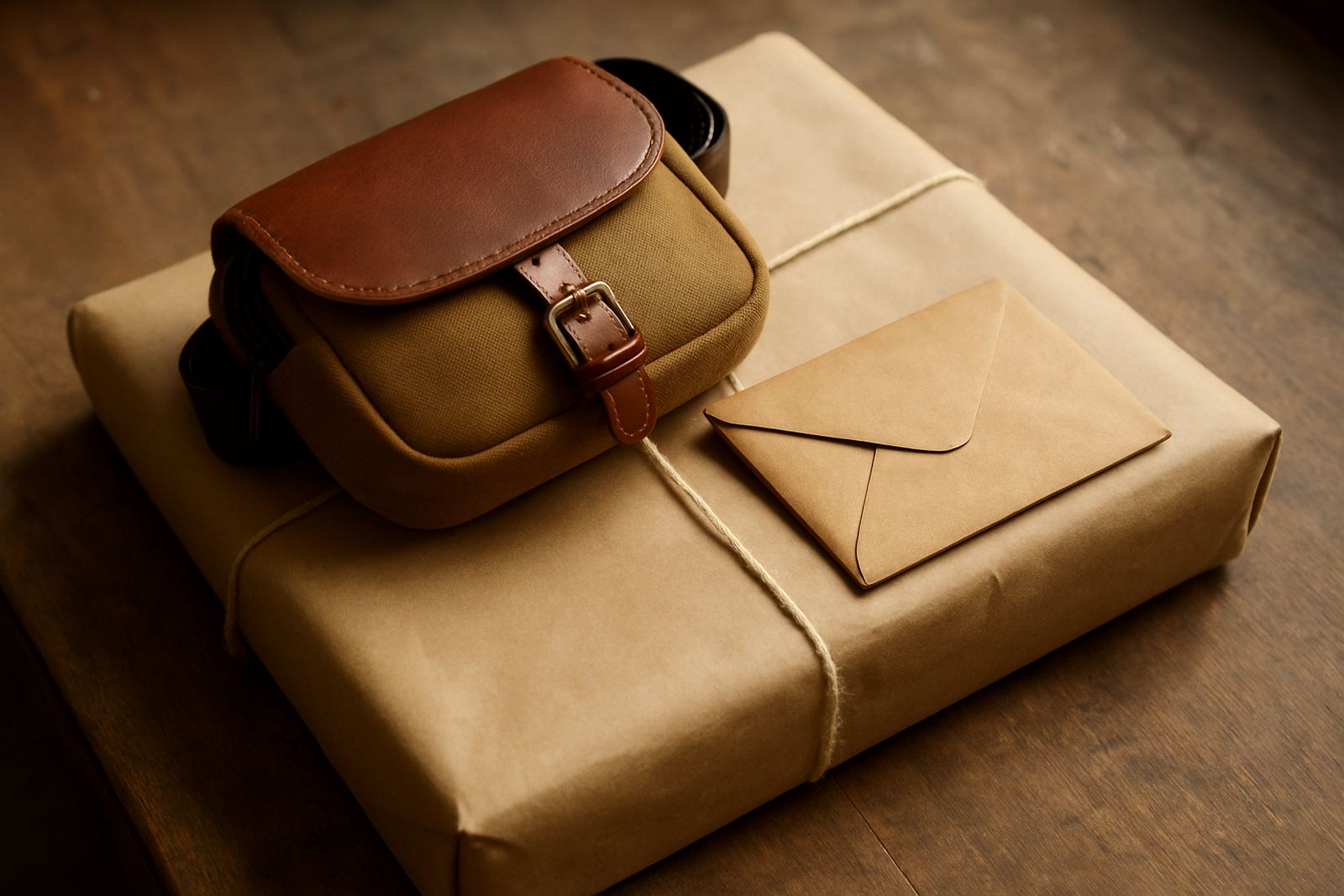
We keep the process straightforward because most people want a quick answer before they take the bag out for the first time. For customers in Cape Town, Johannesburg, Durban, Pretoria and Gqeberha, we can also factor in delivery timing if the fit advice is being requested before a trip or event. Small detail, but it helps when you are packing in a hurry and do not want to second-guess the strap length.
Fit Ranges And Carry Specs We Work With
Different body shapes and wear styles need different ranges, so we pay close attention to the adjustment span. A waist carry usually sits tighter and closer to the hips, while a crossbody carry needs more slack so the bag can rest on the chest or lower back without pulling. If you like to wear heavier items, such as a phone, keys, card holder and a small bottle, we may recommend a firmer fit to reduce swing.
As a guide, most everyday crossbody wear benefits from a strap that can cover at least 110 cm to 130 cm, while a waist fit often sits comfortably in a shorter range depending on your frame. Wider straps can help spread the load and reduce pressure on one point, especially if you wear the bag for long hours. Leather straps tend to hold their shape better, while canvas straps can feel softer against the body in warm weather.
We also look at the hardware. A secure buckle, strong stitching and well-set loops matter when the bag is used for daily commuting or walking through crowded areas. If the strap twists easily, pulls through too fast or sits unevenly on the body, the fit will not stay right for long.
Turnaround, Pricing Approach And When To Recheck Fit
Fit advice enquiries are usually handled quickly, with most replies within 1 to 2 working days depending on the detail needed and current order volume. If we need to compare more than one wearing style, it may take a little longer, but we keep the process moving. For urgent event wear or travel, tell us upfront so we can prioritise the response where possible.
Our pricing approach is practical. Basic strap fit advice is generally included as part of customer support for our bags, while more involved checks, repeated guidance or bulk order fit support may be quoted according to the scope. We keep that clear before proceeding. If a bag is being fitted for a corporate group, festival team or gift order, we can talk through the most suitable option for the full batch.
Recheck the fit every few months if you wear the bag often, or sooner if the strap has stretched, the leather has softened, or the bag now feels different after a season change. In Cape Town’s wind and humidity, or in inland winter layering, the same strap can feel quite different. A quick recheck saves discomfort and helps you keep using the bag properly.
Care Notes That Keep The Strap Comfortable
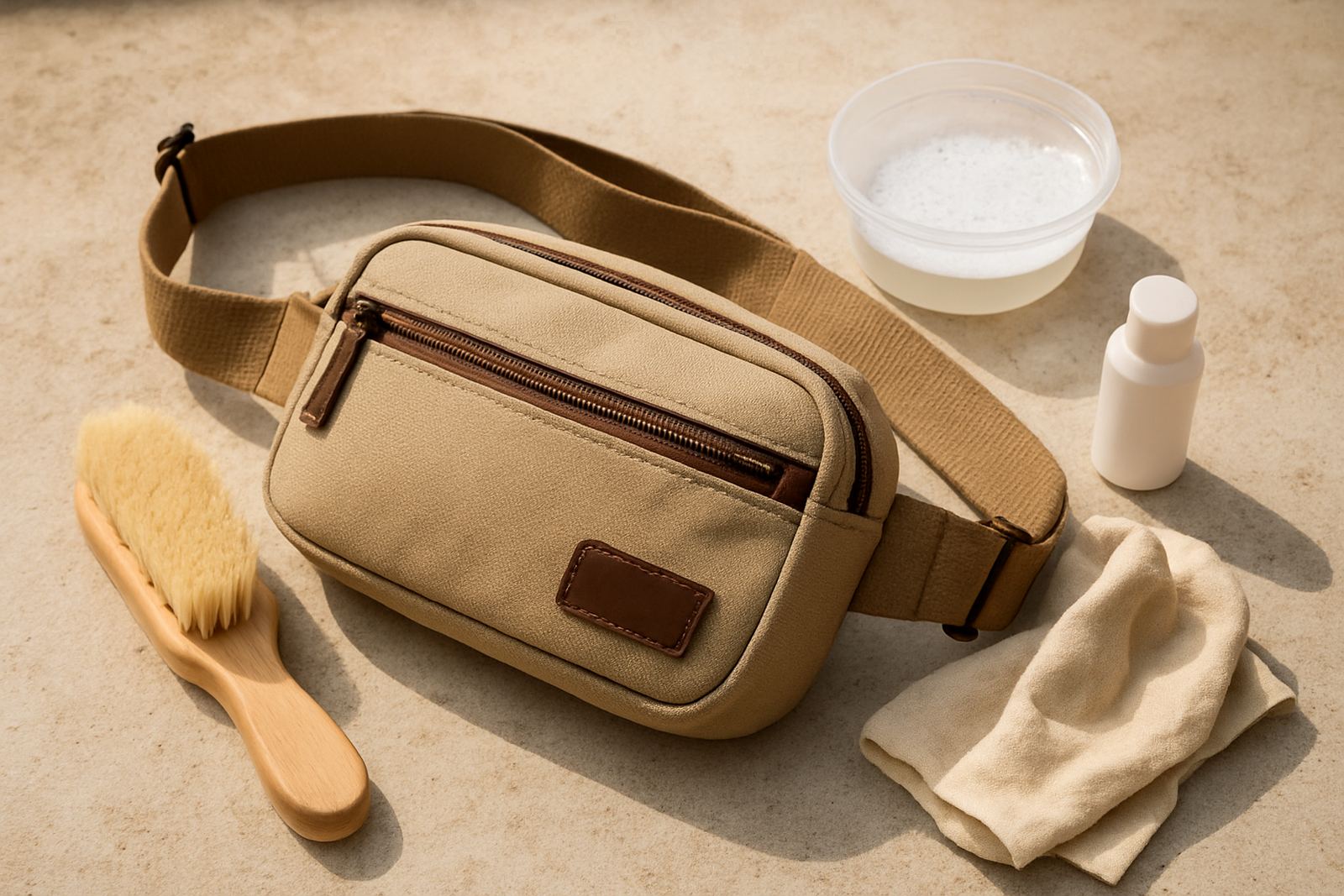
Good fit and good care go together. A strap that is kept clean, dry and properly adjusted will last longer and feel better on the body. For leather, avoid over-wetting and let the material dry naturally if it gets damp. For canvas, brush off dust and wipe marks gently so the webbing does not stiffen with grime. If the strap hardware picks up salt air in coastal areas, a light wipe-down now and then helps prevent roughness.
- Do not leave the strap pulled to one fixed hole for months on end if you can avoid it
- Check stitching at the buckle end and the bag attachment points every few weeks
- Let damp straps dry fully before storage, especially after rain or a sweaty day
- Rotate between waist and crossbody wear if you want to reduce pressure spots
- Store the bag flat or hanging, not crushed under heavier items
These small habits can make a real difference. A well-fitted belt bag should feel natural, not like something you have to keep adjusting every ten minutes. If that starts happening, it is worth asking for another fit check rather than pushing through discomfort.
Key facts
| Fit types | Waist carry, crossbody carry, chest carry and low-back carry |
|---|---|
| Typical strap adjust range | About 110 cm to 130 cm for most everyday crossbody wear |
| Common wear use | Festivals, travel, commuting and daily carry |
| Review focus | Length, buckle position, weight balance and rubbing points |
| Response time | Usually 1 to 2 working days |
| Support areas | Woodstock, Cape Town, Johannesburg, Durban, Pretoria, Gqeberha, Stellenbosch and Somerset West |