
Why a belt bag works on short rides
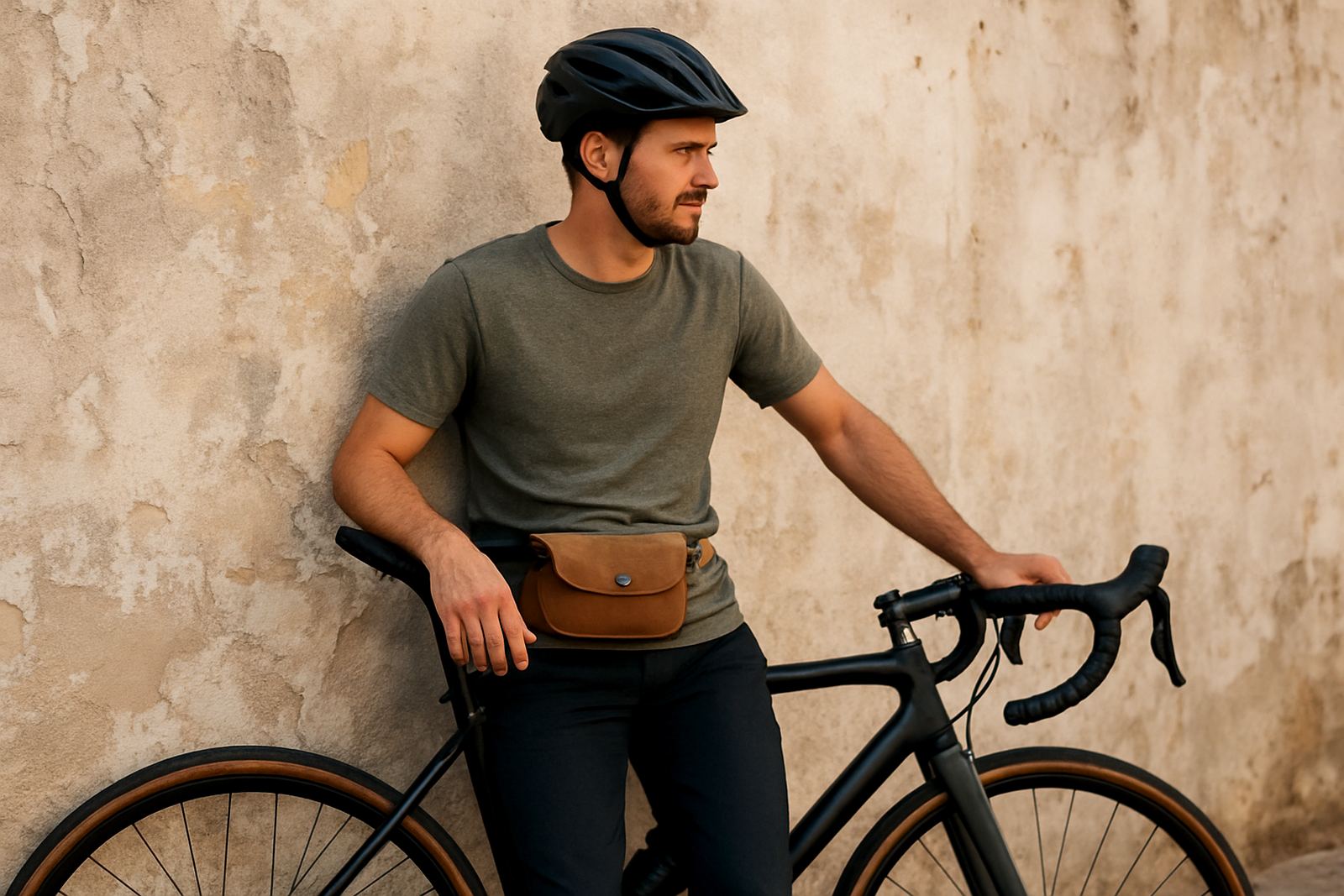
A cycling outing does not need a full pack, especially when you are heading out for 20 to 90 minutes and only need the basics. A low-profile belt bag sits close to the body, keeps your hands free and gives you one place for the items you reach for most often. For riders in Cape Town, Johannesburg, Durban, Pretoria and Gqeberha, that can mean less fuss at traffic lights, less weight on your shoulders and fewer pockets bulging out of shape.
For casual rides, comfort matters more than carrying capacity. A well-fitted belt bag stays steady over a T-shirt, cycling top or light jacket. It helps when you stop for coffee, pop into a shop, or lock up the bike and walk around for a bit. The aim is simple: carry enough, but not too much.
- Phone for maps and calls
- House or car keys
- Bank card and a bit of cash
- Energy gel or small snack
- Mini multi-tool or tyre leaver
Typical kit for a casual ride
Most riders overpack the first time, then realise they only use a small set of essentials. The right belt bag lets you separate what you need during the ride from what can stay at home or in the car. If you are riding a mixed route with tar, gravel shoulders or bike paths, keep the load light and stable so the bag does not swing from side to side.
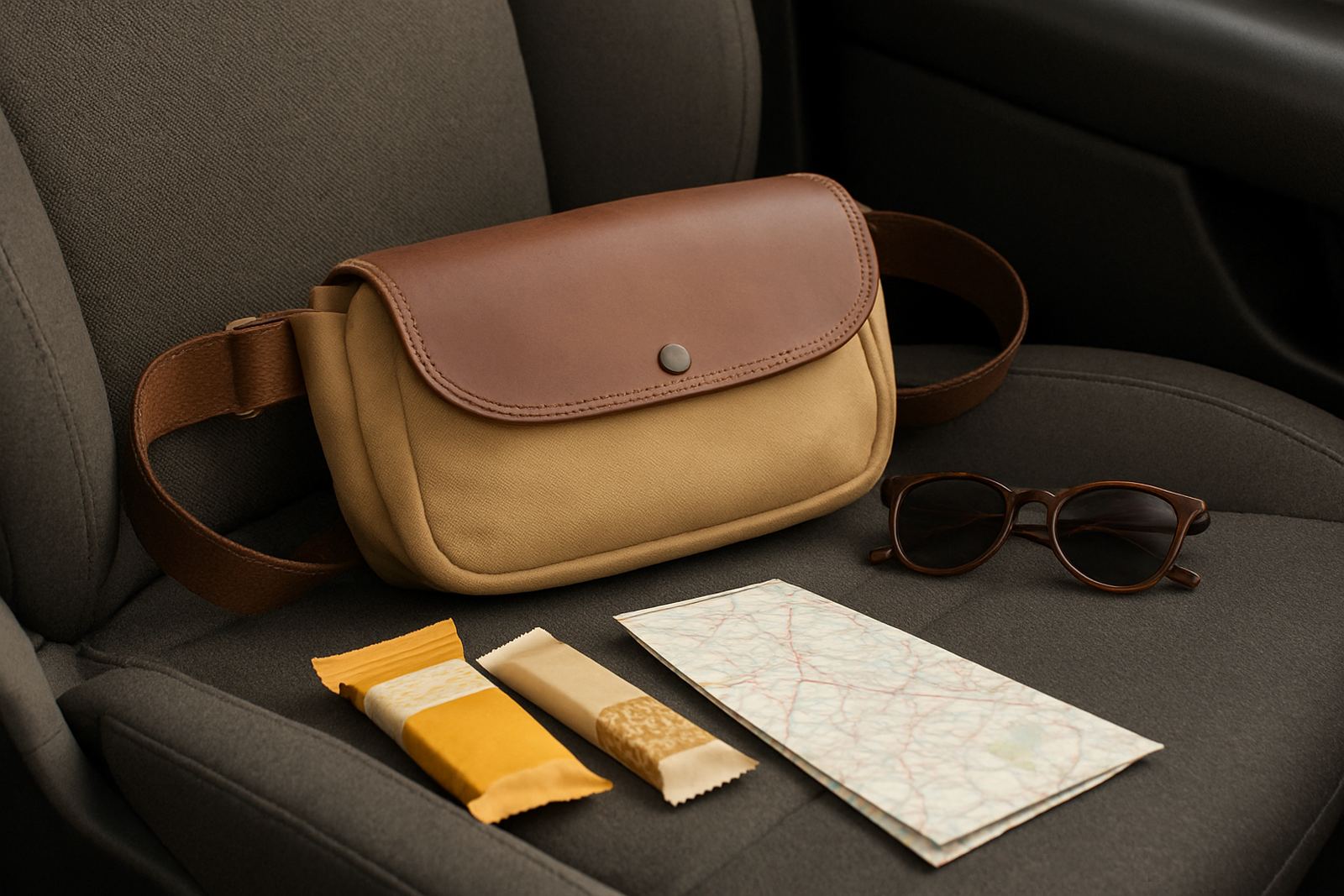
A good starting set is practical rather than fancy. You want enough room for day-to-day carry, but not a bag so large it hangs low on the hip. For festivals, travel and everyday use, the same sort of layout works for cycling as well, especially if the bag has a neat main compartment and a smaller front pocket.
- Main pocket for phone and wallet
- Small zipped pocket for loose coins or ear buds
- Back pocket for keys so they do not scratch the screen
- Secure zip pull that is easy to grip with one hand
- Adjustable strap for wearing at the waist or across the body
How to plan the layout before you ride
Before you set off, think about what you will need while moving and what can wait until you stop. Put the heaviest item closest to your body so the bag sits flatter. If your phone is in the bag, keep it in a sleeve or soft pouch so it does not rub against keys or tools. That little bit of planning makes a big difference on rougher roads and when you are standing up on the pedals.
For riders in coastal areas like Woodstock, Somerset West or Gqeberha, the air can be damp and salty, so it helps to keep metal items dry and wipe the bag after the ride if it picked up mist. Canvas is handy for everyday use and leather gives a neater finish, but either one lasts longer if you do not stuff it to the brim. A bag packed too full sits awkward and starts pulling at the strap.
- Place phone first, flat against the body
- Keep keys in a separate inner section if possible
- Leave a little space for a snack or spare cash
- Close the zip fully before mounting the bike
- Check the strap length so the bag does not bounce on the lower back
Choosing leather or canvas for cycling use
Leather and canvas both have their place, but the better choice depends on how and where you ride. Leather gives a more polished look and is a good fit if you want one bag for rides, errands and casual evenings out. Canvas is lighter and often better for riders who prefer a softer feel and a more relaxed style. If you are carrying a small load only, both materials can work well.
On warm summer rides, breathability matters. Canvas usually feels a bit cooler against the body, while leather tends to hold its shape better. If you are riding in and around Cape Town or Durban where weather can change quickly, it is worth thinking about how easy the bag is to wipe clean after rain spray or dusty roads. Stitching and zip quality matter too, because a cycling bag gets opened and closed often.
- Choose canvas for lighter everyday carry
- Choose leather for a neater finish and firmer structure
- Look for smooth zip action, not stiff pulls
- Check the strap width for comfort on longer casual rides
- Prefer simple layouts over too many small compartments
Common mistakes riders make
The biggest mistake is treating a belt bag like a backpack and overfilling it. Once the bag bulks out, it starts moving around and becomes annoying on the ride. Another common issue is wearing it too loose, which causes bounce on cobbled sections, potholes or rough cycle paths. A snug fit is usually better than a loose one.
Riders also forget to check the zipper before they roll off, and that can lead to items slipping out at the worst moment. Another one is carrying sharp objects with a phone or glasses without any separation. If you use your bag for both cycling and daily errands, do a quick contents check before each outing. It only takes a minute, and saves a lot of hassle later. Some riders also leave the strap twisted, which makes the bag sit badly on the hip and can rub after a while, especally on a longer route.
- Do not overpack for a short ride
- Do not wear the strap too loose
- Do not mix keys and screens without protection
- Do not ignore loose stitching or a weak zip
- Do not assume one fit works for every jacket or shirt
Budget ranges for a practical cycling belt bag
For casual cycling use, budget should match how often you will carry the bag and what finish you want. A simple canvas option can suit riders who want a lighter everyday piece, while a leather belt bag often sits in a higher range because of the material and the more refined look. For most buyers, it is worth spending a bit more for strong stitching and a reliable zip rather than saving a few Rand and replacing the bag soon after.
As a guide, entry-level belt bags may sit in the R350 to R650 range, mid-range options often fall between R700 and R1 200, and more refined leather pieces can go from about R1 250 to R2 000 depending on size, finish and details. For bulk orders, gift orders or team outings, it helps to compare sizes and strap style first so everyone gets something usable, not just something that looks good on the shelf.
- R350 to R650 for simple everyday canvas bags
- R700 to R1 200 for stronger finishes and extra features
- R1 250 to R2 000 for higher-end leather options
- Budget a little extra for careful stitching and better zips
- Choose the size based on what you actually carry, not the biggest option available