
What Daily Commuting Needs From a Belt Bag
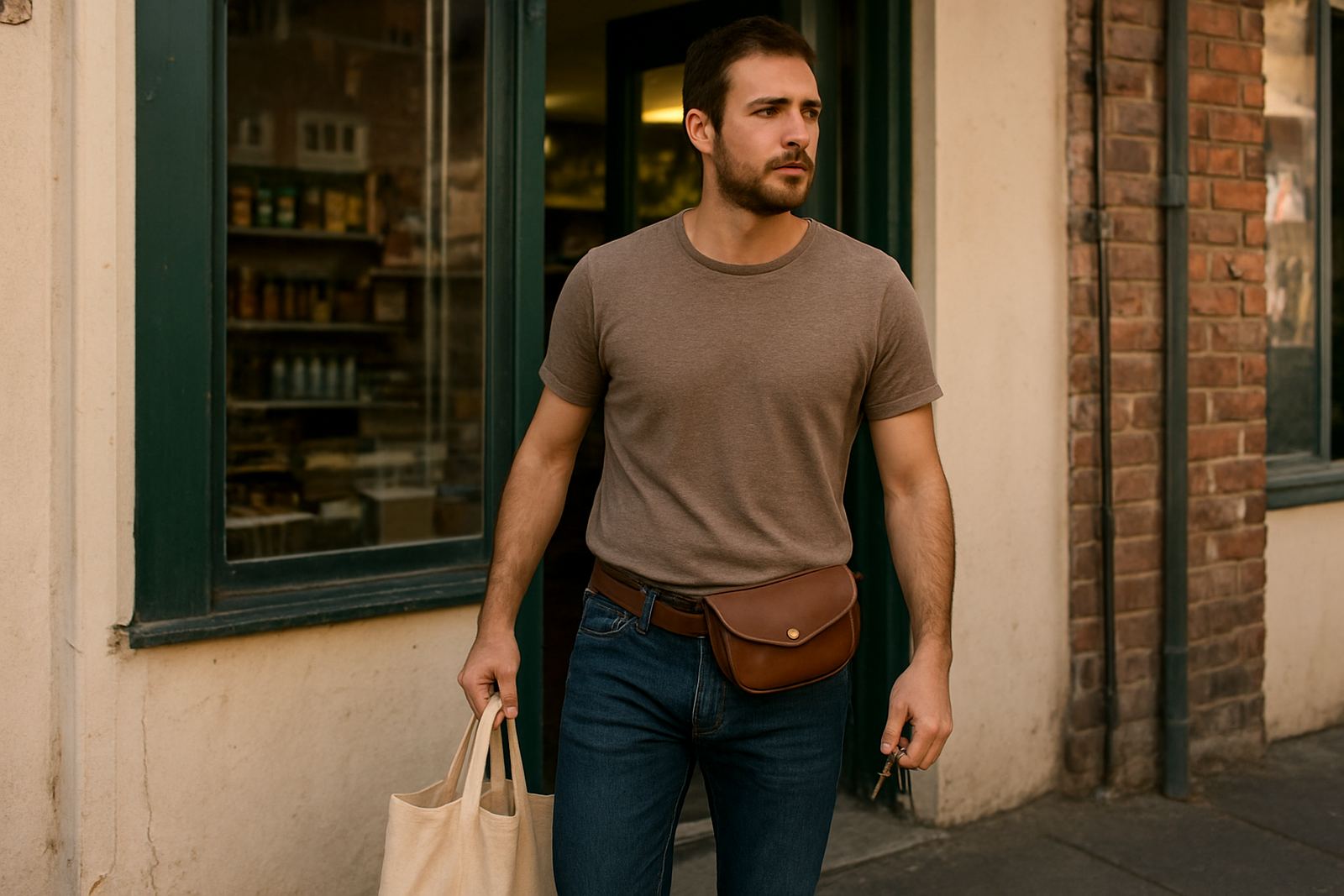
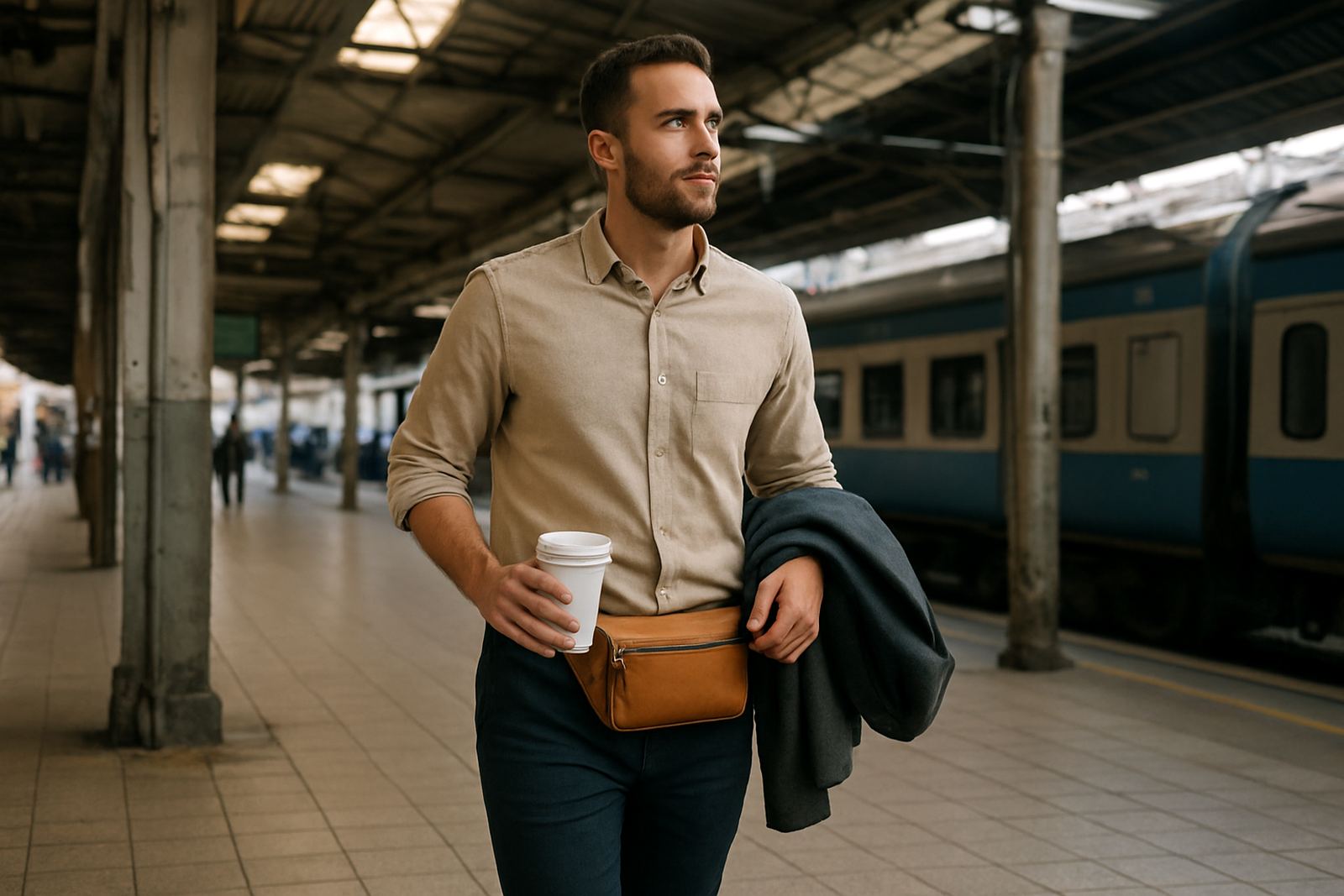
When you are moving through a busy weekday, the bag has to work with your routine not against it. You want hands free carry for a MyCiTi stop, a Gautrain platform, a lift queue, or a quick walk from the parking area to the office. A good belt bag keeps your phone, cards, keys and travel pass close to the body so you are not digging through a bigger bag every time you need something.
For commuting in South African cities, the main concerns are comfort, security and simple access. Compact sizes are easier to manage in crowded spaces, and a flatter profile is less likely to bump into people on trains or packed pavements. If you often move between airconditioned offices and hot streets, leather and canvas both hold up well, but each one feels a little different on the body.
At BeltBags in Woodstock, the focus is on practical shapes that suit the pace of city travel. Luyanda Mbeki and the team work with designs that fit real daily use, not just short trips on weekends. That means comfortable straps, sensible zip placement and enough room for the items you use every day without making the bag bulky.
Typical Carry for Trains, Buses and On-Foot Routes
A commuting setup usually stays simple. Most people only need a few items, but those items need to be easy to reach and secure. A belt bag works best when the main compartment is used for daily essentials and smaller pockets are reserved for things you need to separate.
- Smartphone with a slim cover
- Bank cards, ID and travel card
- Keys with a small keyring
- Earphones or charging cable
- Lip balm, sanitiser and tissues
- Small medicine pack or inhaler if needed
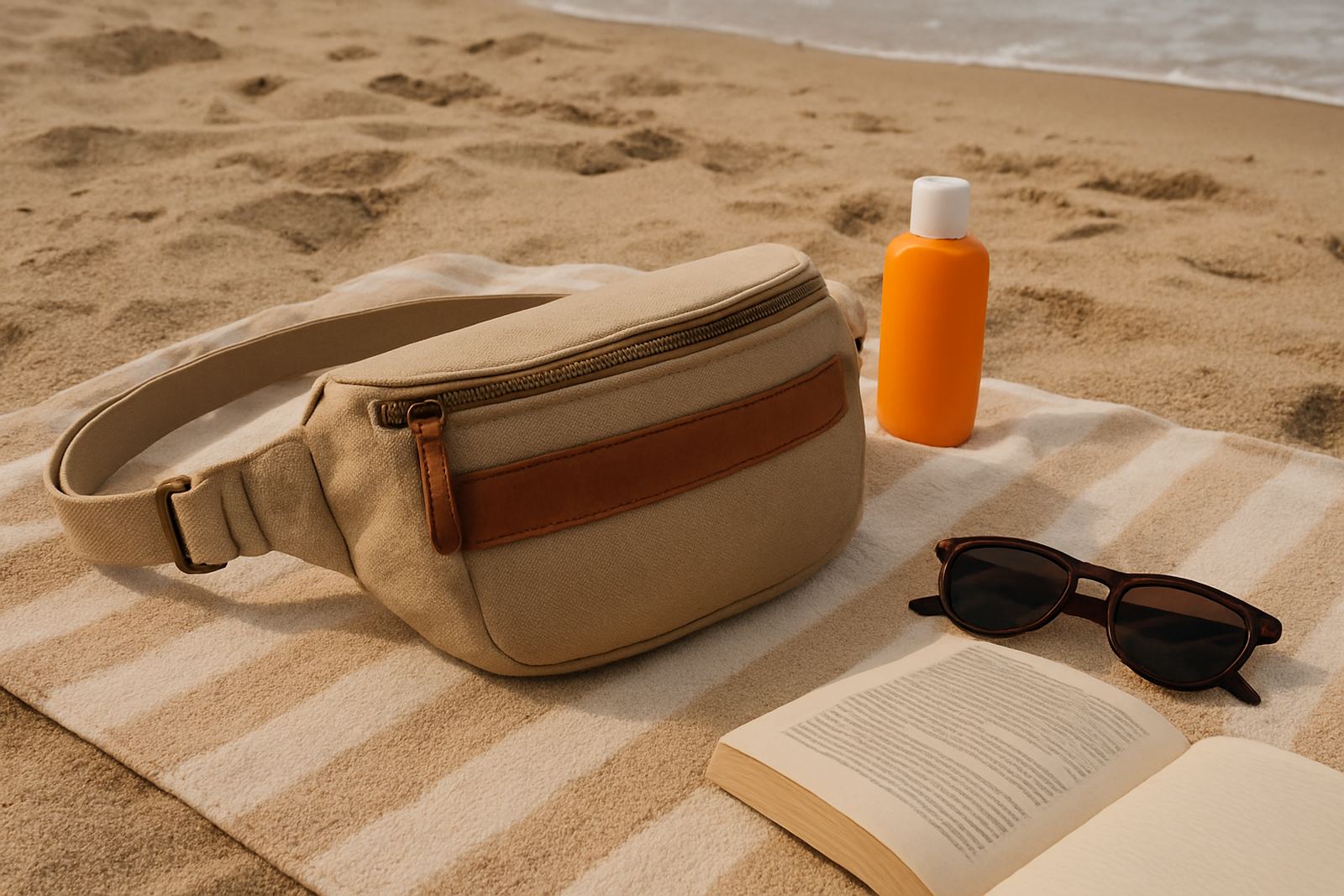
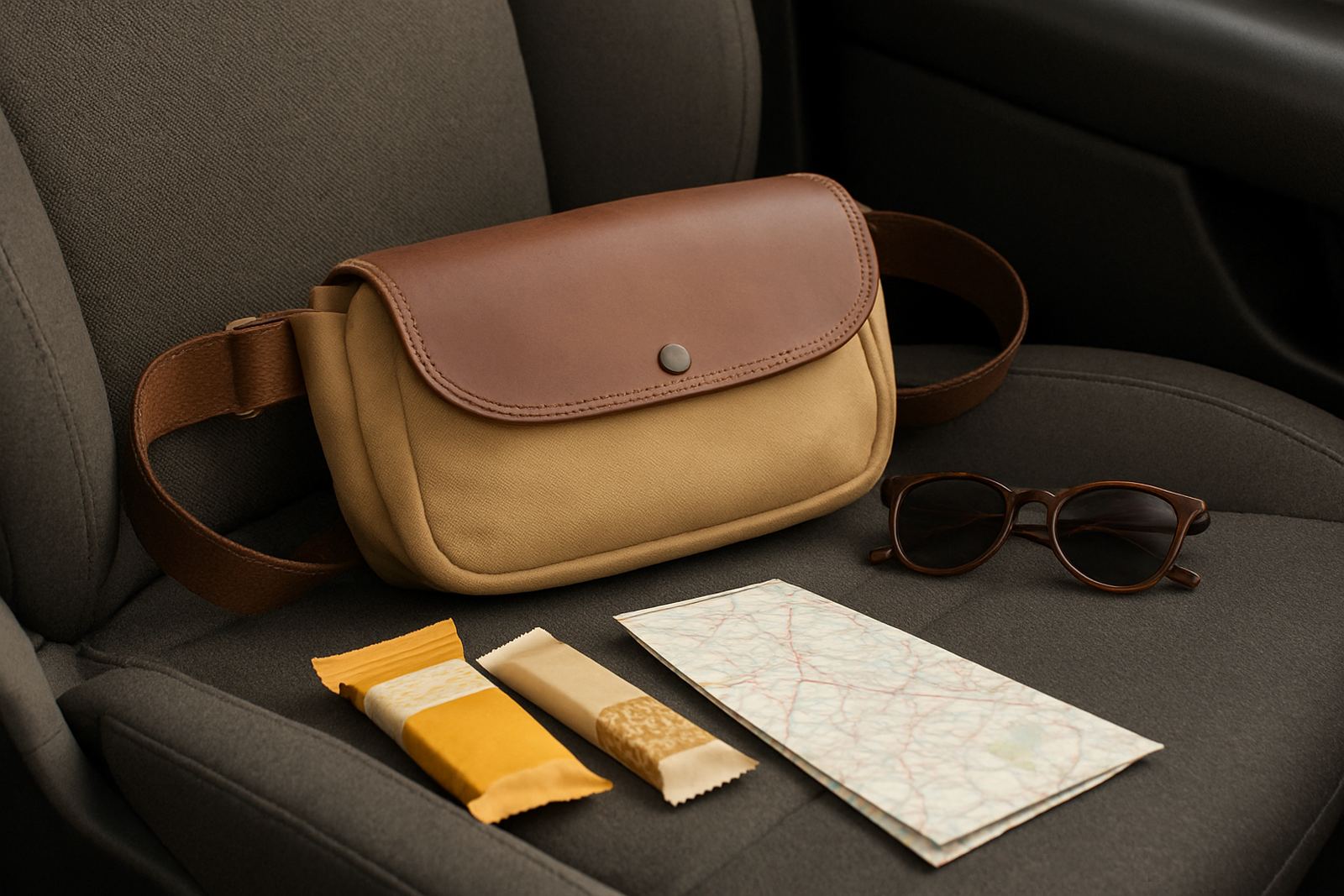
If you carry a compact power bank, choose a layout that leaves space for it without making the front panel too tight. In summer, a canvas option can feel lighter for all day wear, while leather can be a strong choice for a more polished office look. In Cape Town’s wind or Durban humidity, both materials need a bit of routine care, especially if you commute often and leave the bag in a car or near a window.
How to Plan the Layout So It Works Every Morning
Good layout saves time. Put the items you reach for most, like your phone and travel card, in the easiest section to access. Keep less used items in the main compartment so you are not opening and closing every pocket for a simple coffee run. If the bag has an inner divider, use it for cards, receipts and small valuables so they do not mix with change and cables.
Strap fit matters as much as pocket count. A commuting belt bag should sit snug against the body without cutting into your waist or sliding around when you walk fast. If you use lifts, stairways or cycle the last part of your route, a stable fit prevents swing and keeps the bag comfortable for longer stretches. Strap adjustment is worth checking before you leave home, not after you are already at the station and running late.
For a clean daily routine, many customers choose one bag and keep it packed the same way most days. That reduces forgotten items and makes it easier to notice if something is missing before you head out. It is a small habit but it saves time.
Common Commuting Mistakes to Avoid
One of the biggest mistakes is choosing a bag that is too small for the essentials you actually carry. Another is going too big, which makes the bag awkward on crowded transport and can turn a neat setup into extra bulk. A third mistake is using the wrong material for the route and climate, especially if the bag is exposed to sun, dust or coastal moisture most days.
- Overpacking with items you do not use every day
- Choosing a strap that is too short for layered clothing
- Leaving zips half open in a rush
- Ignoring stitch wear around the strap attachment points
- Using harsh cleaners on leather or soaking canvas during care
It also helps to watch the placement of your bag in public spaces. A belt bag should stay in front or to the side in crowded conditions, particularly on trains, buses and busy sidewalks. That simple habit reduces the chance of fiddly access and keeps your hands free if you need to move quickly.
Leather or Canvas for the Daily Route
Leather and canvas both suit commuting, but they suit slightly different needs. Leather gives a neater finish and often works well for office wear or client meetings. It also benefits from regular conditioning so it does not dry out, especially in dry inland air or after long periods in the sun. Canvas is lighter, easy to wear for longer walks and often a practical pick for people who want a more casual look.
If your commute includes beach air, busy taxi ranks or changing weather, material choice matters more than people think. A bag that looks good but does not match your daily route can become a nuisance. The right choice should feel comfortable whether you are in a parking garage in Pretoria or walking between meetings in Woodstock. Small differences in weight and texture can make a big difference by Friday.
BeltBags offers style selection help, leather care support and canvas care support for customers who want a bit of guidance before ordering. Megan Jacobs and the customer care team also help with strap fit advice, order tracking and delivery options, so the process stays practical from selection to dispatch.
Budget Ranges and What to Expect in South Africa
For everyday commuting, budget depends on size, material and detailing. A simple canvas belt bag is often the most affordable starting point, while leather pieces usually sit higher because of the material and finish. For most commuters, a sensible budget range is between R350 and R1 250, with some more detailed leather options sitting above that depending on construction and finish.
If you are buying for a team, a school group or a small business gift order, it helps to think about whether you need one style across all users or a mix of sizes and colours. Tebogo Molefe can help with bulk order enquiries, while Aphiwe Ndlovu handles dispatch coordination so delivery planning stays clear. For customers in Johannesburg, Durban, Pretoria, Gqeberha, Stellenbosch and Somerset West, the goal is the same: get a bag that fits the commute and arrives in good order.
Returns guidance and exchange assistance are useful if you are choosing a first commuting bag and want to check fit after it arrives. For many people, the right choice only becomes obvious once they have worn it on a full day route, including the walk to the station and the trip home after dark.