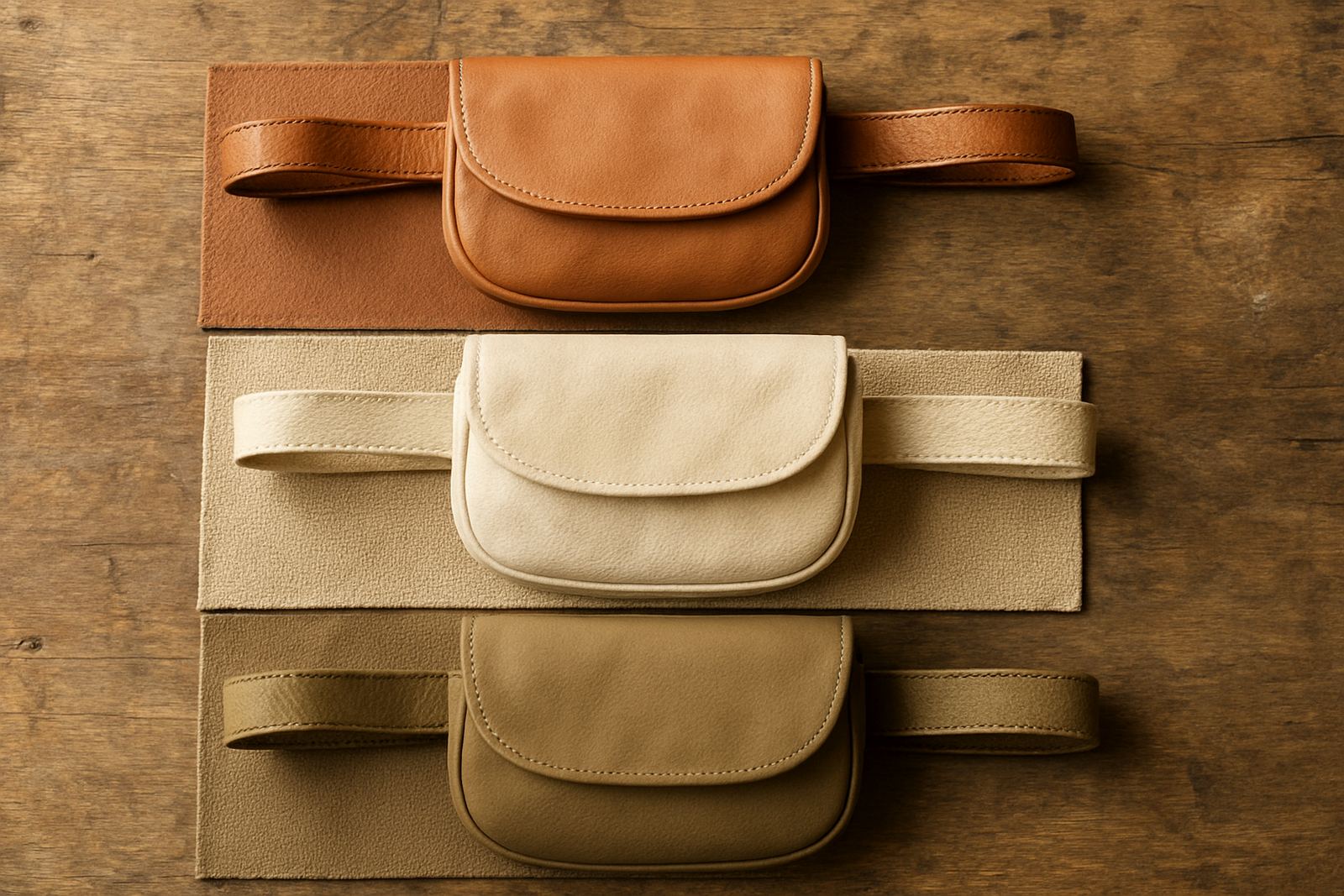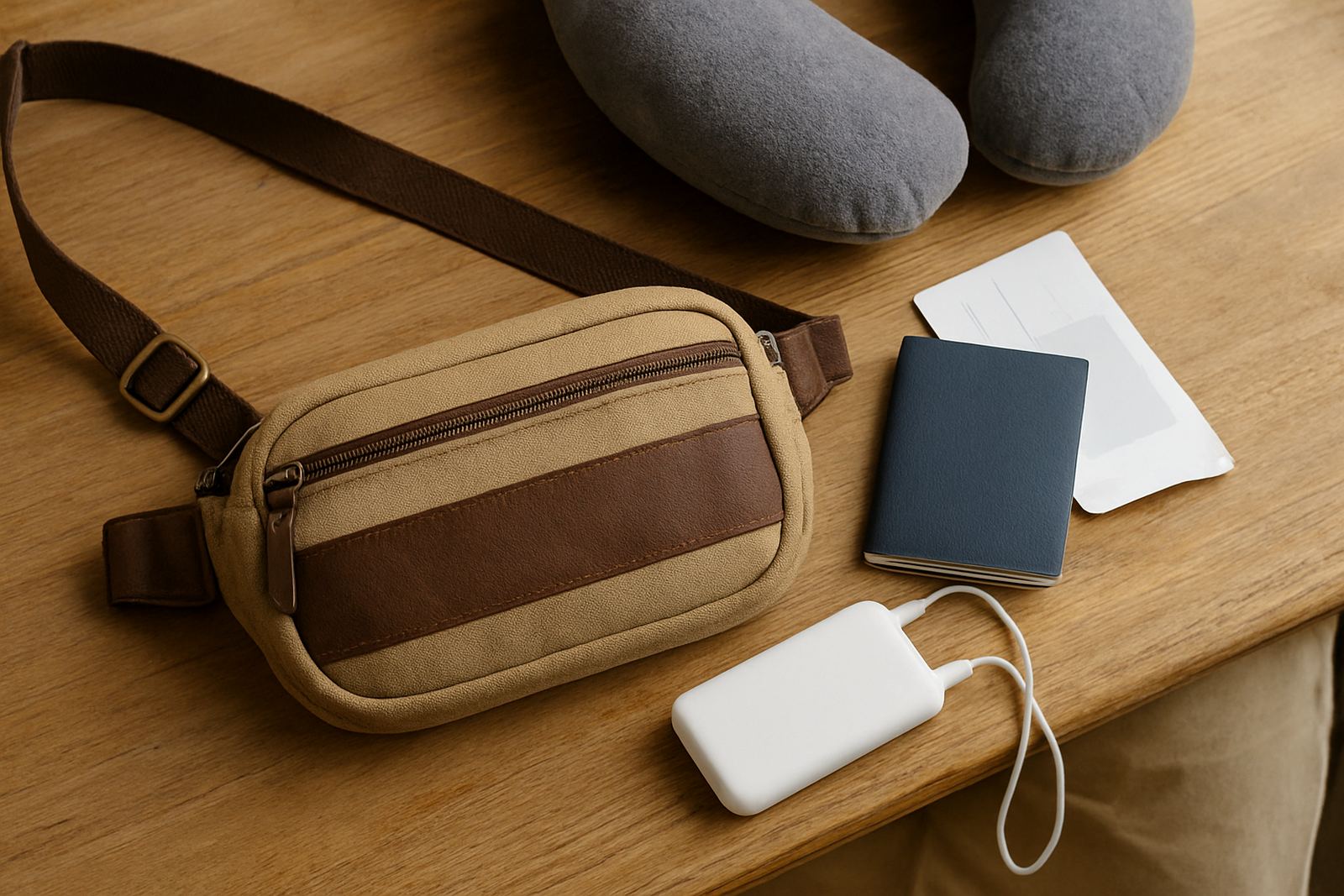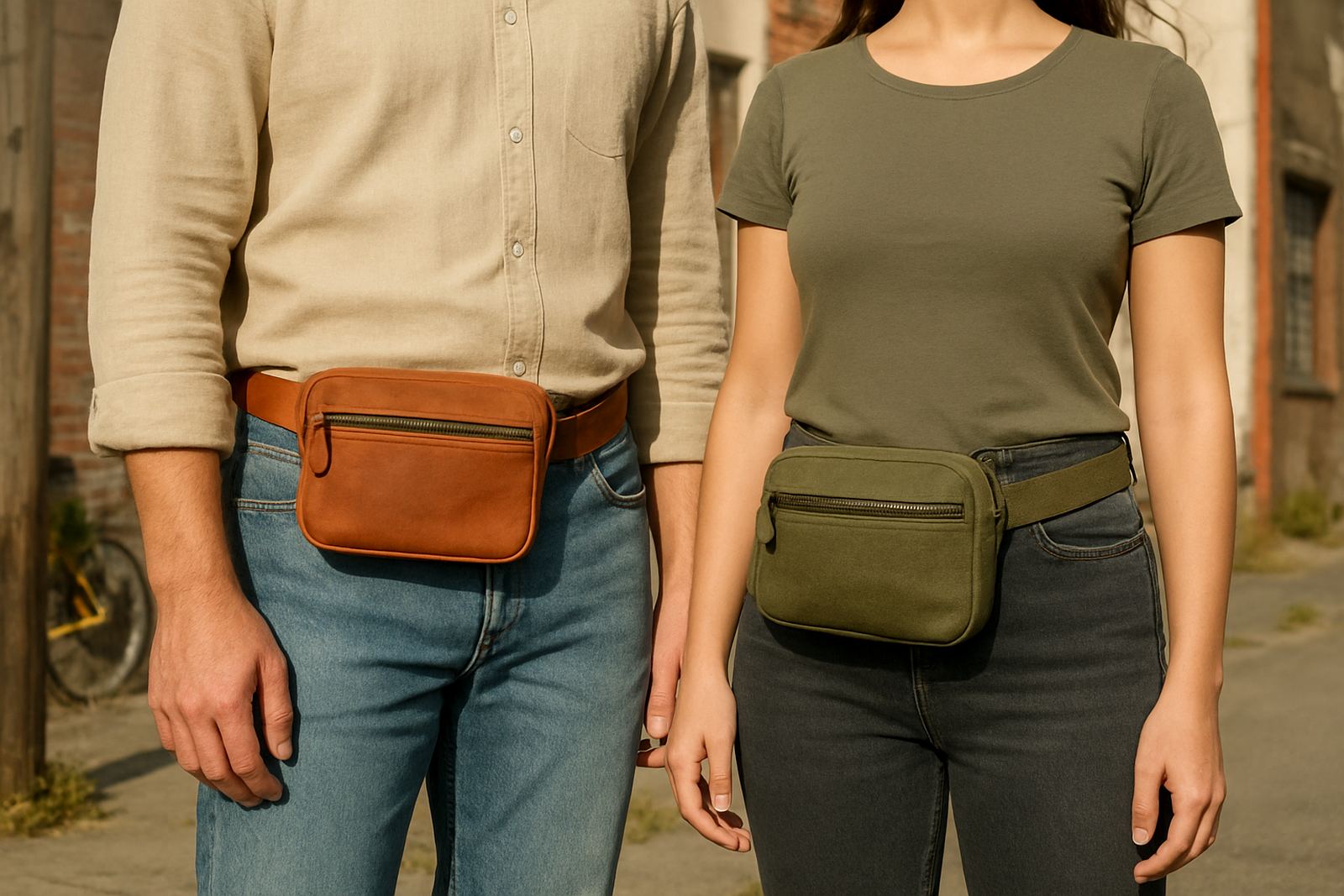

Start With a Quick Weekly Check
Set aside a few minutes once a week to look over the bag before dirt builds up. Check the strap, zip, stitching and corners, since these are the spots that usually show wear first. If you use your bag for festivals, markets or commuting, give it a quick shake out too so crumbs and grit do not sit inside for long.
On canvas bags, check for dust and light stains after a busy day. On leather bags, look for dry patches or marks from rain, sunscreen or hand cream. A little attention now helps prevent bigger cleaning later and keeps the bag ready for the next outing.
- Empty loose items and turn the bag inside out if needed.
- Open and close the zip a few times to check smooth movement.
- Look at the stitching near the strap ends and seams.
- Wipe off dust before it settles into the fabric or leather.
Leather Care Without Overdoing It
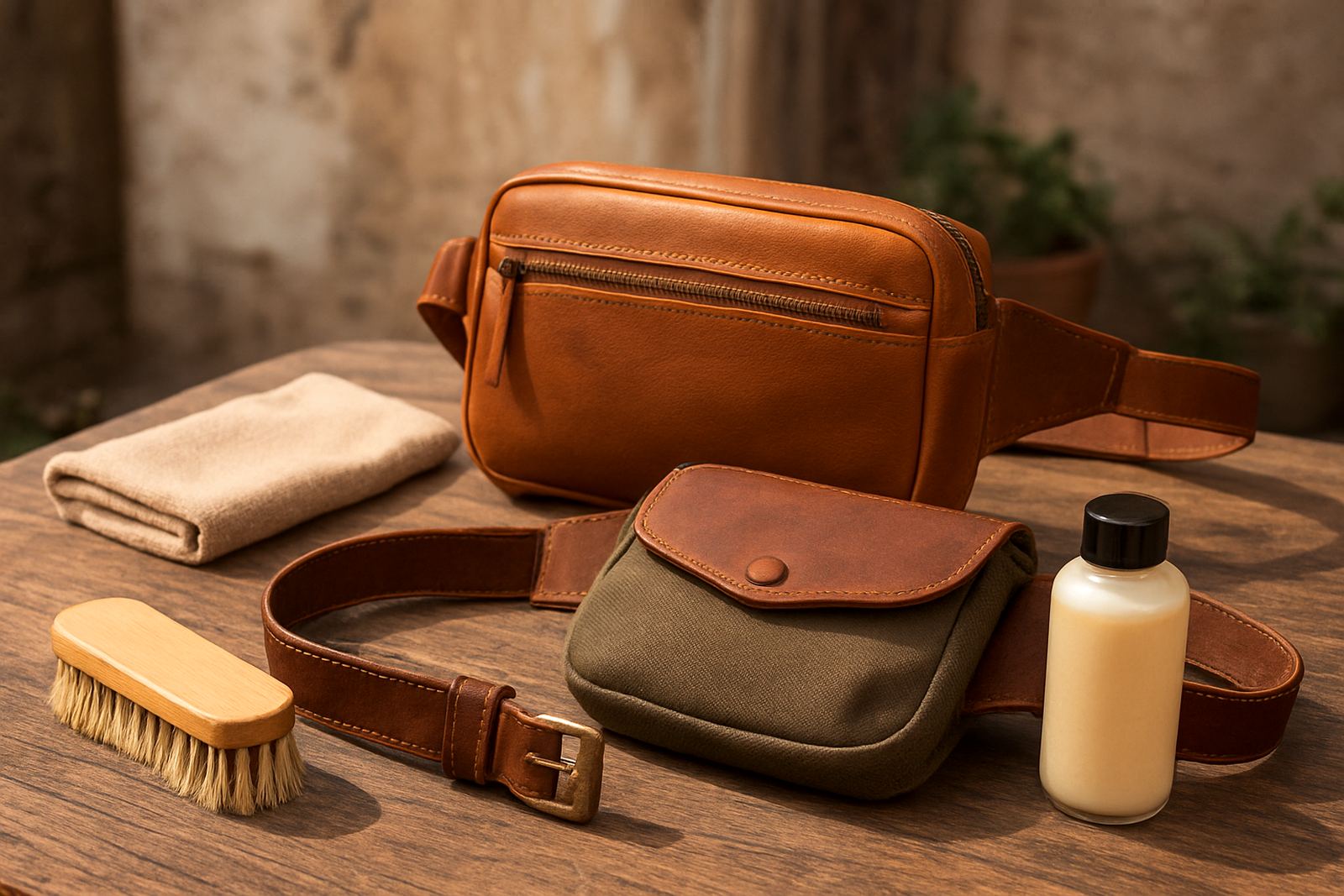
Leather needs gentle care, not lots of product. Use a soft dry cloth first to remove dust, then a slightly damp cloth for light marks. Never soak leather, and do not use strong detergents, bleach or anything with a harsh smell. That can dry it out and leave the surface looking patchy.
If the leather feels dry, apply a small amount of leather conditioner sparingly, then buff with a clean cloth. Do this every few months rather than every week. In humid areas like Durban or coastal parts of Gqeberha, let the bag air properly after use so moisture does not sit inside the lining.
- Keep leather away from direct heat and full sun for long periods.
- Dry naturally after rain, never on a heater or tumble dryer.
- Use clean hands when handling light coloured leather.
- Test any product on a small hidden spot first.
Canvas Cleaning for Everyday Spills
Canvas is practical for travel and daily carry, but it still needs a proper clean now and then. Start by brushing off dry dirt with a soft brush or cloth. For small marks, use mild soap mixed with lukewarm water and dab the area gently. Do not scrub hard, because that can rough up the weave and leave the spot looking lighter than the rest.
After cleaning, blot with a dry towel and leave the bag to air dry in a shaded place. If the bag has been packed with gym gear, sunscreen or food wrappers, open all compartments so air can move through it. Avoid packing it away while damp, especially in winter when rooms in Johannesburg or Pretoria can stay cooler and take longer to dry.
- Use a clean cloth, not a rough sponge.
- Dab stains instead of rubbing them across the fabric.
- Check the lining for small spills and crumbs.
- Leave zips open while drying for better airflow.
Zip, Strap and Stitching Checks
The parts that move get the most wear, so give them attention before they fail. Run the zip back and forth to make sure it does not catch. If it sticks, clear out any grit with a dry brush or cloth. Never force it, because that can bend the teeth or pull the slider off line.
Check the strap attachment points and all visible stitching. A loose thread does not always mean a major problem, but it should be watched. If you notice a seam opening or a strap feeling uneven, stop loading the bag heavily until it has been looked at. A small stitch issue is easier to manage early than after a busy weekend away.
- Zip should move evenly from end to end.
- Strap hardware should sit flat and not twist.
- Stitching should be tight, neat and unbroken.
- Any clicking, pulling or rough movement needs attention.
Storage Tips For Load-Shedding And Travel
When you are not using the bag, store it in a cool dry place away from direct light. Stuff it lightly with clean paper to help it hold shape, but do not overfill it. If you live in a coastal home where damp can linger, keep the bag in a breathable cotton pouch or on an open shelf rather than in a sealed plastic bag.
During load-shedding, avoid leaving the bag near candles, paraffin heaters or charging equipment that gets hot. If you travel often, keep the bag empty and dry between trips so it is ready to go. A bag stored properly will usually keep its shape better and need less cleaning later.
- Do not hang the bag by one strap for long periods.
- Avoid sealed plastic storage in humid rooms.
- Keep out of direct sun to reduce fading.
- Store with the zip partly open for airflow.
When To Ask For Help
Some issues can be sorted at home, but others are worth asking about. If the bag has a damaged zip, a loose strap, split stitching or a stain that will not lift, it is better to get advice before trying more cleaning. The same applies if a leather area feels unusually stiff or a canvas panel has started to fray.
We can help with leather care support, canvas care support, zip checks, stitching assessment, strap fit advice and order tracking help if you need it. If the bag is a gift or part of a bulk order, we can also assist with exchange guidance and delivery options. Best to sort small problems early, rather than letting them get worse.
- Use the enquiry form if you need care guidance.
- Share clear photos of the problem area.
- Note whether the issue started after rain, dust or heavy use.
- Keep your order details handy for faster help.