
Start With How You Plan to Wear It
The best waist wear setup depends on where you will use it most. For festivals and busy markets, a bag that sits close to the body makes moving through crowds easier. For travel, a slightly larger shape can hold passport, cards, lip balm and a small charger without feeling bulky. For daily carry, the aim is comfort over long hours and a fit that does not bounce when you walk.
Think about what you carry most often and how often you will open the bag. If you need quick access to a card, hand sanitiser or travel ticket, a front-facing zip works well. If you want to tuck the bag out of the way, some people prefer wearing it across the chest or on the back. There is no single right way, only the way that suits your routine best.
- Festival use: light, secure and easy to open with one hand.
- Travel use: enough room for documents, power bank and small extras.
- Daily use: comfort, balanced weight and a strap that stays in place.
Choose a Shape That Matches Your Body and Carry Load
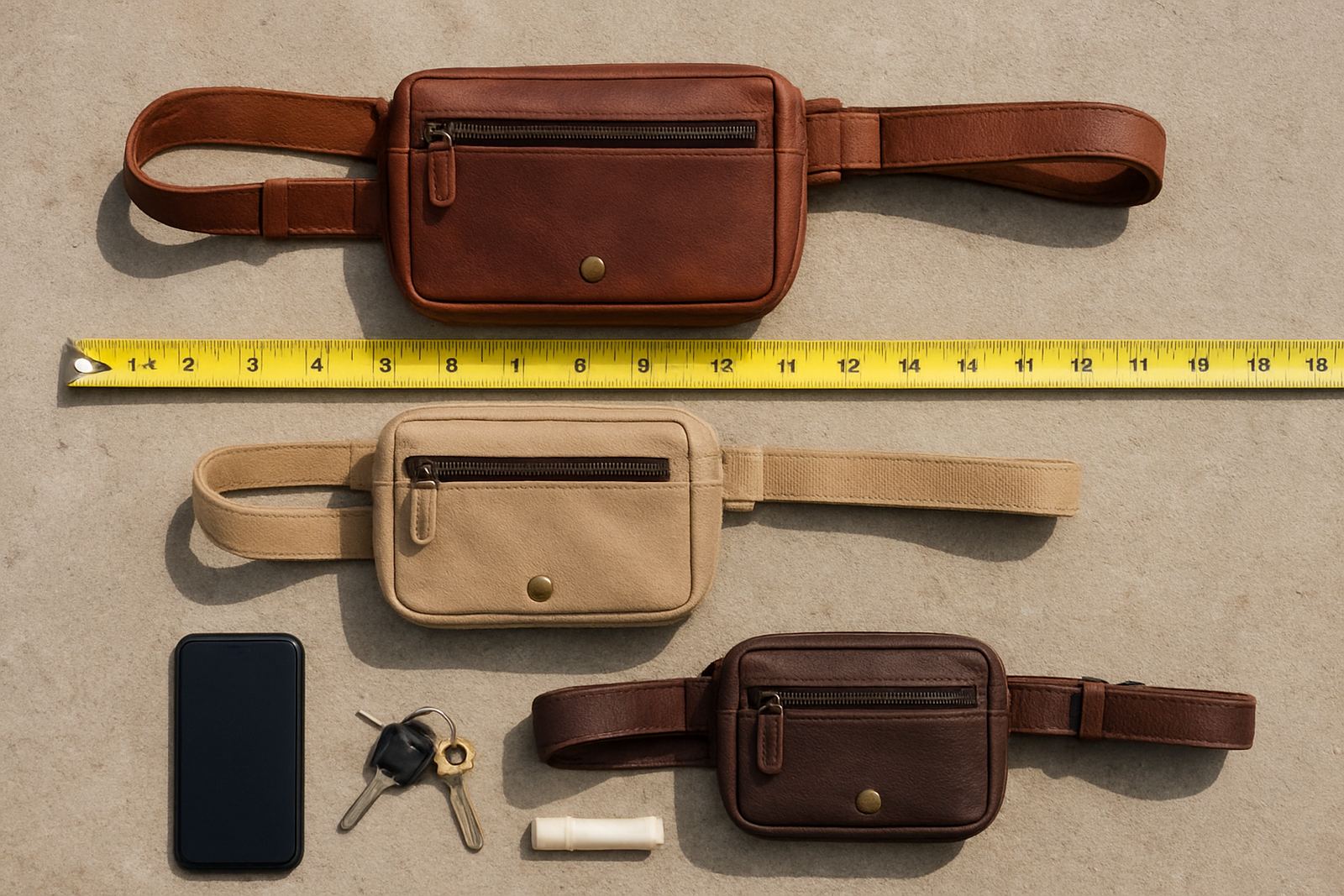
Shape affects both comfort and how neat the bag looks when worn. Slim, curved shapes tend to sit better on smaller frames and work well for lighter loads. Wider shapes can carry more, but they need a stronger strap and good stitching so the weight does not pull at one side. If the bag is too deep, it can push outward and get in the way when you sit down.
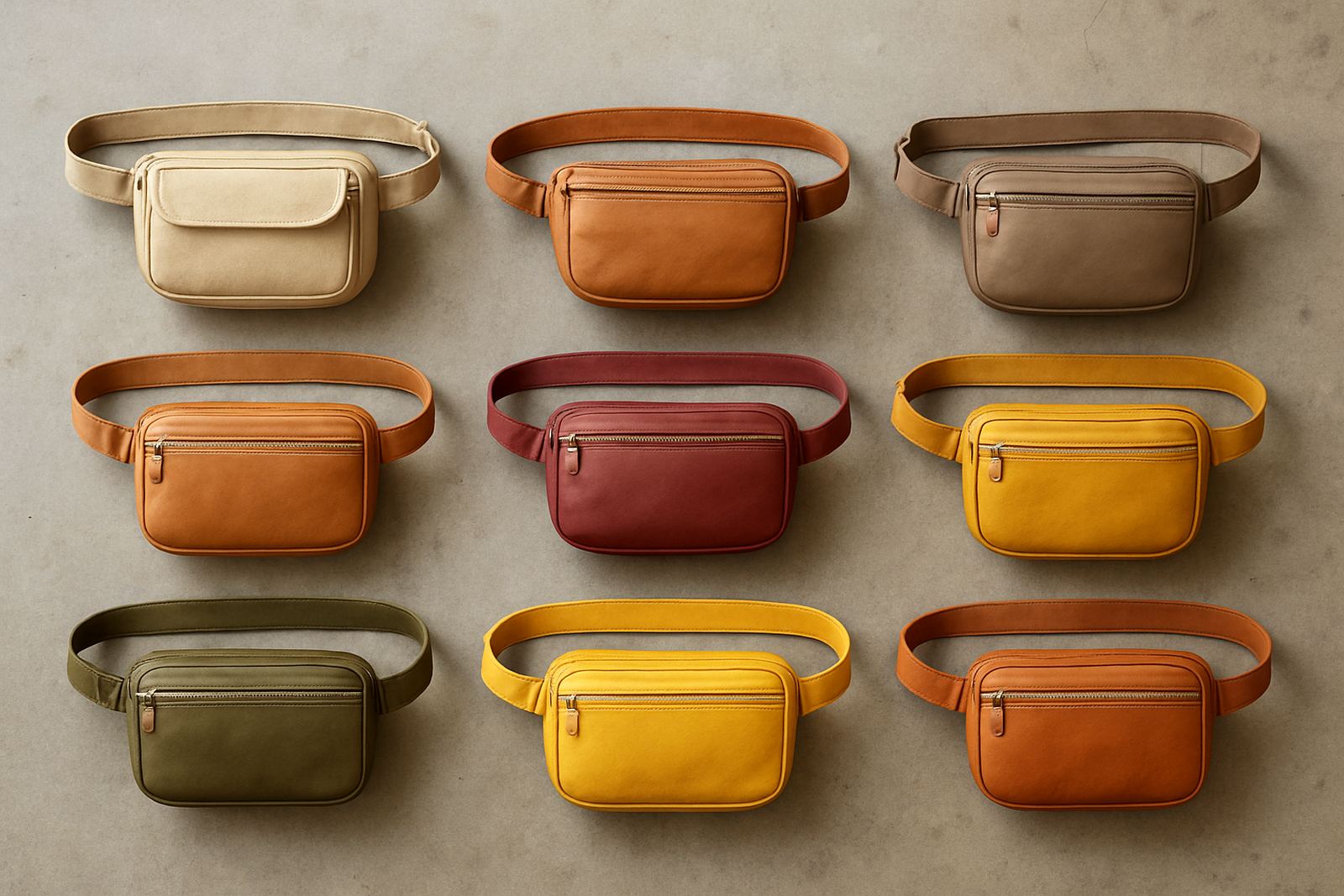
For a classic waist wear look, a flatter body profile usually feels better than a boxy one. Leather gives a firmer shape and a cleaner finish, while canvas can be a bit softer and lighter in feel. In humid coastal areas such as Gqeberha or Durban, canvas can be a practical choice for everyday use, while leather is often preferred for a more structured look.
- Flat profile: best for comfort under jackets or over light clothing.
- Curved profile: follows the body and helps reduce bounce.
- Wider profile: better for travel days when you need extra room.
Check the Strap Setup Before You Buy
The strap is one of the most important parts of any waist bag. It should adjust easily, hold its setting and feel smooth against clothing. A strap that is too narrow can dig in when the bag is full. A strap that is too wide may look bulky on smaller builds. The best fit usually comes from a strap that adjusts from snug waist wear to crossbody wear, so you can change the carry style depending on the day.
Look at the buckle or clip, the length range and whether the strap stays tight once adjusted. If you plan to wear the bag over a coat in winter, make sure there is enough length. If you mostly wear it over a T-shirt, a shorter range may be enough. Check the stitching at the strap joins too, because that is where strain often shows first.
- Adjustable range: should fit over light and thicker clothing.
- Secure fastening: should not slip once set.
- Strap width: enough support without feeling clumsy.
- Join points: neat stitching and no loose threads.
Fit It Properly for Walking, Sitting and Queueing
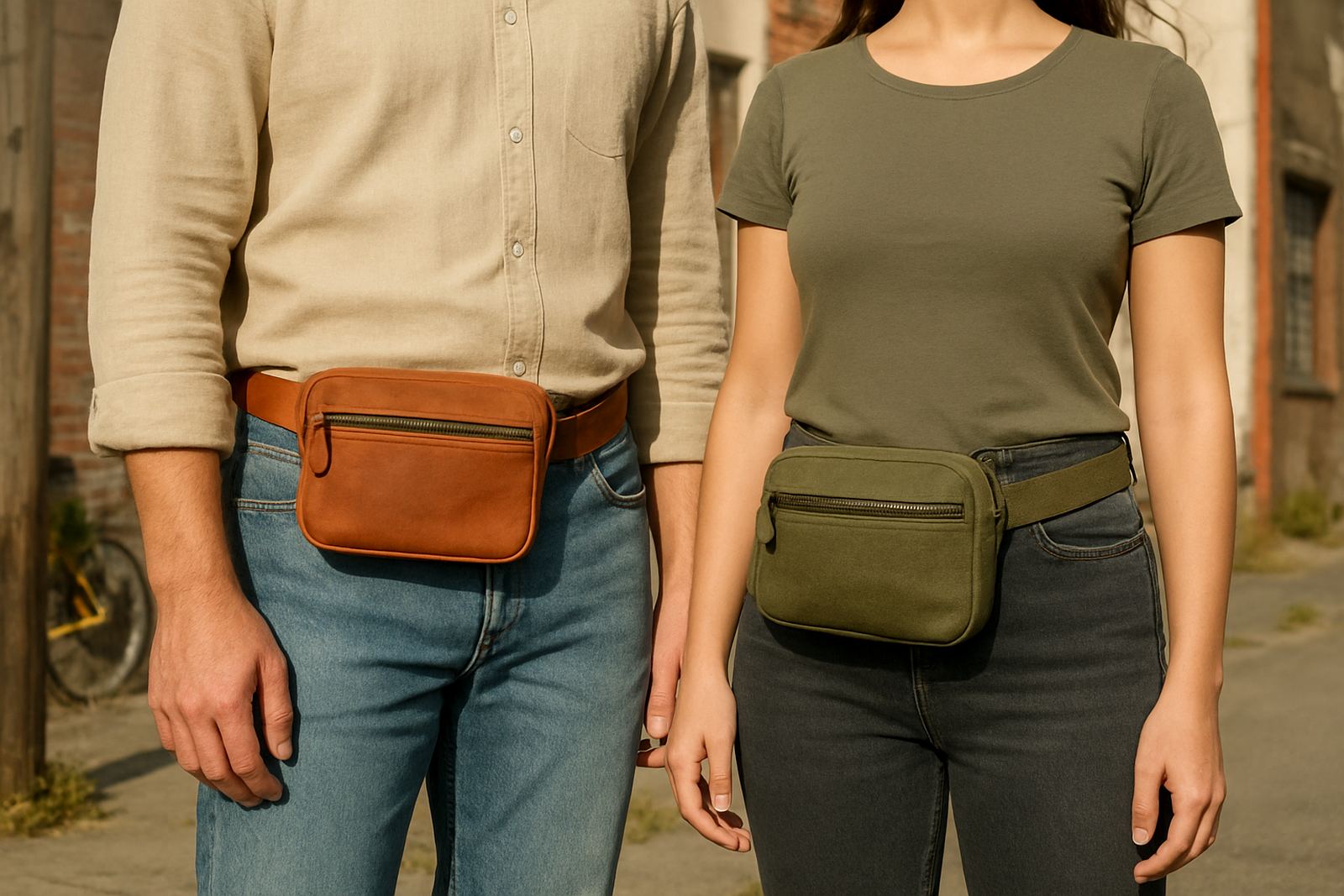
A waist bag should feel stable when you move, not swing from side to side. Fit it so the bag rests close to the body and the strap sits level. When worn at the front, it should not press into your stomach when you sit. When worn at the side, it should not twist as you walk. If you wear it across the chest, test whether the strap slides on your shoulder or stays in place.
Try a simple fit check at home before you go out. Load the bag with the items you normally carry, then walk around, sit down and bend slightly forward. If it shifts too much, the strap may need tightening or the shape may be too large for your frame. A good fit should let you move naturally without thinking about the bag every few minutes.
- Walk test: no bouncing or swinging.
- Sit test: no pinching at the waist.
- Reach test: zips and pockets should stay easy to use.
Use a Simple Packing Checklist
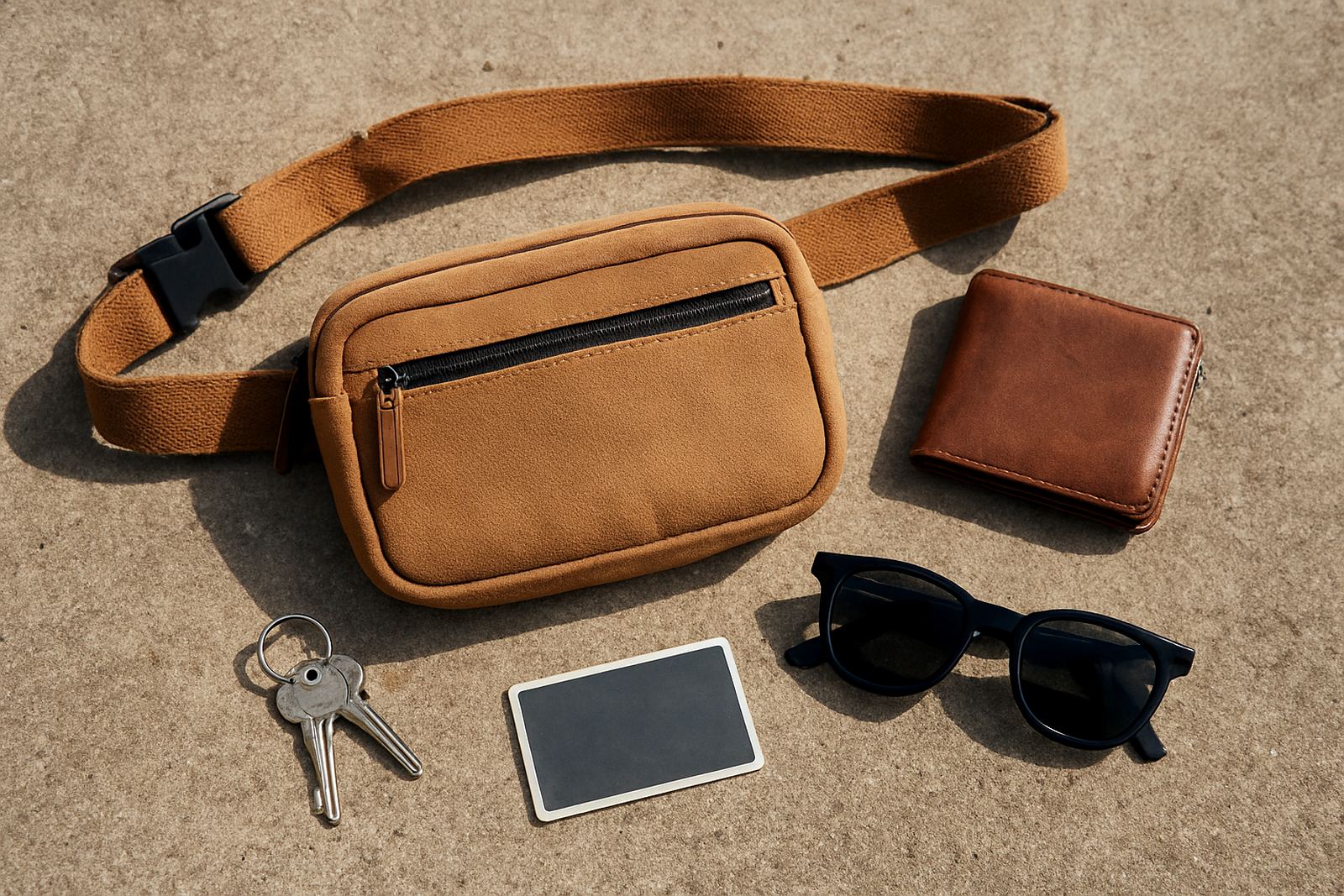
Good packing helps the bag keep its shape and makes it easier to find what you need. Start with the heaviest item closest to the body, then add lighter items around it. Avoid overfilling the main compartment because that can stress the zip and make the bag sit awkwardly. If you carry more than the bag can hold, move some items to a jacket pocket or a tote so the waist bag stays light.
For a typical day out in Cape Town or Johannesburg, a small load is often enough. If you are travelling, build a carry list before you pack so nothing gets forgotten. It also helps to use separate pouches for loose items like coins or earphones, since they can get buried quickly.
- Everyday carry: card, keys, phone, lip balm, sanitiser.
- Travel carry: passport, cards, tickets, charger, pen.
- Festival carry: phone, cash, ID, tissues, small snacks.
Care Tips for Leather and Canvas Belt Bags
Leather and canvas both last longer when they are kept clean and dry. In Cape Town winters or Durban humidity, let the bag air out after use instead of sealing it in a damp cupboard. If it gets dusty, wipe it gently with a dry cloth. For light marks, use only the care method suited to the material and test on a small area first. Do not soak the bag or leave it in direct sun for long periods.
Check the stitching, zip teeth and strap edges every so often. If you spot wear early, it is easier to sort out before it becomes a bigger problem. A little care goes a long way, and it helps the bag keep its shape for festivals, workdays and weekends away. Luyanda and the team at BeltBags can help with strap fit advice, leather care support and stitching assessment through the enquiry form on our contact page.
- Keep away from prolonged moisture and direct heat.
- Empty the bag after dusty or wet use.
- Inspect zips, seams and strap points regularly.