
Start with how you use it day to day
Before you choose a belt bag, think about where it will go with you most often. A bag that works for the MyCiTi stop, a quick Woolies run, and a Saturday market in Woodstock should carry the basics without feeling bulky. If you only need your phone, cards, keys and lip balm, keep it compact. If you also carry sunglasses, a power bank, wet wipes or a small notebook, choose a roomier shape with a proper main compartment.
For daily use, comfort matters just as much as style. A bag that sits flat against the body is easier to wear while walking through town, standing in queues, or moving between meetings. It also helps when you are driving and need quick access without digging around at the traffic light.
Choose the right size for your routine
Most people buy too small or too large on the first try. A compact belt bag suits light carry and neat outfits. A medium size gives more flexibility for travel days, long commutes and the kind of carry that changes through the week. If you often move between office, school run and shops, a slightly larger shape is usually better than cramming everything in.
Check the internal space against what you really pack. Measure your daily items at home if you need to. A phone cover, sunglasses case and card wallet may take more room than expected. When a bag is too full, the zip gets stressed and the shape starts to pull unevenly.
- Small: phone, cards, keys, tissues
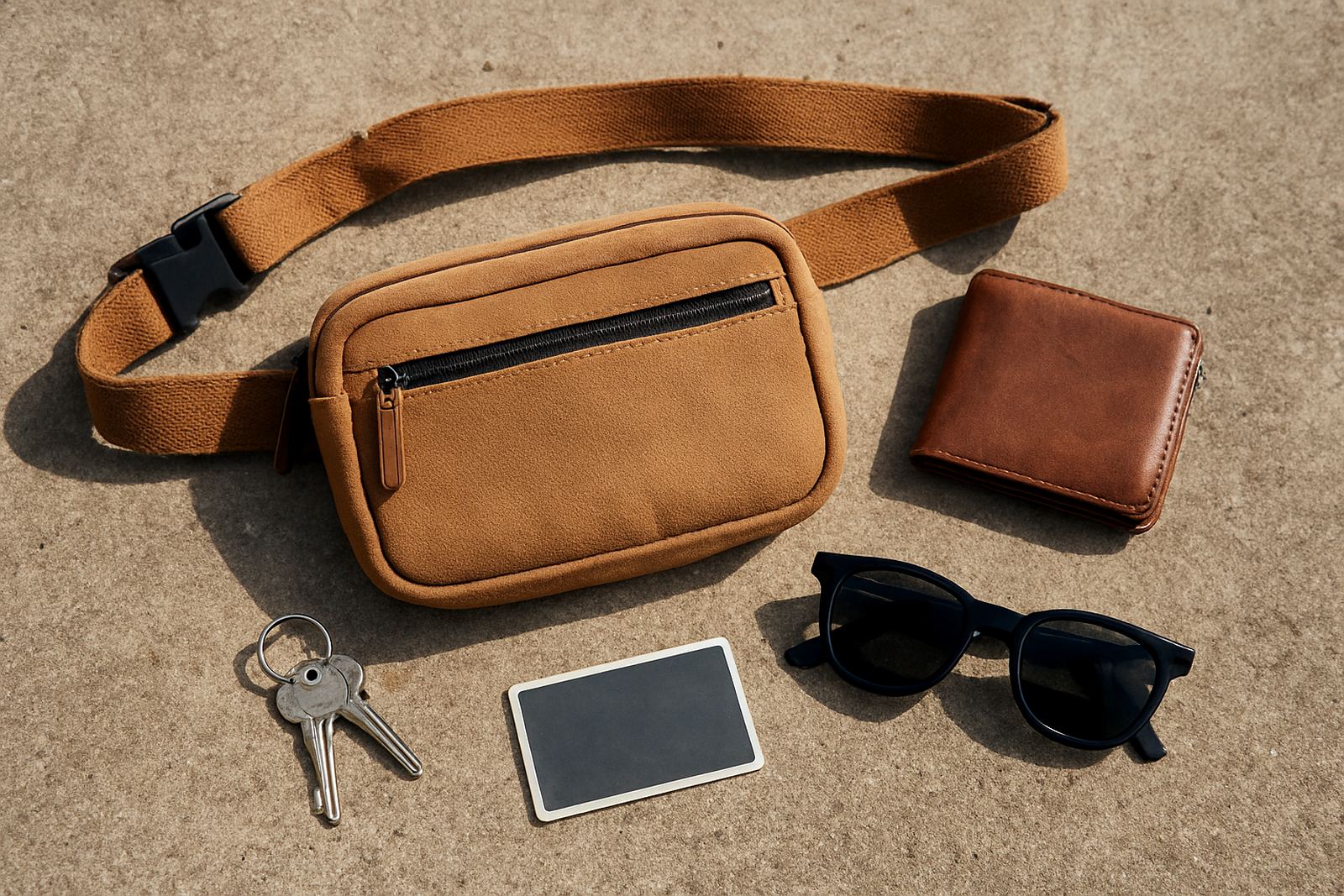
- Medium: phone, wallet, sunglasses, small hand sanitiser, charger cable
- Roomier: all of the above plus power bank, notebook or snack
- Good test: if you need both hands to close it, it is already too full
Pick materials that suit South African conditions
Leather and canvas both have a place in everyday carry. Leather gives a cleaner look and can wear well with regular care. Canvas is lighter and suits casual use, especially if you are outdoors often or want a softer feel against clothing. In coastal areas like Cape Town, Gqeberha and Durban, salty air and humidity can affect materials over time, so proper storage matters. Keep your bag dry and out of direct sun when not in use.
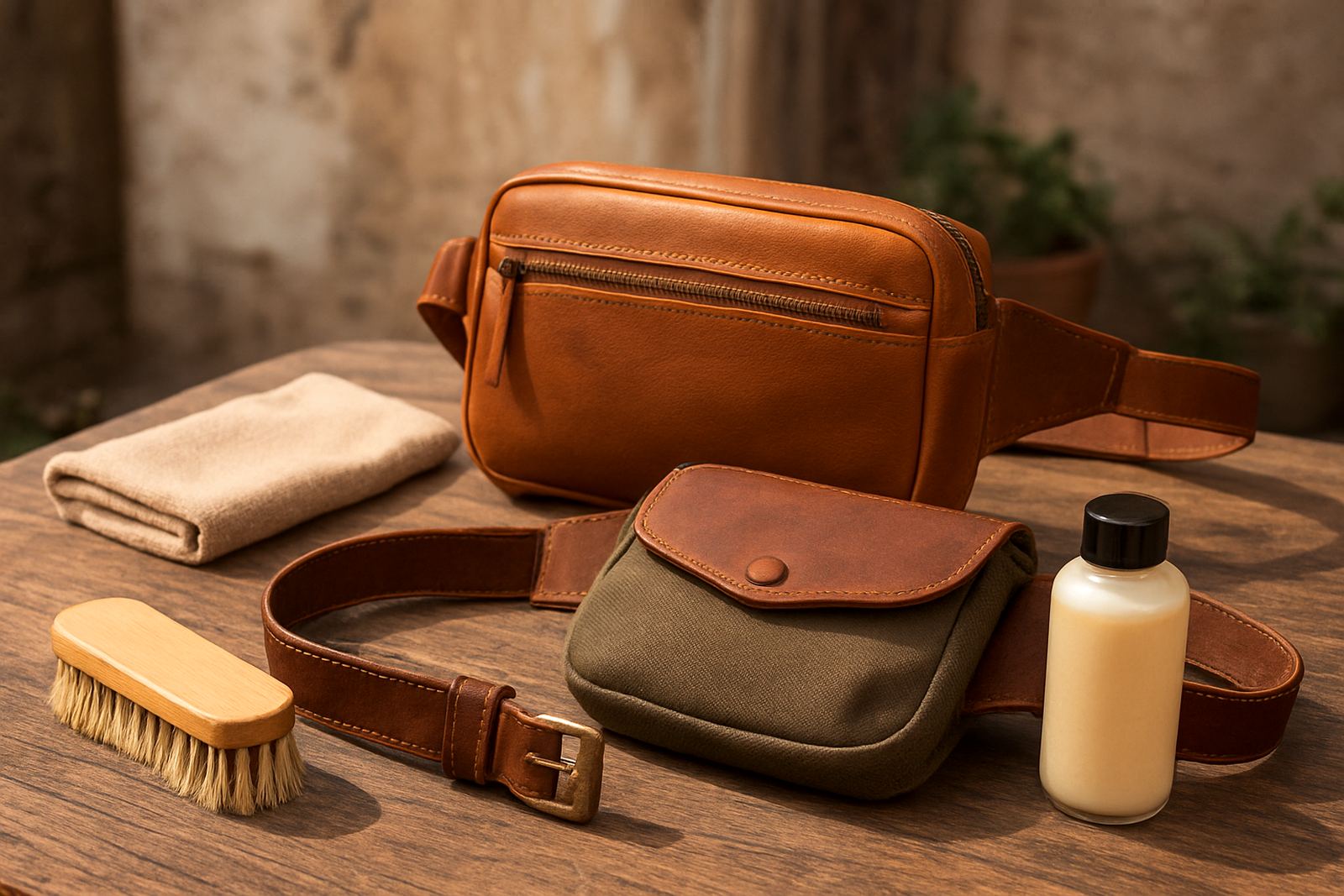
If you travel between hot pavements, air-conditioned shops and the car, look for a finish that is easy to wipe down. For leather, use a dry cloth first and avoid soaking it. For canvas, shake out dust and treat marks early before they set. A little care goes a long way and saves you from replacing a bag too soon.
Fit and strap checks before you buy
A good everyday bag should sit comfortably whether you wear it around the waist or across the body. The strap should adjust easily and stay put without digging in. If the buckle or clip sits awkwardly on your hip, it will irritate you after a few hours. Try it on with the jacket or hoodie you normally wear, because fit can change with thicker clothing in winter.
For commuting and market days, you want quick access plus security. The bag should open easily with one hand, but not swing around while you walk. If you carry on public transport or move through crowded spaces, a close fit is safer and more practical.
- Check that the strap adjusts far enough for your waist and cross-body wear
- Make sure the zip opens smoothly without catching
- Test the bag when full, not only when empty
- Confirm the base sits flat and does not twist
What to keep inside and how to pack it
Simple packing makes daily carry easier. Keep the items you use most often at the top or in the quickest pocket. That way you are not emptying the whole bag at the till, in the taxi or at the school gate. A clean layout also helps you notice if something is missing before you leave home.
Use this checklist for everyday use:
- Card wallet or ID
- Phone and charging cable
- Keys on a clip or ring
- Small sanitiser
- Sunglasses or reading glasses
- Tissues or wipes
- Loose change for parking or tolls
If you carry medication or fragile items, use a separate small pouch inside the bag. It keeps things organised and stops hard items scratching your phone or glasses. For school runs and errands, this small habit saves time every single day.
Care tips to keep your bag looking good
Daily wear shows up quickly on belt bags if they are not looked after. A quick wipe after a dusty day in the car or a market visit can make a big difference. If you spill something, clean it as soon as you can rather than leaving it for later. That is especially important for leather, which can mark if liquid sits too long.
Use these simple care steps:
- Empty the bag once a week and check the lining
- Brush off dust before storing it
- Keep it away from heaters and direct sun for long periods
- Let damp canvas dry naturally, never on a hot surface
- Condition leather only when needed and use a soft cloth
In summer, sweat and heat can build up faster around the strap area. A quick clean after heavy use keeps the material in better shape and helps the bag last through more seasons.
When to choose a different style
Sometimes a belt bag is not the right everyday option, and that is fine. If you need to carry a water bottle, tablet or work documents, you may need a larger carry solution for those days. If you are mostly moving light, though, a well chosen belt bag is hard to beat. It is neat, easy to reach and does not get in the way when you are walking, shopping or getting on and off transport.
Think of it as a daily companion for your essentials, not a catch-all. The best choice is the one that fits your routine now, not the one you hope will do everything. That approach keeps your bag useful from weekday errands to weekend trips without wasting space.
If you are unsure between sizes or materials, it helps to compare your usual loadout and the places you go most often. A practical match will feel right from the first week, not after months of forcing it to work.