
Start With the Main Zip and Count the Compartments
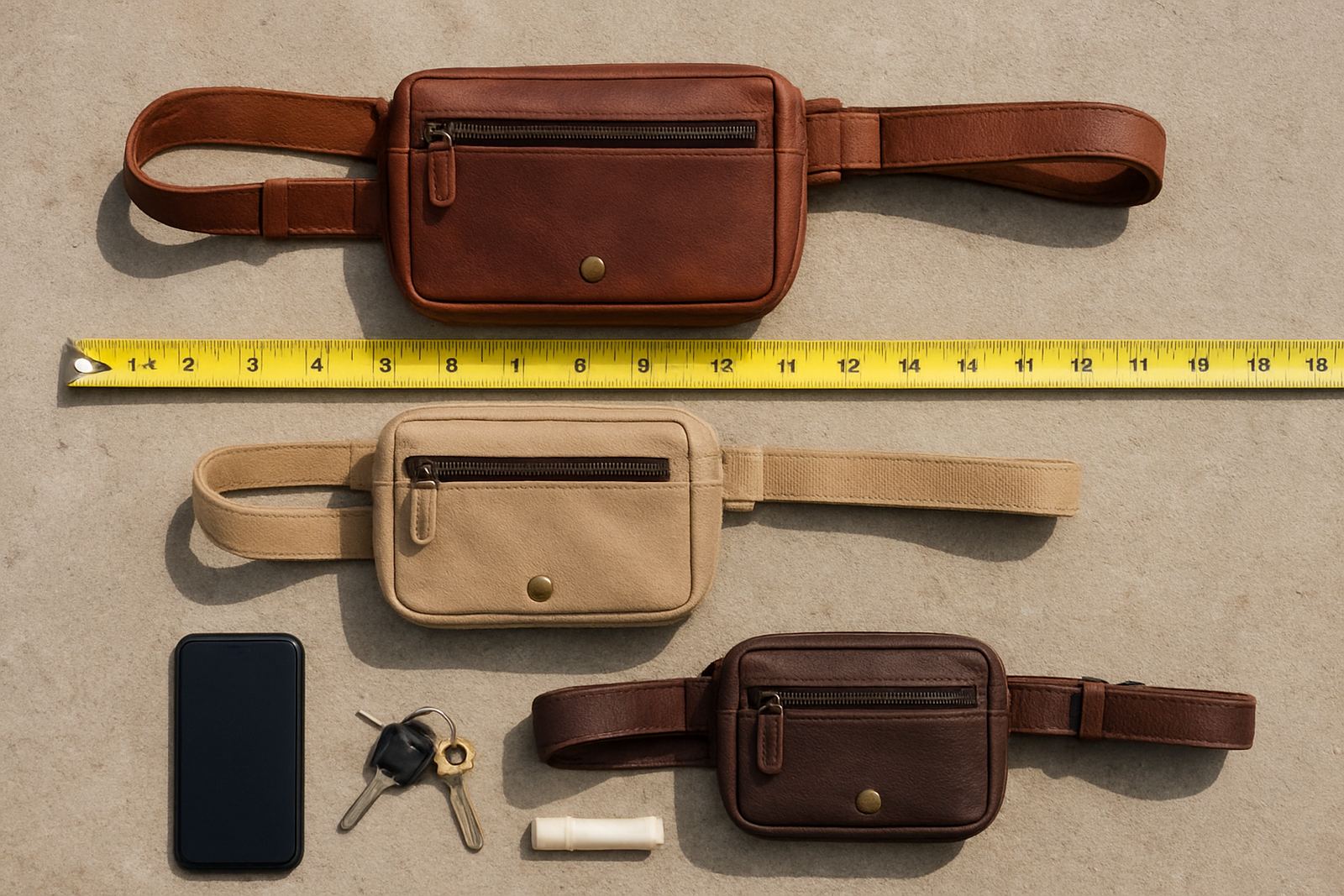
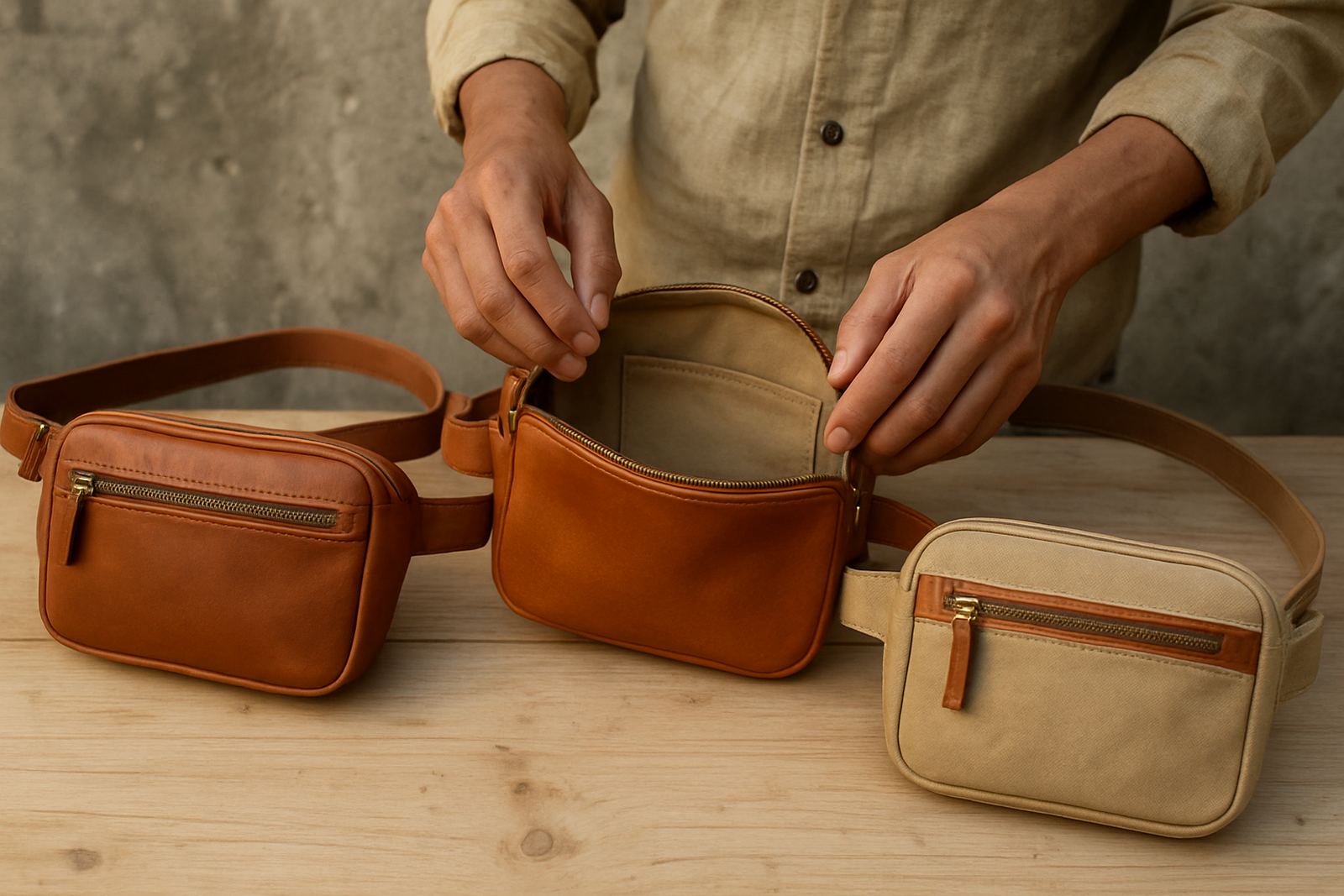
When you look at a belt bag, begin with the main zip. That is usually the largest opening and the place for items you need to reach most often. Some bags have one main compartment only, while others add a front zip, a rear zip, or a small inside pocket for separating valuables. The number of zips matters, but so does the shape of the compartment and how far it opens.
A wider zip opening is easier when you are packing sunglasses, a compact wallet, or a small power bank. A slimmer opening can feel neater and more secure for travel days or when you are standing in a queue. In humid places like Durban or Gqeberha, a compartment that opens fully also helps you check for damp items before they are stored too long.
- Check how many zip sections the bag has
- Look at whether the main compartment opens wide or narrow
- Feel for any lining inside, especially if you carry coins or keys
- Test whether the zip glides smoothly from end to end
Match Each Pocket to the Right Item
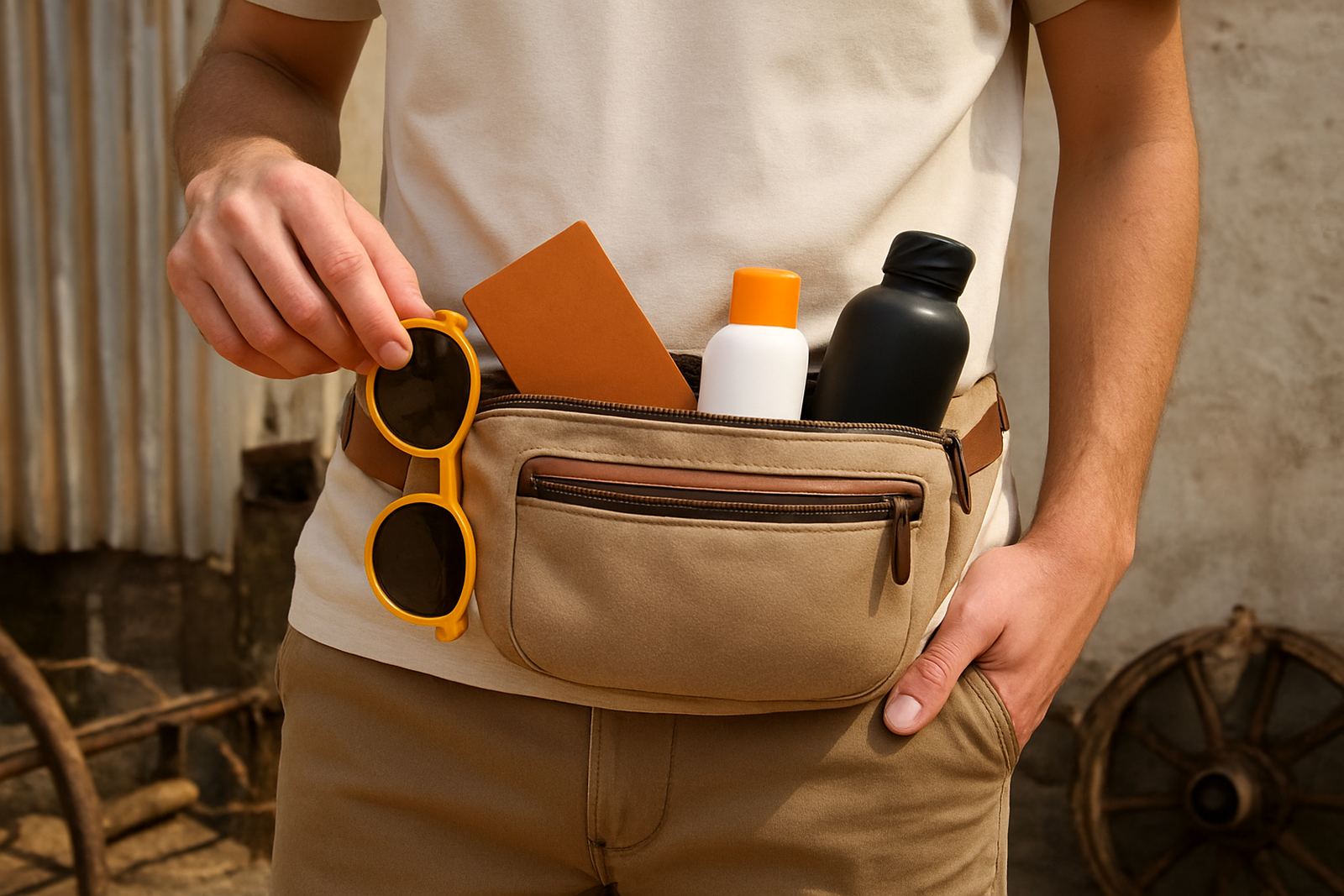
Good pocket use saves time. The main compartment should take the bulk of your carry, such as a phone, compact wallet, tissue pack, lip balm, or sunglasses in a sleeve. Smaller zips are better for items that need separation, like cash, cards, earphones, medication, or a house key. If a pocket is too tight, use it for flat items only so the zip does not strain.
For festivals in Cape Town or Johannesburg, many people prefer a layout with one quick-access pocket and one secure pocket. That way the items you use often stay easy to reach, while the more important items stay tucked away. If you travel by taxi, train, or on foot, keep valuables in the zip nearest your body. It is a simple habit that helps when you are moving through busy spaces.
- Quick access pocket: tissues, cards, lip balm, earphones
- Main pocket: phone, wallet, small power bank, sunglasses
- Secure rear pocket: cash, ID, keys, medication
- Avoid overfilling one zip and leaving the others empty for no reason
Choose a Zip Setup for Festivals, Travel or Daily Carry
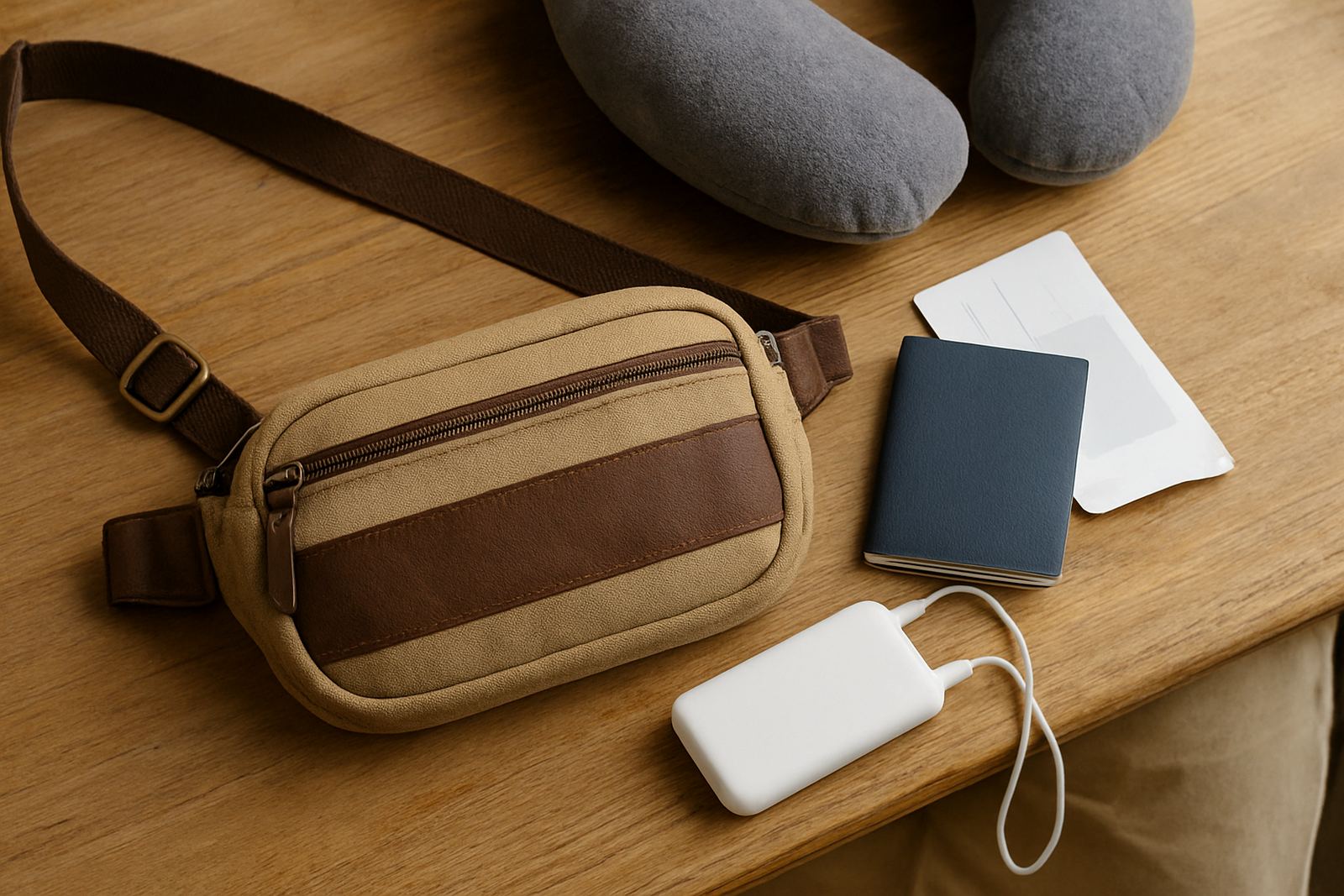
Different routines need different pocket layouts. For festivals, a two or three zip setup is useful because it lets you separate tickets, cash, and your phone. For travel, especially when you are moving through airports or long-distance buses, a rear pocket against the body is handy for documents and cards. For daily carry in Woodstock or Stellenbosch, a simpler layout may be enough if you only need the basics.
Think about what you reach for most often during the day. If you are outdoors a lot, choose a bag with a front zip that opens easily without swinging the whole bag open. If you are at markets or events, consider how quickly you can put one hand on the zip and close it again. Small details like that matter when the space around you is busy.
- Festival use: separate cash, phone, and entry items
- Travel use: secure back pocket for documents and cards
- Everyday use: one main pocket and one small zip may be enough
- If you carry bulky items, avoid layouts with too many small sections
Check the Zip Quality Before You Pack It Full
A strong zip is more than a nice extra. It affects how well the whole bag works. Run the zip open and shut a few times before loading the bag. It should move evenly without catching on the lining or snagging at the corners. If the pull tab feels loose or the teeth do not meet properly, the pocket may be hard to trust once the bag is full.
For leather and canvas belt bags, keep an eye on the seams around the zip ends. That is where wear usually starts if the bag is overpacked. In dry winter weather, a zip can feel stiff, while in coastal areas it may pick up grit or salt residue. A quick wipe with a dry cloth now and then helps keep it moving properly.
- Open and close each zip several times before first use
- Check for snagging at the ends and corners
- Look at the stitching around the zip track
- Keep zips clear of sand, lint and loose threads
Pack So the Bag Stays Flat and Comfortable
A belt bag works best when the weight is spread properly. Put flatter items toward the body and heavier items lower in the main compartment. That helps the bag sit better across your waist or over the shoulder. If you place everything in one corner, the bag can tilt and feel awkward after a few hours. That matters on long days out, especially if you are walking a lot or using public transport.
If the bag has more than one section, use the smallest compartment for the lightest items first. Then test the fit by closing every zip and moving around a little. Sit, stand, bend and turn. If the bag bulges too much, take one item out and try again. A well packed belt bag should close without strain and still leave enough room to get to your items quickly.
- Flat items closer to the body
- Heavier items low in the main compartment
- Small pockets for light, flat essentials only
- Do a quick movement test before you leave home
Simple Care Steps for Zips, Lining and Stitching
Taking care of the pocket layout is part of keeping the whole bag useful. Empty crumbs, sand and loose coins after use, then shake out the lining if needed. For canvas bags, a soft brush can help remove dust from the zip area. For leather bags, wipe the exterior gently and avoid soaking the zip section. If a zip begins to stiffen, do not force it. Check for trapped fabric or a bent pull tab first.
Use this quick checklist every few weeks, or after a busy trip. It takes less than a minute and can save you from a broken zip when you need the bag most.
- Empty every pocket and check the lining
- Remove sand, coins and lint from the zip track
- Look for loose stitching around the pocket edges
- Confirm that each compartment still closes cleanly
- Store the bag uncompressed so the pockets keep their shape