
Why Zip Care Matters On A Busy Day
A zip does more than close a bag. It protects what is inside, keeps the shape neat, and makes the bag easier to use when you are moving quickly through a taxi rank, a festival gate, or the airport queue in Cape Town. When a zip starts sticking, the whole bag feels less reliable and that usually gets worse if it is ignored.
Most zip trouble starts with small things like dust, sand, lint, or too much strain on the puller. In South Africa, that can mean beach sand in Durban, fine dust in Pretoria, or bits of thread and lint from regular daily carry. The good news is that a little care goes a long way and does not take much time.
- Check the zip before and after heavy use, especially if the bag has been packed tight.
- Keep the zip track clear of crumbs, grit and loose threads.
- Do not yank the puller if it feels stuck, work it back gently instead.
Clean The Zip Track Before It Starts Catching
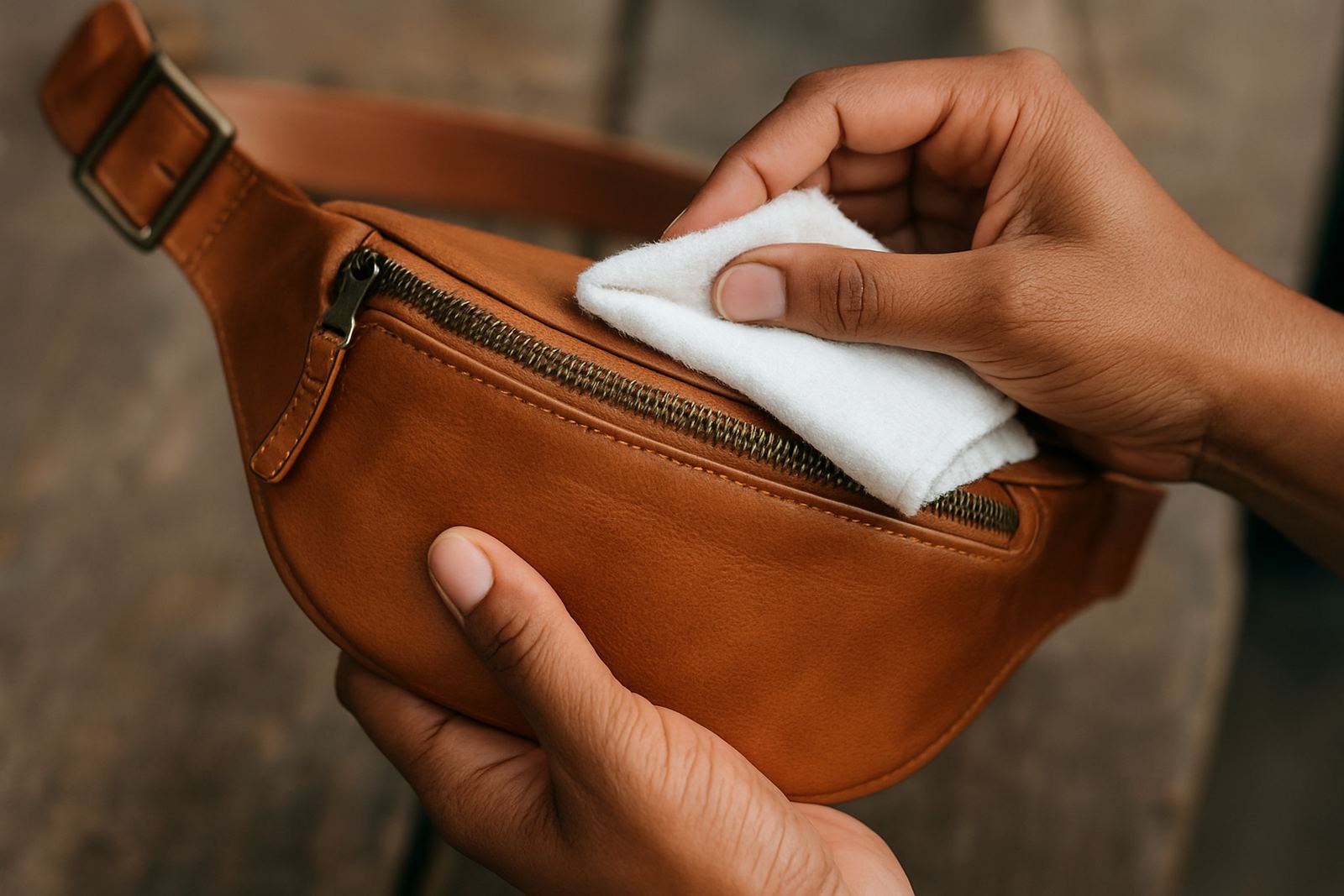
Cleaning is the first habit that helps most. If the teeth or coil are dirty, the slider has to work harder and that creates wear over time. A soft dry brush, clean cloth, or a small hand brush can remove loose dirt from the zip track without harming the bag. For canvas bags this is especially useful after a dusty weekend or a market trip in Stellenbosch or Somerset West.
If the zip has picked up sticky marks, wipe the area lightly with a barely damp cloth and dry it straight away. Do not soak the bag or use harsh chemicals, because that can affect the material around the zip and make the problem worse. Keep it simple and focused only on the zip area.
- Brush along the zip teeth in one direction to lift dirt out of the track.
- Use a dry cotton bud for corners where dust collects near the stopper.
- Dry the area fully before closing the bag again.
Use The Puller Gently And Avoid Side Strain
The puller is often the first part people grip without thinking. If you tug at an angle, or hold the bag body while forcing the zip closed, the slider can twist and start catching. A straight pull is always better. When the bag is full, ease the contents into place first so the zip does not have to fight against pressure from inside.
This matters even more on bags used for travel or long days out. A packed bag from Johannesburg to Gqeberha can end up with charger cables, keys, sunglasses and a water bottle all pressing against the zip line. If the bag is overfilled, the best fix is to reduce the load a bit rather than forcing the zip shut every time.
Try these habits to reduce strain:
- Hold the bag steady with one hand and pull the zip in a straight line with the other.
- Do not use the puller as a lifting point when carrying or hanging the bag.
- Leave a little space inside the bag instead of packing it tight to the top.
Look After Metal And Fabric Zips In Different Weather
Leather and canvas bags can both face weather changes that affect the zip. Coastal humidity in Durban can make metal parts feel a bit sticky, while dry inland conditions can bring dust into the track. If you use your bag often, it helps to check the zip more regularly in summer and after rain.
Metal zips may need a light wipe so they do not gather moisture or residue around the slider. Fabric zips can trap more lint, so they need regular brushing. Either way, the goal is the same: keep the movement smooth and avoid unnecessary pressure on the teeth. If the bag has been rained on, dry it fully before putting it away so the zip area does not stay damp.
- After wet weather, open the zip and let air reach the whole track.
- Keep bags out of direct heat for long periods, especially near heaters or in closed cars.
- Wipe salt spray off after time near the coast, then dry the zip area properly.
Spot Early Warning Signs Before They Become Repairs
Most zip issues give warning before they fail. You may feel a rough patch, hear a scraping sound, or notice that the slider opens a little after closing. That is the right time to act. If you wait until the zip splits open or the puller bends, the repair becomes harder and the bag may be out of use for a while.
For people carrying bags to work, festivals or weekend markets, a quick monthly check is worth doing. Open and close the zip a few times and feel for any uneven movement. If something seems off, sort it out before the next outing. That is especially useful if the bag has had heavy use, because small faults grow quietly.
- Check whether the slider grips the teeth evenly from end to end.
- Watch for loose stitching around the top edge of the zip.
- Make sure the zip stop is secure and not lifting away from the fabric.
When To Ask For A Zip Check
Some problems can be handled at home, but not every zip issue should be forced. If the slider keeps slipping, the teeth will not close, or the stitching around the zip has started to open, it is time to get the bag checked. A small fix now can save the rest of the bag from extra wear.
If you are ordering a bag as a gift or planning bulk purchases for a team, it also helps to think about zip use from the start. The right size opening and a well-fitted strap can reduce strain on the zip, especially for everyday carry. BeltBags supports customers through the enquiry form on our contact page with style selection help, zip check service, stitching assessment and order tracking help. For buyers in Woodstock, Cape Town and across South Africa, that makes it easier to keep bags in good working order from the first use.
A zip should feel ordinary in the best way. It should do its job quietly, day after day, with as little fuss as possible.