
Start by reading the leather, not the label
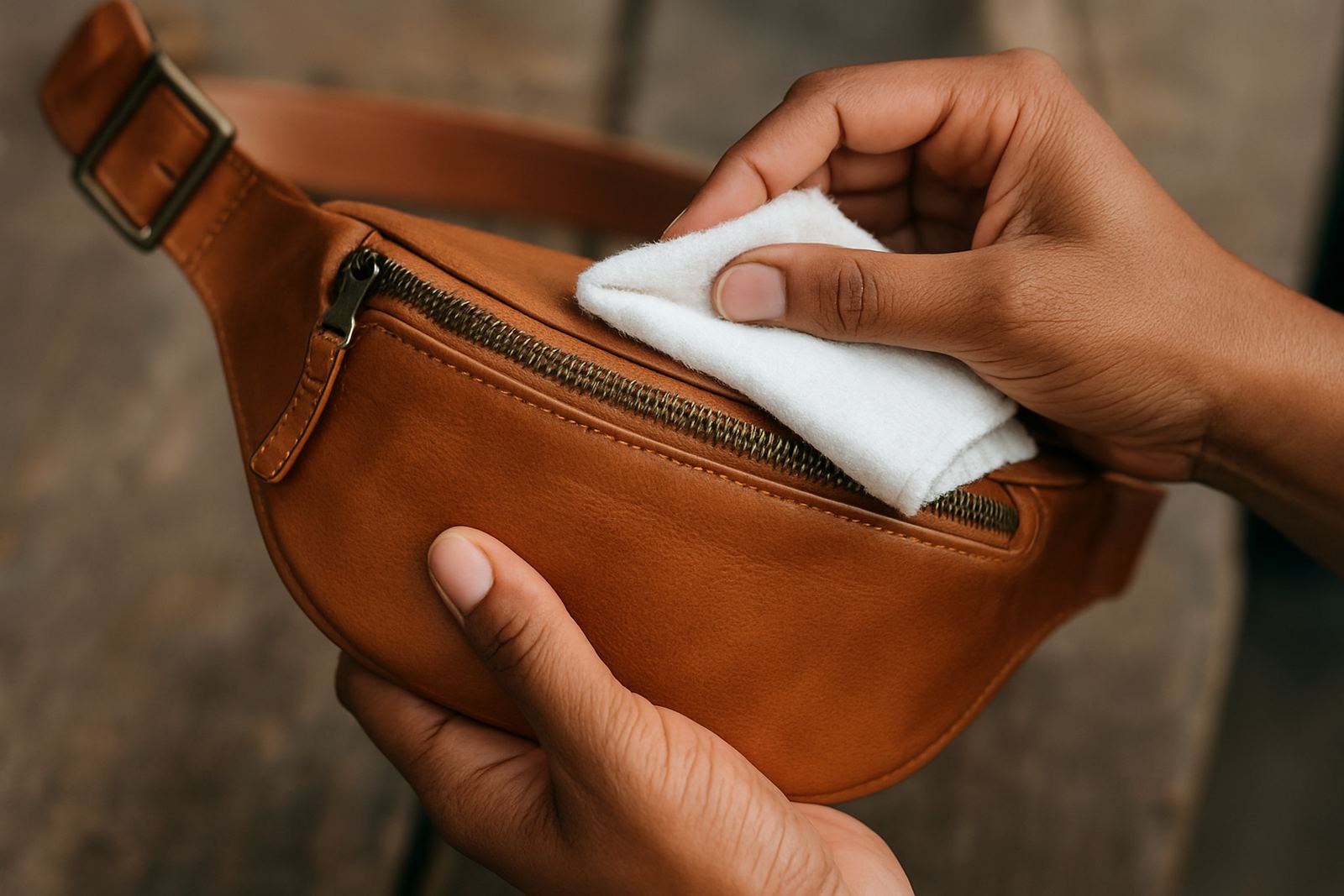
Before you apply anything, look closely at the surface. Smooth leather, pebbled leather and waxed finishes all react differently, so the safest method is to begin with a light clean and a small test area. If the bag has dried mud, salt marks or dust from travel, wipe it first with a soft dry cloth. Do not go straight in with cream or oil, because that can trap grime and push it deeper into the grain.
In Cape Town, especially around Woodstock where sea air and traffic dust meet, leather can look dull long before it is actually damaged. That does not mean it needs a heavy treatment. Often it just needs a gentle wipe, then a small amount of conditioner worked in slowly. If the bag has stitched panels or mixed materials, take extra care around the seams and hardware.
- Use a clean microfibre cloth or soft cotton cloth
- Keep water to a minimum, never soak the leather
- Test any product on a hidden section first
- Check for dye transfer on light clothing or straps
Clean first, then condition in thin layers
Conditioner works best on a clean surface. If the leather has been handled often, wipe it with a barely damp cloth and let it dry fully at room temperature. Avoid placing it in direct sun, on a heater, or in a hot car. South African heat can dry leather faster than people expect, and that quick drying often leaves it stiff at the fold points.
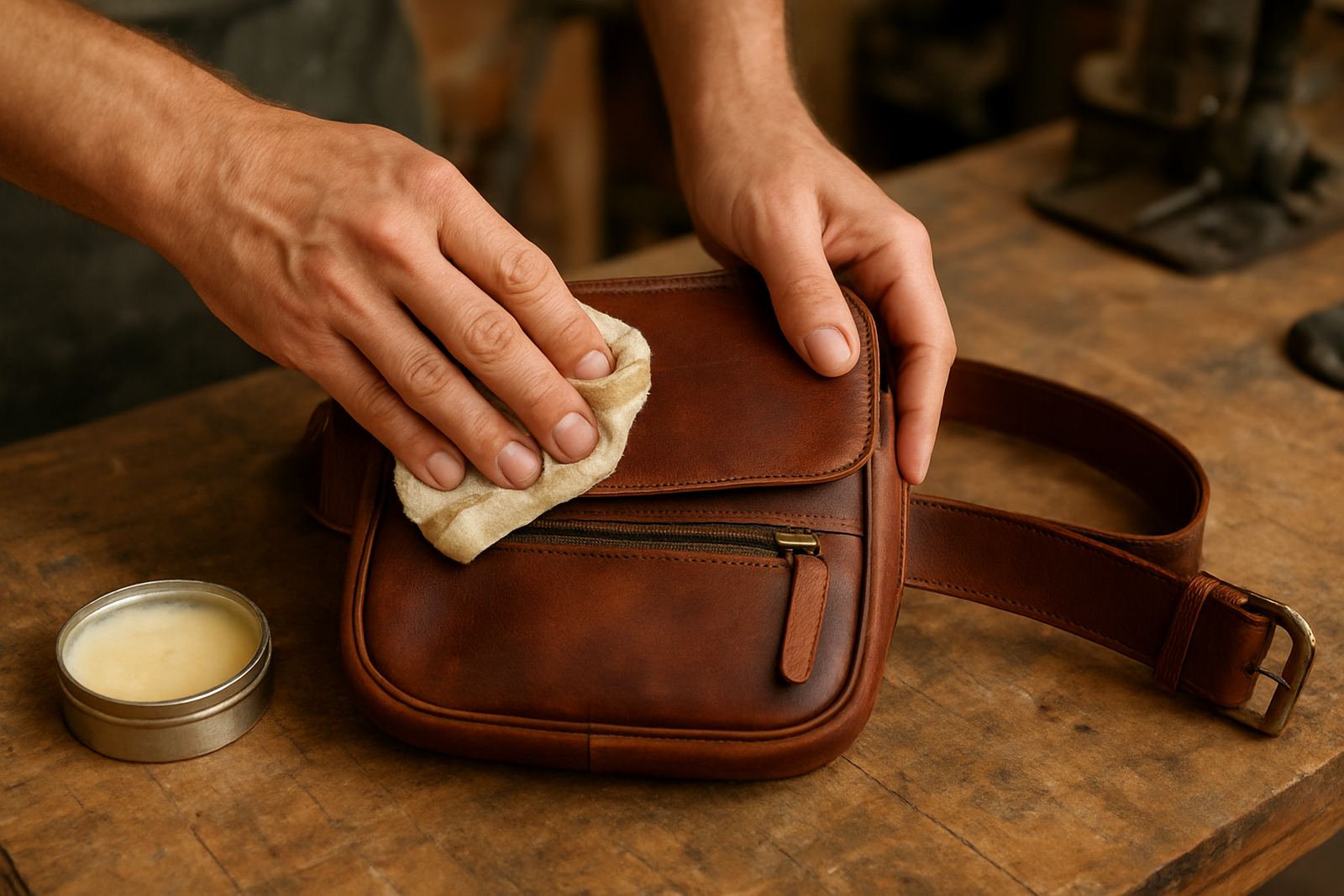
Apply a small amount of conditioner to the cloth, not directly onto the bag. Work it in with slow circular movements, using light pressure. The goal is not to saturate the leather, just to nourish it. If the bag starts to look shiny or greasy, stop there. Too much product can block the pores and make the finish uneven. Let it rest for a few hours before using it again.
A practical rhythm is better than a big once-off treatment. For everyday carry, conditioning every 3 to 4 months is usually enough. If the bag is exposed to coastal humidity, dust or frequent travel, check it a little more often.
- Apply conditioner sparingly and build up slowly
- Wipe off any excess before it dries
- Allow the bag to rest in a cool shaded spot
- Do not use household polish or cooking oils
Look after straps, seams and corners first
Most wear shows up where the bag bends and moves. Strap ends, corners, zipper lines and fold marks need the most attention because they take the most stress. When conditioning, give these areas a little more care but still keep the layer thin. If the leather is creasing sharply, that can be a sign it is drying out or being overfilled.
For festival use and travel, the bag may also pick up sunscreen, hand sanitiser or dust from taxis and public transport. Those products can dry the leather and leave marks if they are left too long. Wipe them off as soon as you notice them, especially near the front flap and the strap attachments. If the stitching looks loose, do not pull at it. Check whether the thread is simply fuzzy or whether it needs a proper assessment before the bag is used again.
- Focus on fold lines, corners and strap anchors
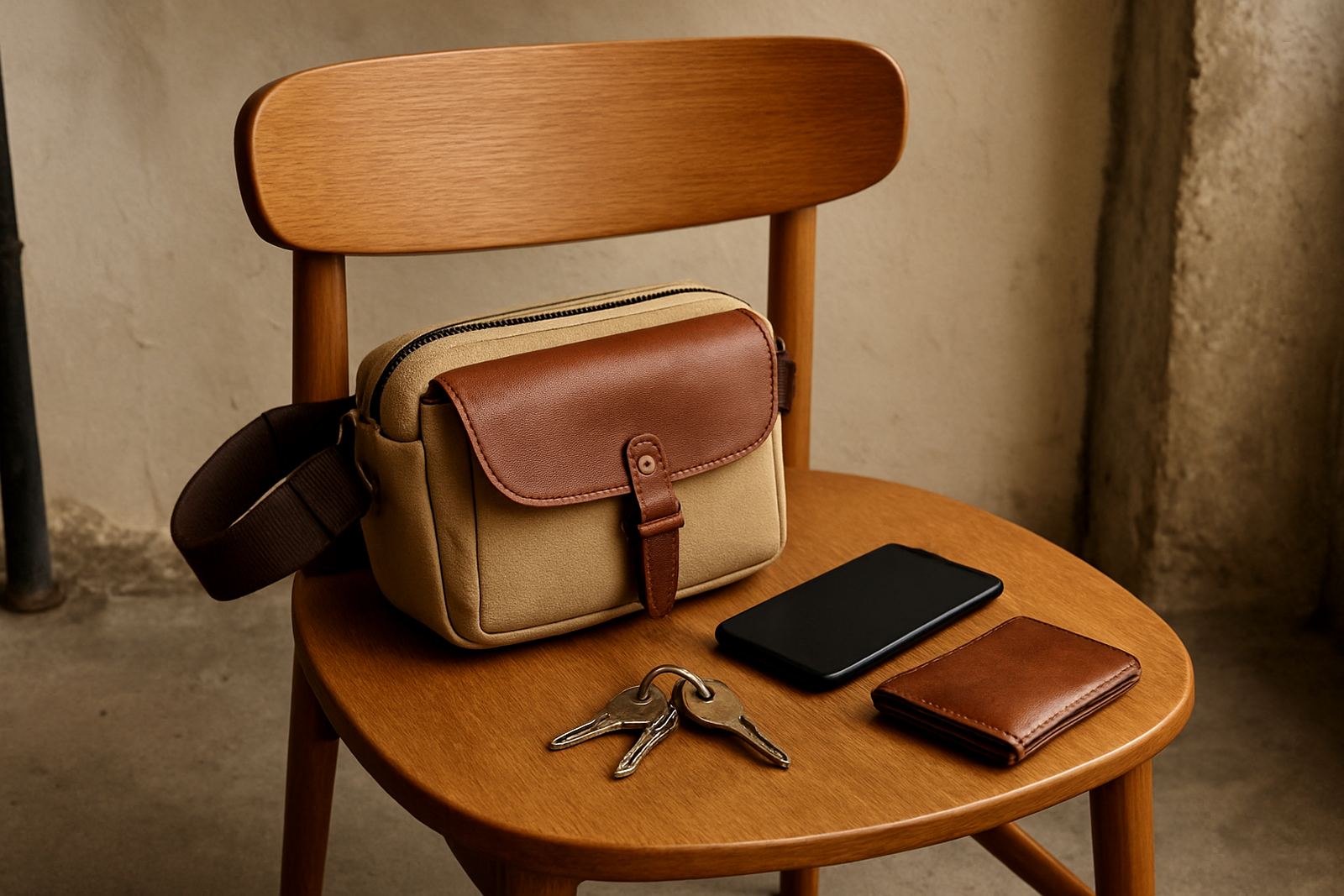
- Empty the bag before treatment so the shape is even
- Keep zips and metal fittings free of excess conditioner
- Store heavy items separately so the leather is not stretched
Dry weather, coastal air and city use all affect the finish
Leather in Pretoria can dry out differently from leather in Gqeberha or Durban. Inland air is often drier, while coastal humidity can leave the surface feeling softer at first but more prone to salt build-up over time. In both cases, gentle care matters more than frequent heavy treatment. A bag that is conditioned too often may become limp, while one that is ignored can crack at stress points.
If you carry your belt bag every day, keep a simple habit: wipe it after busy days, empty it properly, and check the strap adjustment. A bag that is always overstuffed will age faster than one that carries only what it needs. For travellers moving between Cape Town and Johannesburg, this is useful because different climates can change how the leather feels in a matter of days.
It also helps to store the bag with paper inside so it holds its shape. Use plain paper, not newspaper, and keep it in a breathable dust cover or cotton bag. Plastic storage traps moisture and can lead to musty smells, especially in humid months.
A simple maintenance routine for busy weeks
You do not need a long routine to keep leather in decent shape. A few minutes every couple of weeks can make a big difference, especially if the bag is part of your daily carry. Think of it as routine upkeep rather than repair work. Once marks set in, they are harder to shift.
Here is a basic approach that suits festival seasons, school runs and workdays alike:
- Dust off the surface with a dry cloth
- Check the base for scuffs and salt marks
- Wipe straps where they touch clothing and skin
- Condition lightly when the bag starts to feel dry
- Leave the bag open for a few hours after use if it got damp
If the leather smells stale after rain or travel, do not hide it in a cupboard straight away. Let it air out in shade first. A little patience usually works better than strong cleaners.
When to ask for help with wear or damage
Some signs should not be brushed off. Deep cracking, peeling surface layers, broken stitching, sticking zips or a strap that feels unsafe all need proper attention. A good leather bag can last for years, but only if damage is caught early. If the finish has gone patchy or the leather has been over-conditioned, it may need a more careful assessment than a quick home fix.
For shoppers in Woodstock, Stellenbosch, Somerset West and across South Africa, it is worth checking the bag before gifting it or packing it for a trip. A clean, conditioned belt bag looks better and wears better, but the work must be gentle. Leather is practical if you treat it with a bit of respect. Not much more is needed.
When in doubt, keep the process simple: clean lightly, condition sparingly and store it well. That approach protects the shape, the colour and the feel of the leather for longer.