
Start with the items you reach for every day
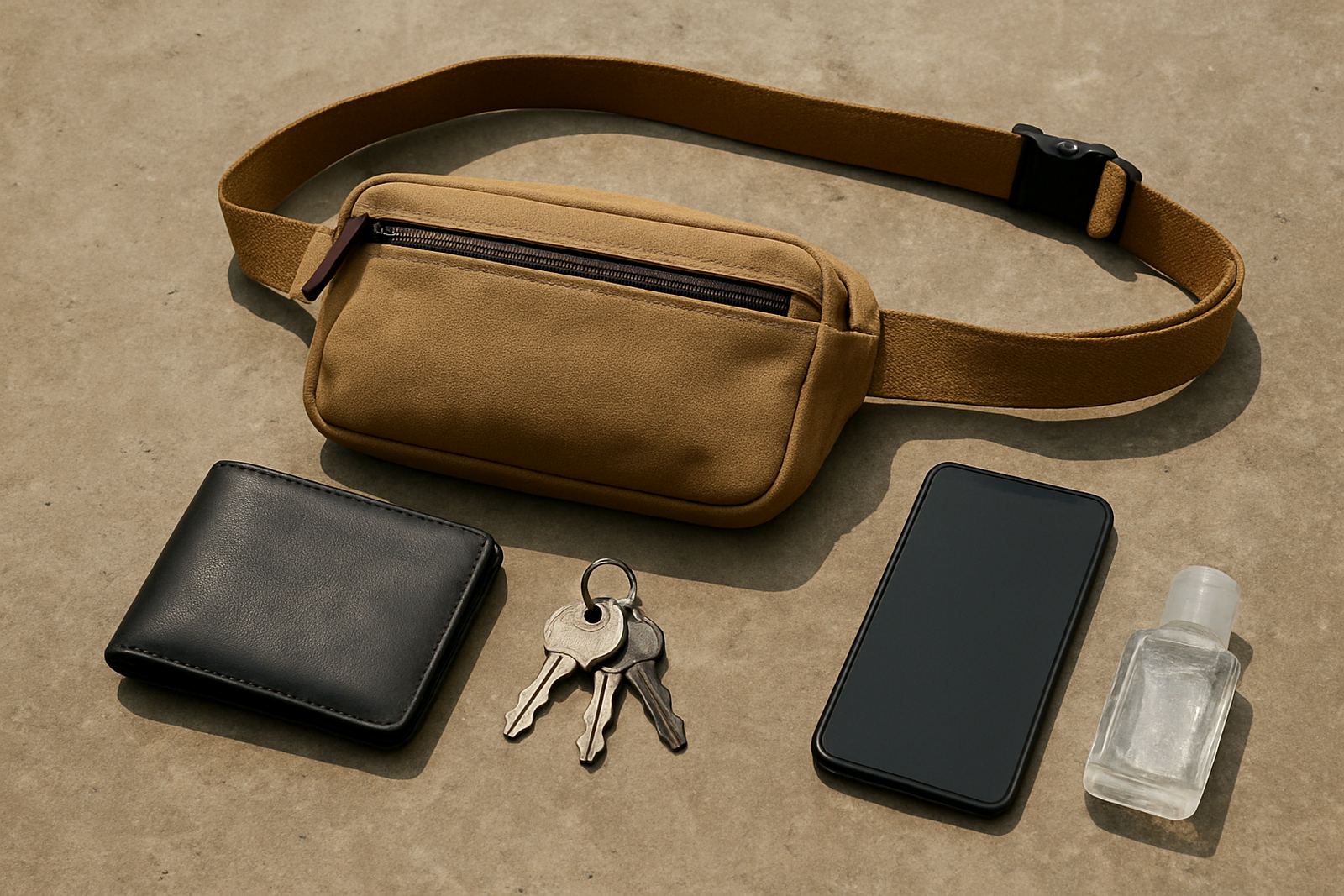
A good daily carry starts with the basics, not the bulk. If you are heading to work in Woodstock, taking the train into town, or moving between meetings in Pretoria, the same small group of items usually does the job: keys, wallet, phone, cards, a charger, and perhaps lip balm or hand sanitiser. Anything beyond that should earn its place.
The aim is to keep weight low and access quick. When people overpack, the bag becomes awkward across the body and slows you down at tills, ticket gates, and parking exits. A compact bag with a clear layout makes a big difference, especially on days when you are in and out of taxis, offices, or festival queues.
- Phone and charger cable
- Wallet or card holder
- Keys on a clip or loop
- Small sanitiser or tissues
- Medication if needed
- Travel card, licence, or work access card
Keep categories separate so you are not fishing around
Organisation is less about clever packing and more about giving each item a place. If loose items all sit in one pocket, you end up digging for keys while someone waits behind you. That is where a few simple divisions help. One pocket for fast access, one for valuables, and one for smaller loose pieces works well for most daily carry setups.
For leather and canvas belt bags, a slim internal sleeve or zipped section is often enough. Put the phone in the easiest pocket, cards in a secure section, and anything sharp, like a key ring, away from items that can scratch. A tidy layout also makes it easier to spot when something is missing before you leave home.
- Front pocket: phone, transport card, small notes
- Middle section: wallet, charger, sanitiser
- Secure pocket: keys, ID, jewellery
- Top or side space: gum, medication, sunglasses cloth
If you carry more than this, it may be worth rotating items by day rather than keeping every possible thing in the bag. That keeps the weight down and saves time when moving between errands.
Choose materials that suit South African weather and use
Daily carry in South Africa has to deal with heat, dust, rain, and coastal humidity. In Durban or Gqeberha, moisture can affect leather if it is left damp in the bag for too long. In Cape Town, wind and sand can work grit into seams and zip tracks. Canvas handles day to day wear well, while leather brings a firmer feel and often holds its shape neatly.
Whatever the material, check the stitching, zip action, and strap attachment points. These parts take the strain when the bag is full or worn for a long day. A well-made belt bag should sit comfortably, stay close to the body, and not twist when you move. It should also be easy to wipe clean after a dusty walk or a wet commute, which matters more than people think.
During load-shedding, many people carry a small torch or power bank. If you do, make sure it sits in a pocket where it will not press against your phone screen or keys. That small detail saves a lot of frustration, and yes it is usually the kind of thing you only notice once the lights are out.
Match the bag to your routine, not just your outfit
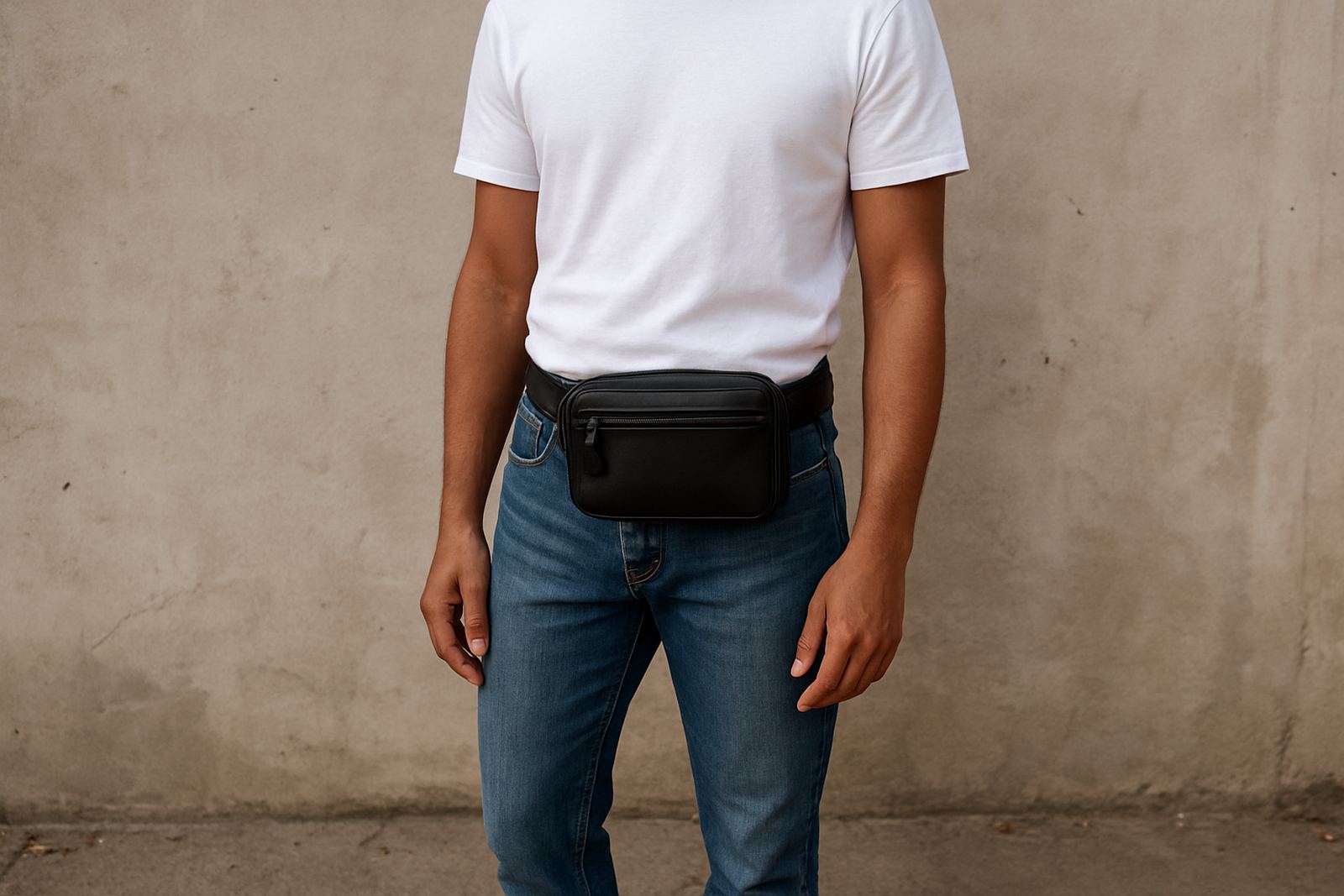
Style matters, but daily carry should still fit how you live. A compact belt bag can work for school runs, office days, gym stops, weekend markets, and travel between towns. If your day involves moving from car to building and back again, you may want a more fitted style that stays snug and does not swing. If you are walking more, a wider strap and balanced shape help with comfort.
Think about the days you actually have, not the days you imagine. A Saturday at the Stellenbosch market needs a different setup from a Tuesday in Johannesburg with back to back appointments. One person may want room for sunglasses and a compact notebook, while another only needs a phone, cards, and lip balm. The best choice is the one you barely notice while wearing it.
- Choose a slimmer shape for light carry
- Choose a wider strap for longer wear
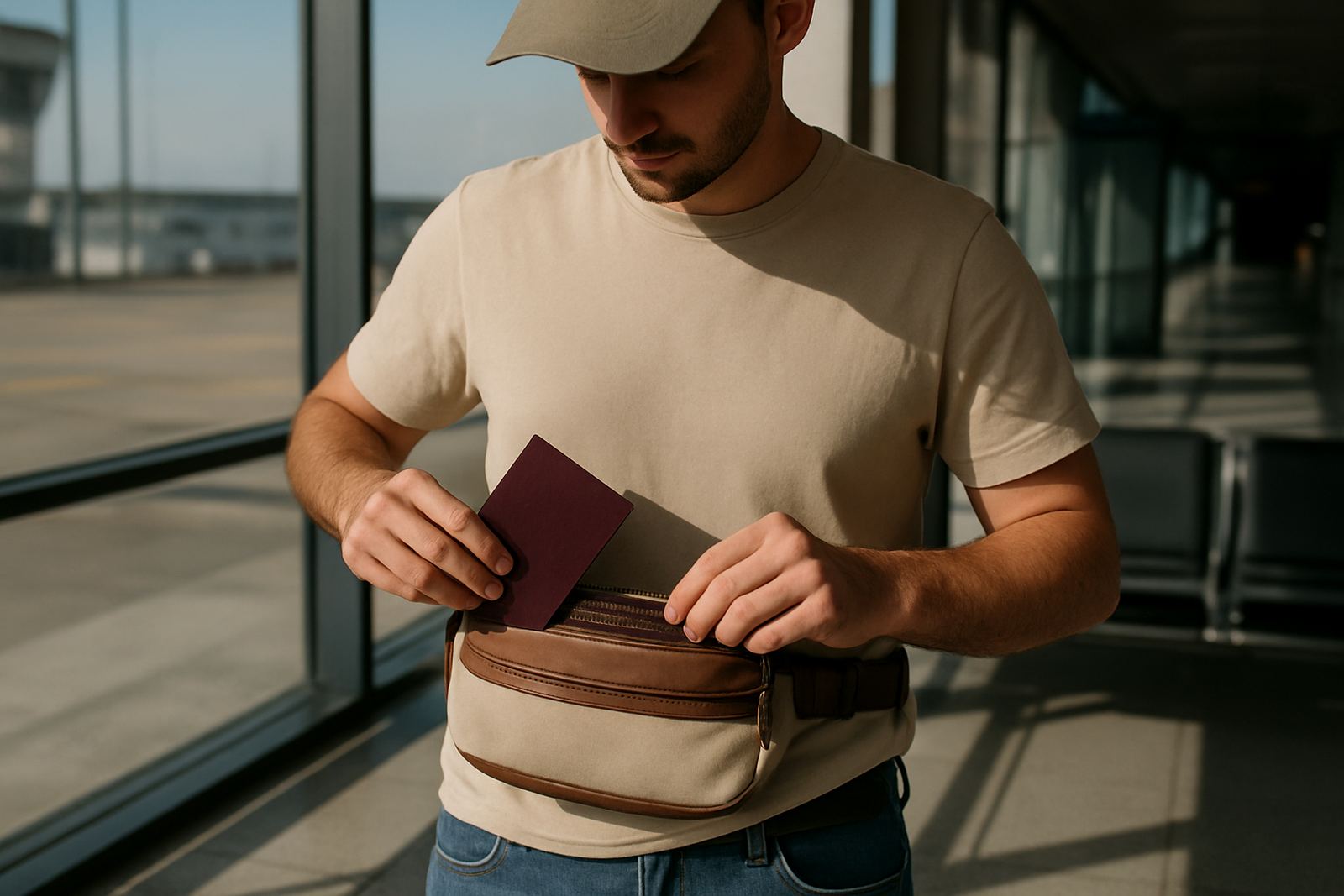
- Choose a secure zip if you travel often
- Choose an easy-clean finish for busy days
What to leave out so the bag stays comfortable
It is tempting to use one bag for everything, but that usually makes daily carry clumsy. Heavy water bottles, full makeup kits, spare shoes, and thick notebooks belong elsewhere unless you really need them on the move. A belt bag works best when it stays light enough to wear for hours without pulling at your shoulder or waist.
A useful test is simple: if you have not used an item in the last three days, it may not need to live in your daily bag. Keep that item in your car, work bag, or home storage instead. This is especially helpful for people who commute from Somerset West into Cape Town or move across longer routes where comfort and access both matter.
Another good habit is to empty the bag once a week. Check receipts, loose change, old wrappers, and spare bits that build up without you noticing. A quick sort takes only a few minutes and keeps the bag from becoming heavier than it should be. It also helps you spot wear early, like a tired zip or stitching that needs attention.
A simple daily carry setup for Cape Town mornings
A practical Cape Town example is the weekday routine from Woodstock into town or across to the Southern Suburbs. Start with phone, wallet, keys, a transit card, and charger cable. Add a small sanitiser, lip balm, and maybe a light snack if your day runs long. Keep the phone and card in the easiest pocket, because those are the things you will reach for first at coffee stops, parking machines, or security counters.
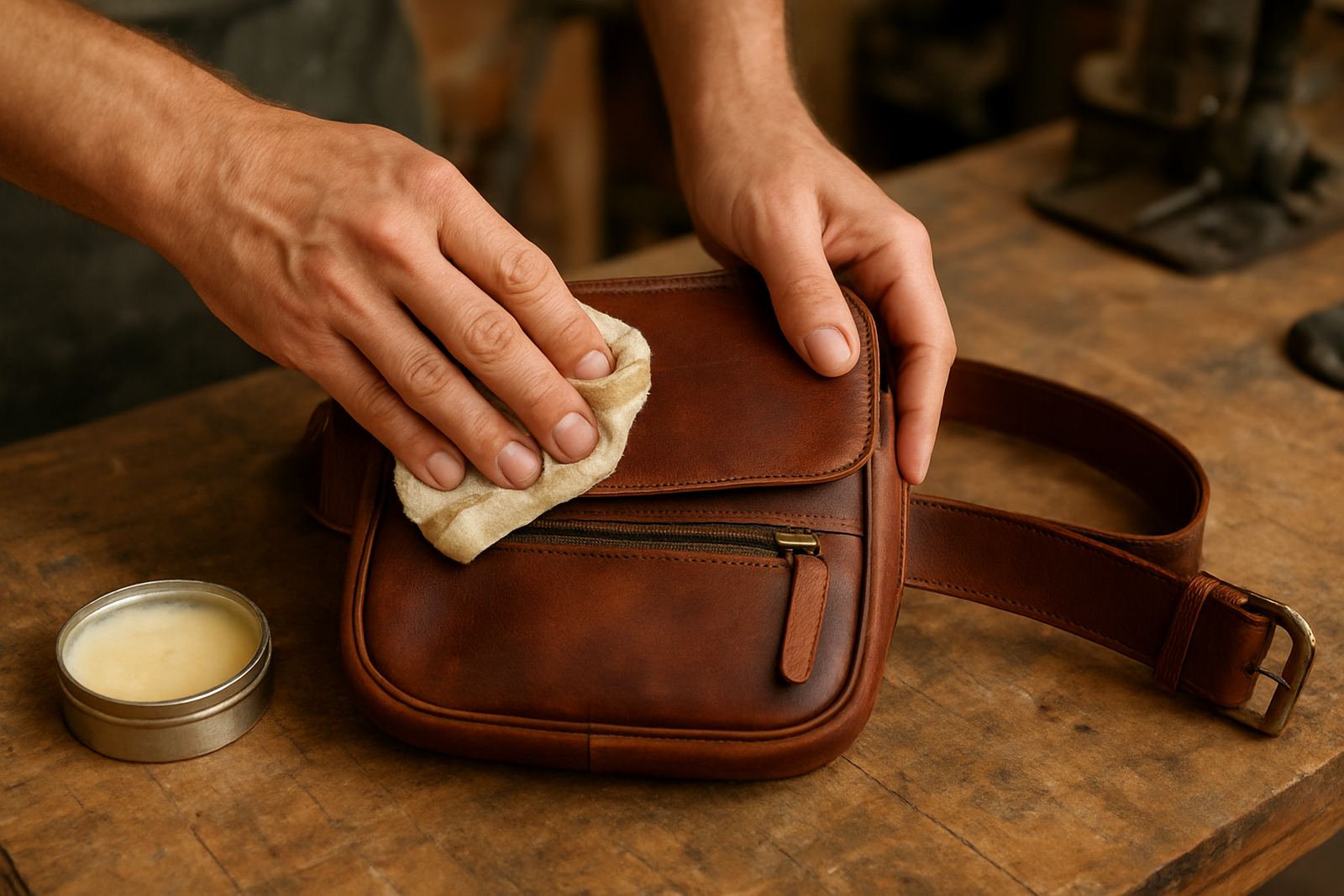
If you are carrying a leather bag, wipe off dust after a dry day and let it air out if it gets damp. If it is canvas, shake out sand or crumbs before packing it away. Store it flat when not in use so it keeps its shape. These small habits make the bag last longer and keep it looking tidy, which matters if you use the same piece for work and weekend plans.
In the end, daily carry is about making ordinary movement easier. Once the layout works, you stop thinking about the bag and focus on the day. That is the point.