
Start With the Things You Reach For Most
The easiest way to organise small items is to sort them by how often you use them. Keep the things you need many times a day in the most accessible pocket, then move the less urgent items into deeper sections. That simple habit saves time and stops you emptying a bag every time you need one item.
Think about your daily routine first. A person using a belt bag for school runs in Cape Town will need different items from someone using it for a weekend market in Durban or a flight to Gqeberha. Once you know what must stay close at hand, the rest becomes easier to arrange.
Try grouping by purpose rather than by size. Cards and cash can stay together, grooming bits together, and tech bits together. It sounds basic but it works, especially when you are moving fast or packing in the dark during load-shedding.
- Keep your most used items in the front pocket or outer zip.
- Put small loose items in a zip pouch instead of dropping them in bare.
- Reserve one section for travel only, so it is easier to repack next time.
Use Pockets as Categories, Not Just Storage
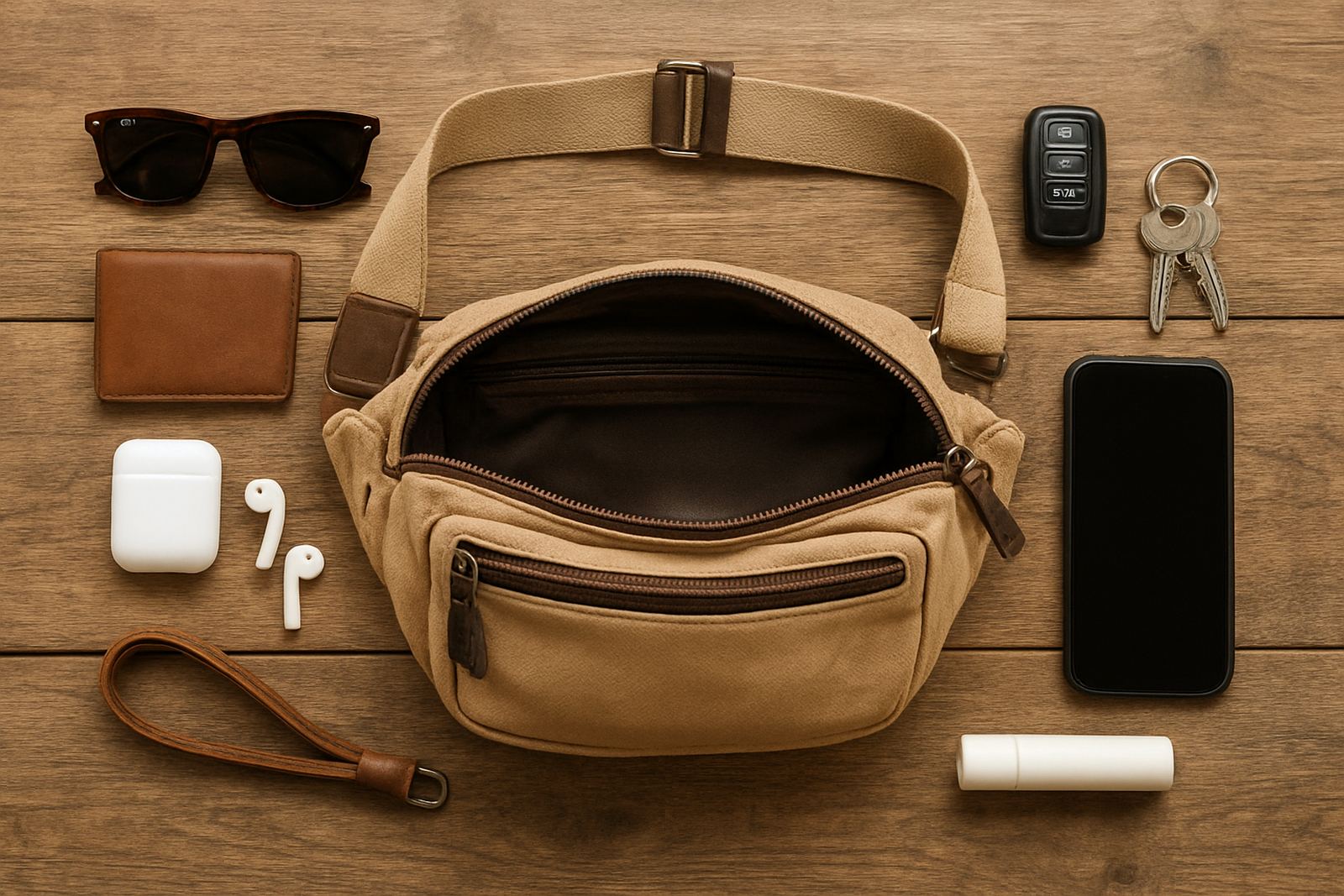
A good bag does more than carry things. It gives each item a place. If your belt bag has more than one compartment, give each pocket a job and keep it that way. You do not want your house keys sharing space with coins, or your earphones tangling with receipts.
In practical terms, that means one pocket for payment items, one for personal care, and one for extras you may not need until later. This keeps your hands on the right thing faster, which matters when you are boarding a taxi, standing in a queue, or walking through a busy event gate.
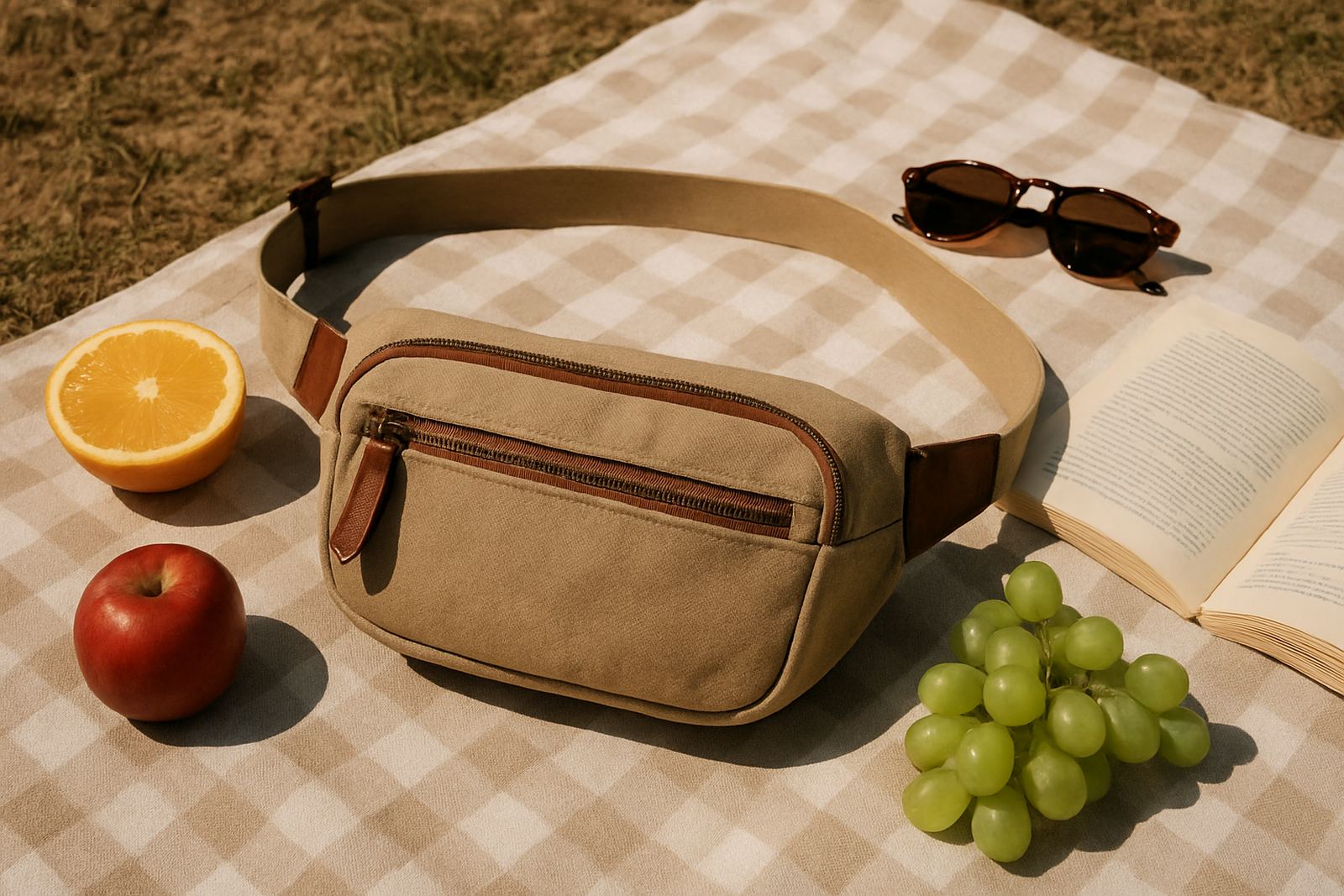
For leather bags, avoid overfilling a pocket because it can press the shape out over time. For canvas bags, the fabric is forgiving but it still helps to keep weight balanced. A bit of order makes the bag feel lighter and easier to wear.
- Front pocket: cards, bank notes, ticket or ID.
- Main section: phone, small charger, tissues, sunglasses.
- Inner zip: cash reserve, spare key, medication if needed.
Choose Small Containers That Fit the Bag
Loose items stay neater when they go into small containers first. A slim pouch, coin purse or soft sleeve can turn a cluttered pocket into a tidy system. The goal is not to pack more, it is to make what you already carry easier to use.
Choose containers that suit the bag size. A belt bag should still close comfortably without forcing the zip. If the pouch is too bulky, it creates lumps and makes the bag awkward against the body. That can be uncomfortable on a hot day, especially in summer when you are moving between sun and shade.
Good small containers also help with mixed items. Instead of having loose lip balm, plasters, loose change and a USB cable rolling around together, keep each type together. You will find things quicker and the inside of the bag stays cleaner.
- Use a slim pouch for loose coins and notes.
- Keep charging cables coiled and secured with a tie.
- Store small personal items in a pouch with a clear purpose.
Balance the Load So the Bag Sits Properly
Organisation is not only about finding things. It also affects comfort. When one side of the bag carries all the weight, the strap can twist and the bag may swing more than it should. That gets annoying when you are walking through town, sitting in a car, or moving between events.
Place heavier items closer to the centre of the bag and lighter items toward the outer sections. If you carry a phone, wallet and small charger, do not stack everything in one corner. Spread the weight so the bag sits flatter against the body and the zip opens more cleanly.
For anyone travelling between Cape Town, Pretoria or Johannesburg, this matters on long days out. A well-balanced belt bag is easier to wear from morning to evening, and it is less likely to dig into your waist or hip. Small adjustments can make a big difference.
Keep Weather and Fabric in Mind
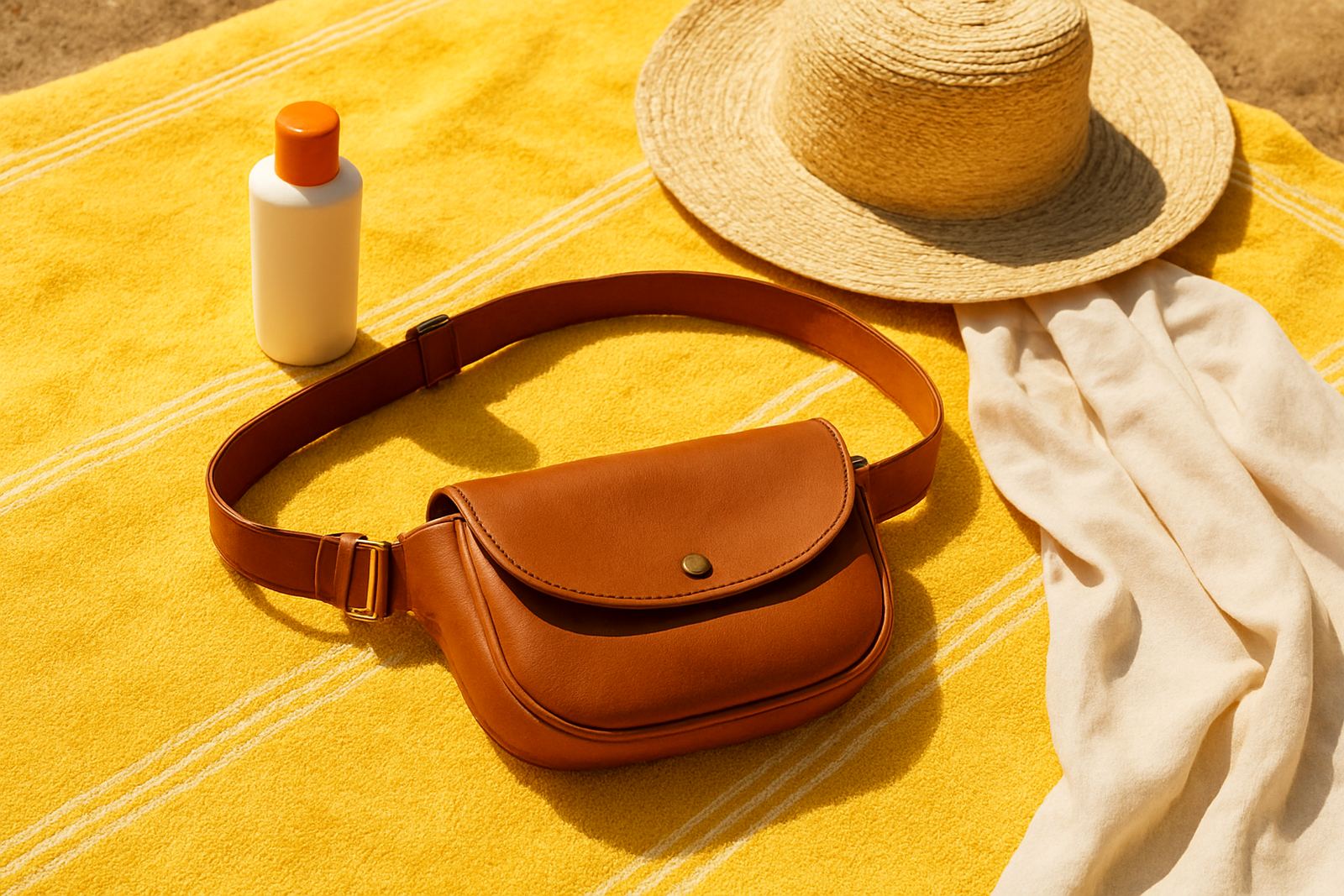
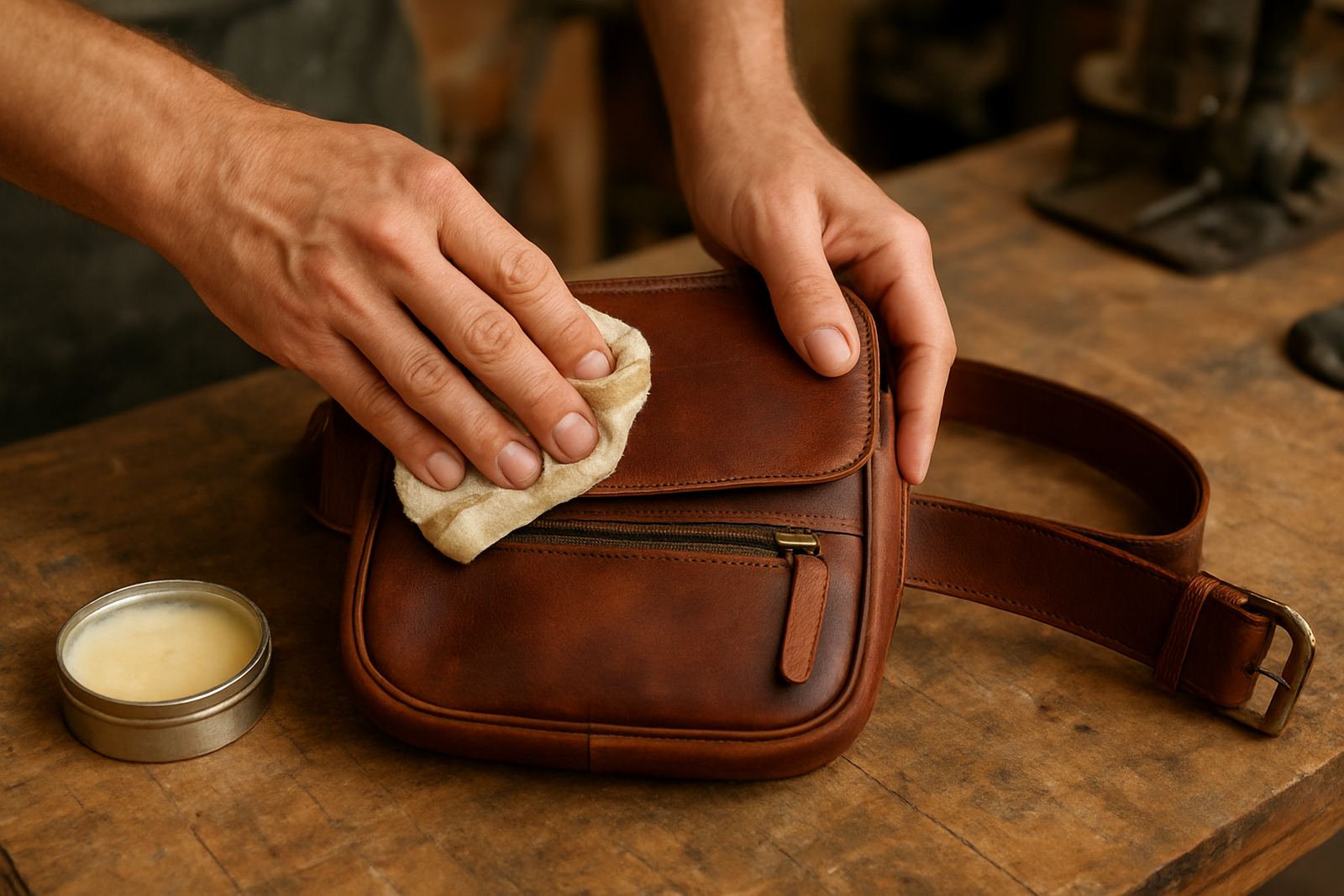
South African weather can be tough on small items. Coastal humidity in places like Durban and Gqeberha can affect leather if it is left damp or packed with moisture, while canvas can pick up dust and marks on dry days. A little care goes a long way.
If your bag gets wet, empty it as soon as you can and let the contents dry separately. Do not leave damp tissues, wet wipes or sunscreen caps inside for long periods. That can affect the inside lining and make the bag smell musty. In summer, a small cloth or sleeve can also protect items like sunglasses and screens from scratches.
Seasonal use matters too. In festival season you may need sunscreen, lip balm, cash and a ticket. For everyday carry, it might just be cards, keys and a phone. Pack only what suits the day instead of carrying everything just in case.
- Wipe off sand or dust after beach days and outdoor events.
- Let leather air dry naturally, away from direct heat.
- Check zips and seams after heavy use so small problems do not grow.
Make a Quick Reset Habit After Each Day
The easiest way to stay organised is to reset the bag after use. Empty out old receipts, snack wrappers and random bits before they build up. If you wait too long, the bag slowly turns into a catch-all and finding anything becomes harder.
A one-minute reset is usually enough. Put each item back in its proper pocket, check that the zip runs properly, and make sure your daily essentials are ready for the next outing. This is especially useful before travel or a busy workday, when you do not want to be hunting for a card or charger at the last moment.
For families, students and regular commuters alike, this habit keeps the bag working as it should. It is a small routine but it saves time and stress. Once it becomes second nature, you will notice how much smoother each day feels.
When a Good System Makes the Difference
Organising small items is not about being strict. It is about making everyday carry simpler and more practical. When each item has a place, you spend less time searching and more time getting on with your day. That matters whether you are in Woodstock, heading to Stellenbosch for the weekend, or travelling across the country for work.
If you are choosing a belt bag for festivals, travel or daily use, look for one that suits the way you move and the items you carry. The right pocket layout, strap fit and material can make everyday organisation much easier. A bag that works with your routine will always feel better than one that fights it.
At BeltBags, our team helps with style selection, strap fit advice, delivery options and care guidance so you can choose a bag that suits how you actually use it. Small details matter and the best system is usually the one you will keep using.