
Start With the Items You Reach For Most
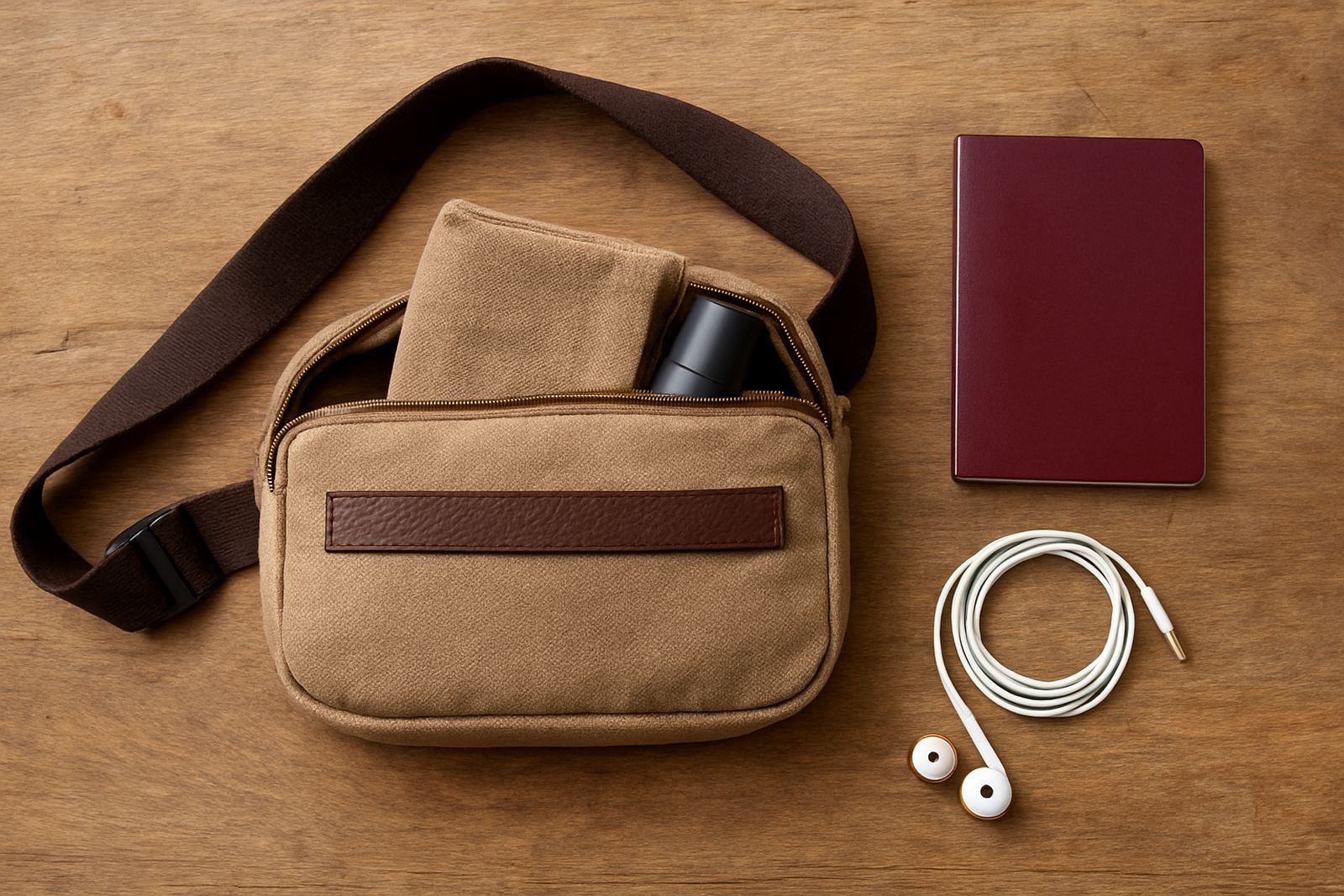
The smartest commuter carry begins with a short list. If you use the same few items every day, there is no need to pack a bag like you are heading away for a weekend. Keep the core set simple: phone, bank card, transport card, keys, lip balm, and one small payment backup. If you carry medication or a compact charger, make those part of the daily load too, but only if they are truly needed.
A belt bag works best when the main compartment is not overfilled. Once it bulges, zips catch, straps sit awkwardly and the bag starts shifting at the worst time. A good rule is to leave a little space for one extra item, maybe a receipt or parking ticket, and stop there.
- Keep card items flat and in one sleeve or inner pocket
- Use a small loop or clip for keys so they do not scratch your phone
- Carry only one or two loose items, not a pile of small bits
- Remove old receipts and wrappers every evening
Choose a Shape That Matches Your Route
Commuting in Woodstock, Cape Town is different from a long day moving between taxis, trains and meetings in Johannesburg or Durban. If you walk a fair distance, you need a bag that sits close to the body and does not swing about. If you often change from car to office to lunch stop, an easier-access zip opening matters more than extra space.
For travel-heavy days, a compact leather belt bag gives structure and keeps its shape. Canvas works well too, especially if you want something lighter for warm weather and quick movement. The useful part is not the material on its own, but how the bag holds your things when you are standing on a platform, in a queue or moving through a busy street.
- Choose a low-profile shape for crowded trains and buses
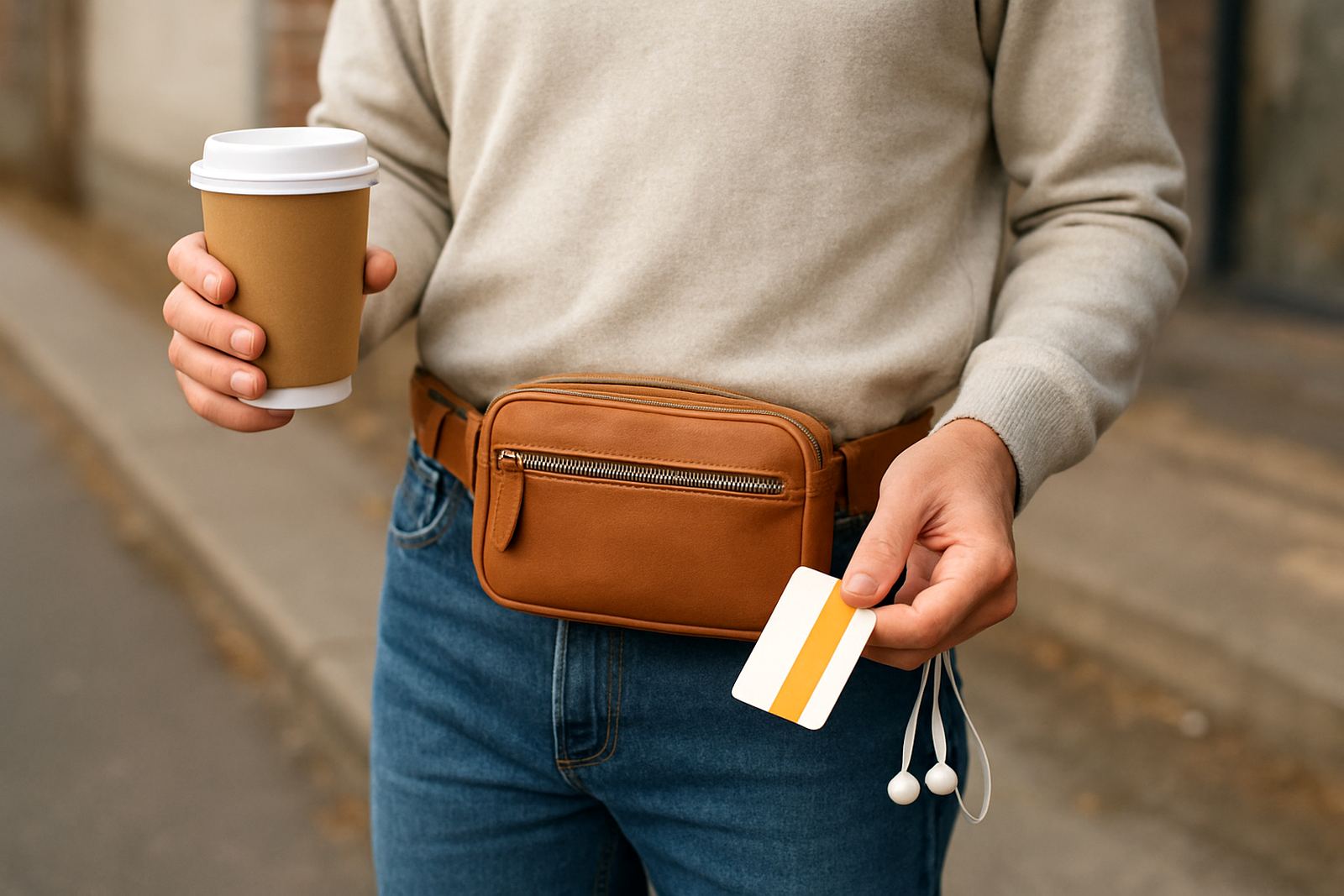
- Pick a wider opening if you need fast access to cards or tickets
- Look for a strap that adjusts easily over a jacket or shirt
- For coastal humidity, allow the bag to dry fully after a damp day
Pack by Frequency, Not by Mood
Many people overpack because they think they might need something later. That habit turns a neat commuter bag into a clutter trap. A better method is to pack by frequency. The top layer or outer pocket should hold what you use most often. The inner section should hold only the items that stay put until needed.
For example, your phone and transport card may need quick access, while a compact hand sanitiser, a small notepad, or medication can sit deeper in the bag. If you carry a charger, coil the cable neatly and secure it with a simple tie rather than letting it tangle with everything else. It sounds basic, but it saves time every single day.
- Outer pocket: cards, cash, tissues
- Main section: phone, keys, compact charger
- Inner slip pocket: medication, spare mask, small note
- Leave out anything you do not use in the next 24 hours
Fit Matters More Than Size
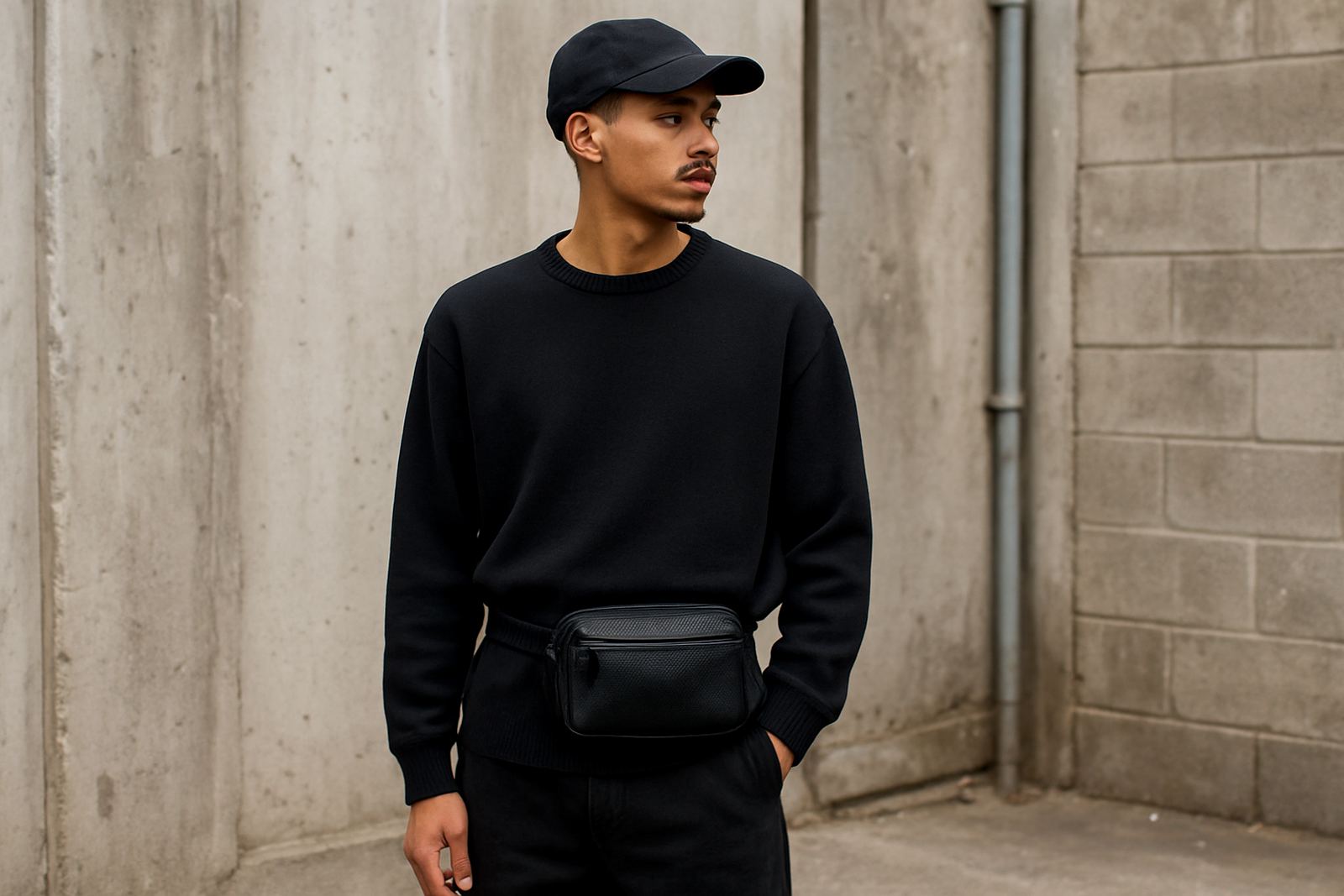
A commuter bag that is too large tends to move around and draw attention when you do not want it to. A bag that is too small becomes hard to close, which puts strain on zips and stitching. The right fit should feel snug without pressing into your body. You should be able to sit, stand and walk without adjusting it every few minutes.
Strap length is important too. If the strap is set too long, the bag hangs low and gets in the way when you are getting in and out of a vehicle. If it is too short, it rides up and feels awkward across the chest or waist. The best fit allows one easy hand to slide under the strap and still keeps the bag secure.
If the bag will be used every day, check the stitching around the strap points and the main zip once a week. A small loose thread today can become a broken seam next month, so it pays to catch it early.
Keep the Bag Ready for Weather and Load-Shedding Days
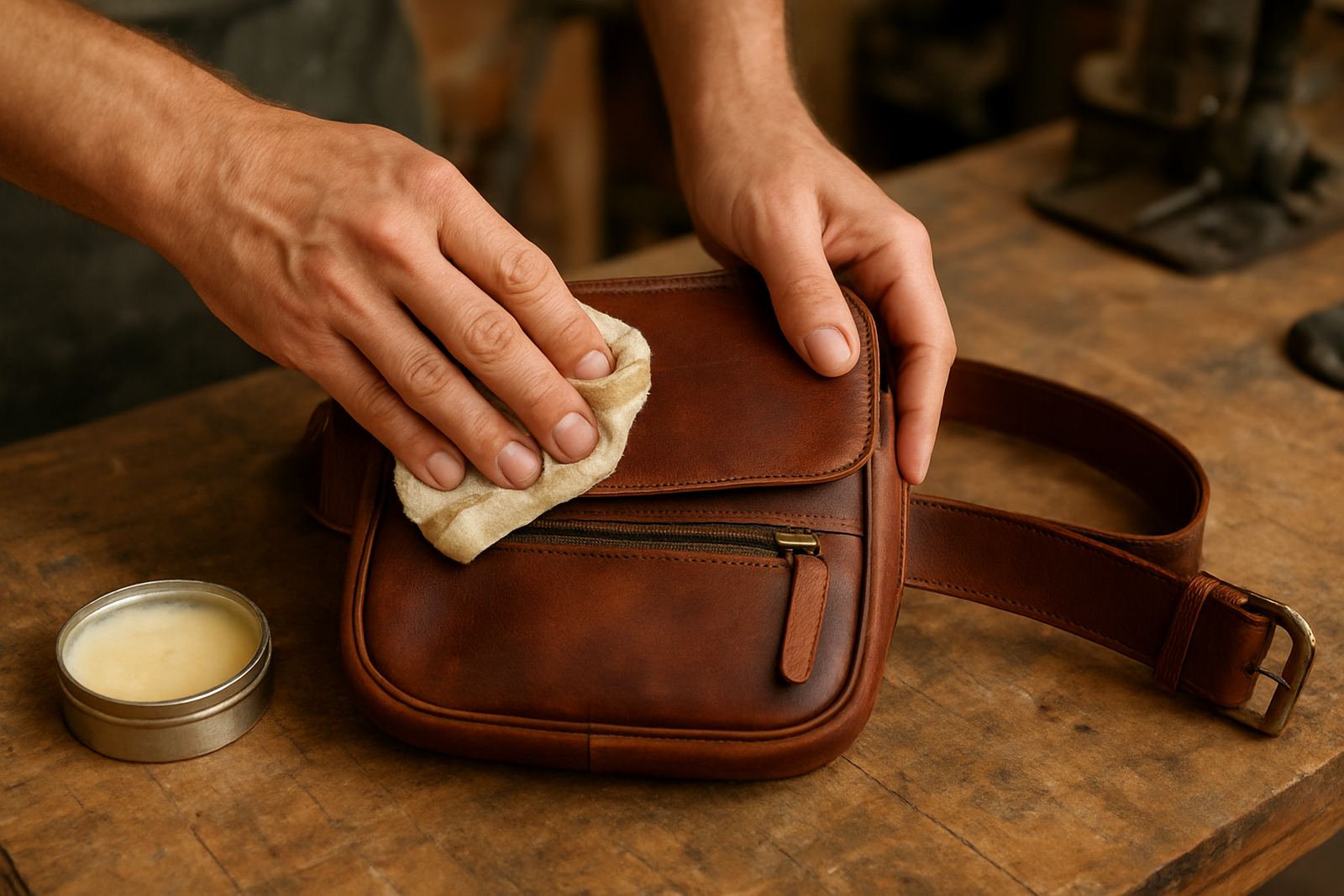
South African commuting often means changing conditions in one day. A cold morning in Pretoria, a warm lunch hour in Cape Town, then a damp evening in Gqeberha can all affect what you carry. If rain is likely, keep the most important items in a small inner pouch or zip pocket. For leather bags, wipe off moisture as soon as you get home and let the bag dry naturally, away from direct heat.
Load-shedding also changes the way people travel and plan. A compact power bank, a small torch or a folded backup charger can make a big difference, but only if you actually keep them charged and easy to find. The aim is not to pack for every possible event, it is to stay practical when the day shifts unexpectedly.
- Use a small inner pouch for cards and cash on wet days
- Dry canvas bags fully before storing them
- Keep one charged power bank ready if you rely on mobile maps or tickets
- Check that zips still move smoothly after dusty or rainy trips
A Local Example: From Woodstock to the CBD
Picture a person leaving Woodstock for a meeting in the Cape Town CBD. They need a phone, card, keys, parking slip and a compact charger, but not much else. A belt bag keeps those things together while they move between a MyCiTi stop, a coffee shop and an office foyer. There is no need to open a larger bag three times just to find one card.
That same setup works for a market day in Stellenbosch, a family visit in Somerset West, or a festival trip anywhere along the coast. The point is to carry light, keep things sorted, and avoid the usual scramble at the bottom of a bag. Once the routine is set, the bag becomes part of the day instead of another thing to manage.
For people who want help choosing the right style, checking strap fit, or sorting out leather and canvas care, there are practical support options available through our contact page enquiry form. That includes order tracking help, delivery options help, gift order support, returns guidance and bulk order help when needed.